
Sensitive Skin Moisturiser Finder
Not sure which product is right for you? Answer three quick questions to get a personalized recommendation based on dermatological principles.
Product Name
$0 - $0Recommendation reason goes here.
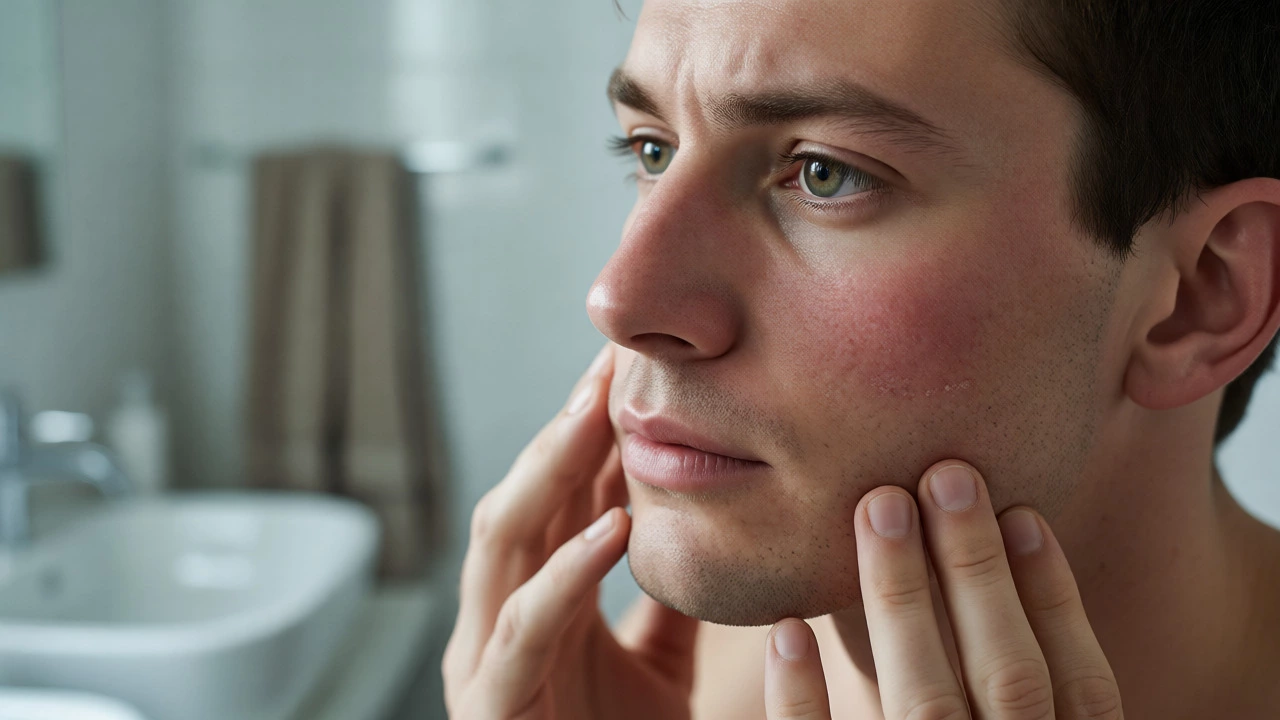
You shave. You sweat. You expose your face to wind, sun, and harsh office air conditioning. Yet, most men skip the one step that keeps their complexion from looking tired or irritated: moisturising. If you have sensitive skin, this step feels like a gamble. One wrong ingredient and your cheeks burn, red patches appear, or that tight, dry feeling refuses to leave. It is not just about vanity; it is about comfort and maintaining a composed appearance in professional settings.
Finding the right product is less about brand prestige and more about understanding what your skin actually needs. Your skin barrier-the outermost layer that holds moisture in and irritants out-is likely compromised. When this barrier is weak, everything stings. Alcohol-based aftershaves, fragrant colognes, and even standard "men's" lotions packed with menthol can feel like sandpaper on raw nerves. The solution isn't to do more; it is to do less, but better. We need products that respect the skin's natural pH, avoid common triggers, and deliver hydration without clogging pores.
Understanding Sensitive Skin in Men
Men’s skin differs biologically from women’s. It is roughly 20% thicker, has larger pores, and produces more sebum (oil) due to higher testosterone levels. However, shaving daily creates micro-tears in the epidermis, leaving the skin vulnerable. For those with sensitivity, this vulnerability turns into chronic inflammation. Common culprits include fragrance, alcohol denat, and certain preservatives like parabens or methylisothiazolinone.
The goal here is barrier repair. Think of your skin as a brick wall. The bricks are your skin cells, and the mortar is lipids (fats) like ceramides, cholesterol, and fatty acids. When the mortar cracks, water escapes (transepidermal water loss), and irritants enter. A good moisturiser doesn't just sit on top; it helps rebuild that mortar. If you are experiencing persistent redness, itching, or flaking, you are dealing with a compromised barrier, not just "dry skin." Treating it requires patience and specific ingredients.
Key Ingredients to Seek Out
When scanning labels, ignore the marketing fluff. Look for these three categories of ingredients. They are the workhorses of gentle skincare.
- Ceramides: These are naturally occurring lipids in your skin. Applying them externally helps restore the protective barrier. Brands like CeraVe use patented MVE technology to release ceramides slowly throughout the day, which is ideal for long workdays.
- Hyaluronic Acid: Often misunderstood as an acid that exfoliates, this is actually a humectant. It draws moisture from the environment into the skin. It is lightweight, non-greasy, and rarely causes irritation. Look for sodium hyaluronate, a smaller molecule that penetrates deeper.
- Niacinamide (Vitamin B3): This multitasker reduces inflammation, regulates oil production, and strengthens the skin barrier. It is particularly effective for men who struggle with both sensitivity and occasional breakouts.
Avoid products listing "fragrance" or "parfum" high up on the ingredient list. Even "natural" fragrances from essential oils can be potent allergens. If you want a scent, choose a subtle, unscented moisturiser and apply your cologne to your pulse points, not directly onto your face.
Top Recommendations for Different Needs
There is no single "best" moisturiser because skin types vary. Below are four standout options that consistently perform well for men with reactive skin. Each serves a slightly different purpose depending on your climate and routine.
| Product | Best For | Key Ingredients | Texture/Finish | Price Range |
|---|---|---|---|---|
| CeraVe Daily Moisturising Lotion | Budget-conscious & Basic Care | Ceramides, Hyaluronic Acid | Lightweight, Non-greasy | $15 - $20 |
| La Roche-Posay Toleriane Double Repair Face Moisturizer | Post-Shave & Redness Relief | Prebiotic Thermal Water, Ceramides, Niacinamide | Mattifying, Absorbs quickly | $20 - $25 |
| Kiehl's Ultra Facial Cream | Dry Climates & Cold Weather | Squalane, Glacial Glycoprotein | Rich, Hydrating | $30 - $40 |
| Vanicream Moisturizing Cream | Extreme Sensitivity & Eczema | Ceramides, Petrolatum-free base | Thick, Occlusive | $10 - $15 |
CeraVe remains the gold standard for accessible, science-backed skincare. Developed with dermatologists, it lacks fragrance and uses a slow-release system to keep skin hydrated for 24 hours. It is unassuming, efficient, and perfect for the man who wants results without fuss.
La Roche-Posay takes it a step further for those dealing with post-shave irritation. The inclusion of niacinamide helps calm visible redness, while the prebiotic thermal water supports the skin microbiome. It absorbs rapidly, making it suitable for morning application before dressing. You won’t find yourself wiping excess lotion off your collar later.
If you live in a colder climate or have naturally drier skin, Kiehl's Ultra Facial Cream offers heavier protection. Despite its rich texture, it does not feel heavy or oily. It provides a protective shield against windburn and low humidity, common issues in offices with aggressive HVAC systems. It is a luxury option that pays for itself in comfort during winter months.
For the most severe cases, where almost anything causes a reaction, Vanicream is the safe harbour. It is formulated to exclude over 20 common irritants. While it may feel thicker initially, it is exceptionally effective at locking in moisture. Many dermatologists recommend it for patients undergoing treatments like retinol or chemical peels.
The Routine: Less Is More
Complexity breeds confusion. For sensitive skin, a three-step routine is sufficient. Morning and evening routines should differ slightly based on exposure.
- Cleanse Gently: Use a hydrating cleanser, not a foaming soap. Bar soaps often strip natural oils, raising the skin’s pH and causing tightness. Look for a cream-to-lather formula. Wash with lukewarm water-hot water dissolves skin lipids and exacerbates sensitivity.
- Apply Moisturiser to Damp Skin: This is a crucial trick. Apply your moisturiser within 60 seconds of patting your face dry. Trapping that surface water with the cream enhances absorption and efficacy. Massage gently upward and outward. Do not rub aggressively; treat your face like fine silk, not denim.
- Protect During the Day: UV rays degrade collagen and trigger inflammation. If your daytime moisturiser does not contain SPF 30 or higher, add a separate sunscreen. Mineral sunscreens (zinc oxide or titanium dioxide) are generally better tolerated by sensitive skin than chemical filters, though modern chemical formulas are improving.
At night, you might skip the sunscreen and focus purely on repair. If you use active ingredients like retinol for anti-ageing, introduce them slowly. Start twice a week, always buffered by moisturiser. Never mix new actives with new moisturisers simultaneously; change one variable at a time to identify triggers.

Pitfalls to Avoid
Many men make mistakes that sabotage their efforts. First, beware of "2-in-1" products. Shaving creams, aftershaves, and moisturisers combined often compromise quality for convenience. A dedicated moisturiser will always outperform a hybrid.
Second, check your laundry detergent. If your pillowcases smell strongly of perfume, that residue transfers to your face all night. Switch to a hypoallergenic, fragrance-free detergent. Third, consider your diet and stress levels. High sugar intake and chronic stress increase cortisol, which can thin the skin and impair healing. Skincare is topical, but skin health is systemic.
Finally, patch test. Before applying a new product to your entire face, dab a small amount behind your ear or on your inner forearm. Wait 24 hours. If there is no redness or itching, it is likely safe for facial use. This simple step saves weeks of discomfort.
Final Thoughts on Consistency
Skin care is not a sprint; it is a marathon. Results take time. Give any new moisturiser at least two to four weeks to show its true effect. Your skin cycle renews approximately every 28 days. Inconsistency is the enemy of progress. Keep the bottle on your sink counter, visible and accessible. Make it part of your morning ritual, as automatic as brushing your teeth.
Choosing the best moisturiser for men with sensitive skin is an investment in daily comfort and long-term resilience. By prioritising barrier-repairing ingredients and avoiding known irritants, you protect your greatest asset: your face. It reflects your professionalism, your health, and your attention to detail. Treat it with the same respect you afford your wardrobe.
Can I use body lotion on my face?
Generally, no. Body lotions are formulated for thicker skin and often contain heavier occlusives or fragrances that can clog facial pores or cause irritation. Facial skin is thinner and more reactive. Always use a product specifically designed for the face.
How do I know if my skin is truly sensitive or just dry?
Dry skin lacks oil and feels tight/flaky. Sensitive skin reacts with redness, burning, itching, or rash when exposed to triggers. You can have both. If products sting immediately upon application, it is likely sensitivity or a compromised barrier.
Do I need moisturiser if I have oily skin?
Yes. Oily skin can still be dehydrated. Skipping moisturiser can signal your skin to produce even more oil to compensate for lost moisture. Choose a lightweight, gel-based, or oil-free moisturiser labelled "non-comedogenic" to avoid clogging pores.
Is sunscreen necessary for sensitive skin?
Absolutely. Sun damage worsens sensitivity and accelerates ageing. Opt for mineral sunscreens containing zinc oxide or titanium dioxide, as they sit on top of the skin rather than absorbing into it, reducing the risk of irritation compared to chemical filters.
How often should I replace my moisturiser?
Check the Period After Opening (PAO) symbol on the packaging, usually represented by an open jar icon with a number (e.g., 12M for 12 months). Using expired products can lead to bacterial growth and reduced efficacy. Discard if the texture or smell changes.