

Savings & Debt Calculator
True financial freedom isn’t about winning the lottery or landing a six-figure bonus. It’s built quietly, day by day, through habits so simple they’re easy to ignore - until they’re the only thing standing between you and peace of mind. The most successful men I know don’t talk about their investments. They don’t post about their portfolios. They simply live by a few quiet rules that compound over time. Here’s how to build those habits - not for show, but for substance.
Live Below Your Means - Even When You Can Afford More
There’s a myth that wealth is about spending power. It’s not. Wealth is about choice. The man who can walk away from a job, delay a purchase, or take a year off to travel isn’t rich because he earns more. He’s rich because he spends less than he earns - consistently. This isn’t about deprivation. It’s about alignment. If your lifestyle grows with your income, you’ll always be one paycheque away from stress.
Start by tracking your spending for one month. Not to guilt yourself, but to see where your money flows. You might be surprised how much vanishes into subscriptions you forgot, dinners out you didn’t enjoy, or impulse buys that left no trace. Once you see it, you can redirect it. Aim to save at least 20% of your income. If you’re earning £50,000, that’s £10,000 a year. That’s not a sacrifice. That’s a foundation.
Automate Your Savings - Remove the Decision
Willpower is fragile. Relying on it to save is like expecting a man to stay fit by hoping he’ll feel like going to the gym. The best systems don’t ask for motivation. They make action inevitable.
Set up two automatic transfers the day after each payday. One goes into a high-yield savings account - your emergency fund. The other goes into a low-cost index fund. Don’t touch them. Don’t check them daily. Just let them grow. In the UK, platforms like Vanguard or Nutmeg offer simple, low-fee options. You don’t need to pick stocks. You don’t need to time the market. You just need to keep putting money in. Compound interest doesn’t care how smart you are. It only cares that you show up.
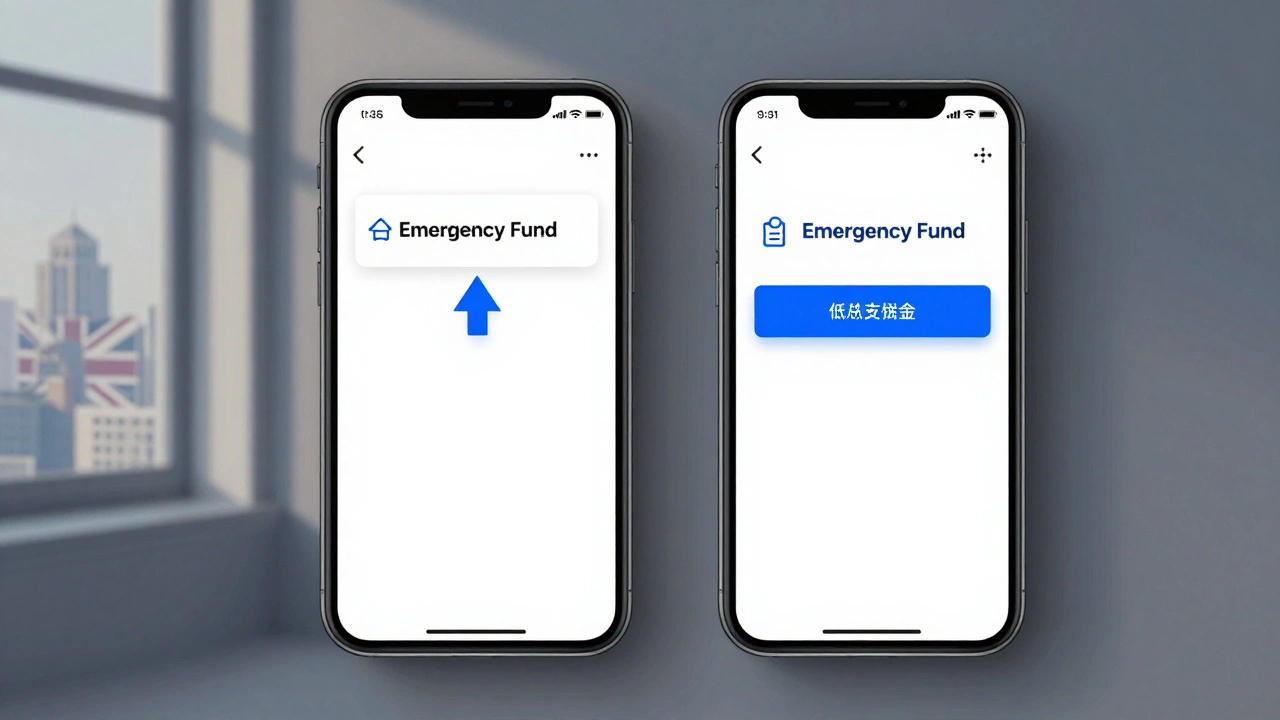
Build an Emergency Fund That Actually Works
An emergency fund isn’t a luxury. It’s your insurance against chaos. A sudden job loss. A broken boiler. A medical bill. Life doesn’t warn you. And when it hits, you’ll either scramble - or stay calm.
Start with £1,000. Just £1,000. That’s enough to cover a flat tyre or a missed rent payment without reaching for credit. Then, build to three months’ essential expenses. For most men in the UK, that’s between £6,000 and £12,000. Keep it in a separate account. Not a joint account. Not a savings account you can easily withdraw from. A dedicated, quiet place where temptation can’t reach.
When you hit that number, you’ll feel something rare: control. Not the kind that comes from a new watch or car. The kind that comes from knowing you can breathe, even when the world shakes.
Pay Off High-Interest Debt - Before You Invest
Too many men think they should invest while carrying credit card debt. That’s like trying to fill a bucket with a hole in the bottom. You’re pouring money in, but losing more.
If you owe 18% interest on a credit card, you’re losing £180 a year for every £1,000 you owe. No stock market return - not even the best - guarantees that. So, kill the debt first. Use the avalanche method: list your debts from highest to lowest interest rate. Pay the minimum on all, then throw every extra pound at the highest. Once it’s gone, move to the next. This isn’t glamorous. But it’s the fastest path to financial clarity.
And if you have student loans? In the UK, most are income-contingent. Pay them only if you can afford to - but don’t panic. They’re not the enemy. Credit card debt is.
Invest in Yourself - The Only Asset That Never Depreciates
The best investment you’ll ever make isn’t in property, gold, or cryptocurrency. It’s in your own ability to earn. A skill upgrade. A certification. A course in negotiation. A coach who helps you communicate better. These don’t just raise your income. They raise your confidence.
Think of it this way: if you’re earning £40,000 now, and you invest £2,000 in learning how to lead a team, and that leads to a £10,000 raise - you’ve turned £2,000 into £10,000 in one year. That’s a 400% return. No fund manager can promise that. And it’s yours forever.
Look at your calendar. What’s one skill you’ve been putting off? Book the course. Buy the book. Schedule the call. This isn’t vanity. It’s responsibility. A gentleman doesn’t wait for opportunity. He builds the competence to seize it.

Protect What You Have - Insurance Isn’t Optional
You don’t need a mansion. You don’t need a fleet of cars. But you do need protection. Life insurance. Critical illness cover. Income protection. These aren’t sales pitches. They’re safety nets.
At 35, a £250,000 term life policy costs less than £20 a month. At 45, it’s still under £40. That’s less than two pints a week. If you have a partner, children, or even a mortgage - this isn’t a luxury. It’s a duty. The same way you lock your doors, you protect your family’s future. Don’t wait until you’re diagnosed. Don’t wait until it’s too late. Do it now, while you’re healthy and able.
Review, Don’t Revise - Annual Financial Check-Ups
Financial health isn’t a one-time fix. It’s a rhythm. Once a year, set aside an hour. Not to obsess. Not to panic. Just to review.
- Are your savings still on track?
- Have your goals changed? (A new child? A career shift?)
- Are your insurance policies still adequate?
- Have your fees changed? (Are you still paying 1.5% on a fund that now charges 0.3%?)
That’s it. No need for spreadsheets. No need for apps. Just clarity. A gentleman doesn’t avoid numbers. He understands them - well enough to act, not to worry.
Final Thought: Wealth Is Quiet
The most financially secure men I know don’t flaunt. They don’t post about their ETFs. They don’t brag about their net worth. They’re the ones who take the train instead of the Uber. Who fix their own shoes. Who read the fine print. Who say no to unnecessary expenses - not because they can’t afford them, but because they’ve chosen what matters.
Financial health isn’t about being rich. It’s about being free. Free from anxiety. Free from dependency. Free to live on your own terms. These habits won’t make you rich overnight. But if you stick with them - quietly, consistently - they’ll give you something far more valuable: the certainty that you’re building a life that lasts.
How much should I save each month for long-term financial health?
Aim for at least 20% of your gross income. This includes savings, investments, and debt repayment. If you’re just starting, begin with 10% and increase by 1% every six months. The goal isn’t perfection - it’s progress. Consistency matters more than the exact percentage.
Is it better to pay off debt or invest first?
Always pay off high-interest debt (above 6%) before investing. Credit card debt, personal loans, and payday loans eat away at your wealth faster than any investment can build it. Once those are gone, focus on investing. Low-interest student loans in the UK can be managed alongside investing, since they’re tied to income and often have low real rates.
What’s the best way to start investing with little money?
Use a low-cost, automated platform like Vanguard LifeStrategy, Nutmeg, or Wealthfront. Start with £50 a month. Choose a global index fund that tracks the FTSE All-World or S&P 500. Don’t try to pick stocks. Don’t chase trends. Just keep contributing. Over 20 years, even small monthly amounts grow into substantial sums thanks to compound returns.
Do I need a financial advisor?
Not if you’re willing to learn. Most financial advisors charge 1% of your assets annually - which means for £100,000, you pay £1,000 a year. For most men, self-directed investing using low-cost index funds and simple rules (save 20%, automate, avoid debt) is more effective and cheaper. If you’re over £500,000 or have complex tax situations, then consider a fee-only advisor. Otherwise, educate yourself. Books like The Simple Path to Wealth by JL Collins are all you need.
How do I avoid lifestyle inflation?
Lifestyle inflation happens when your spending rises with your income. To avoid it, set a fixed savings rate - say 20% - and treat every raise as if it’s going into savings first. If you get a £5,000 raise, don’t upgrade your car or move to a bigger flat. Instead, increase your investment contributions. The extra money should go to your future, not your comfort. This is how wealth accumulates - not by spending more, but by spending less than you earn.