

Men's Supplement Routine Builder
Select your primary health focus areas below to generate a personalized supplement schedule based on the article's recommendations.
Why These Choices?
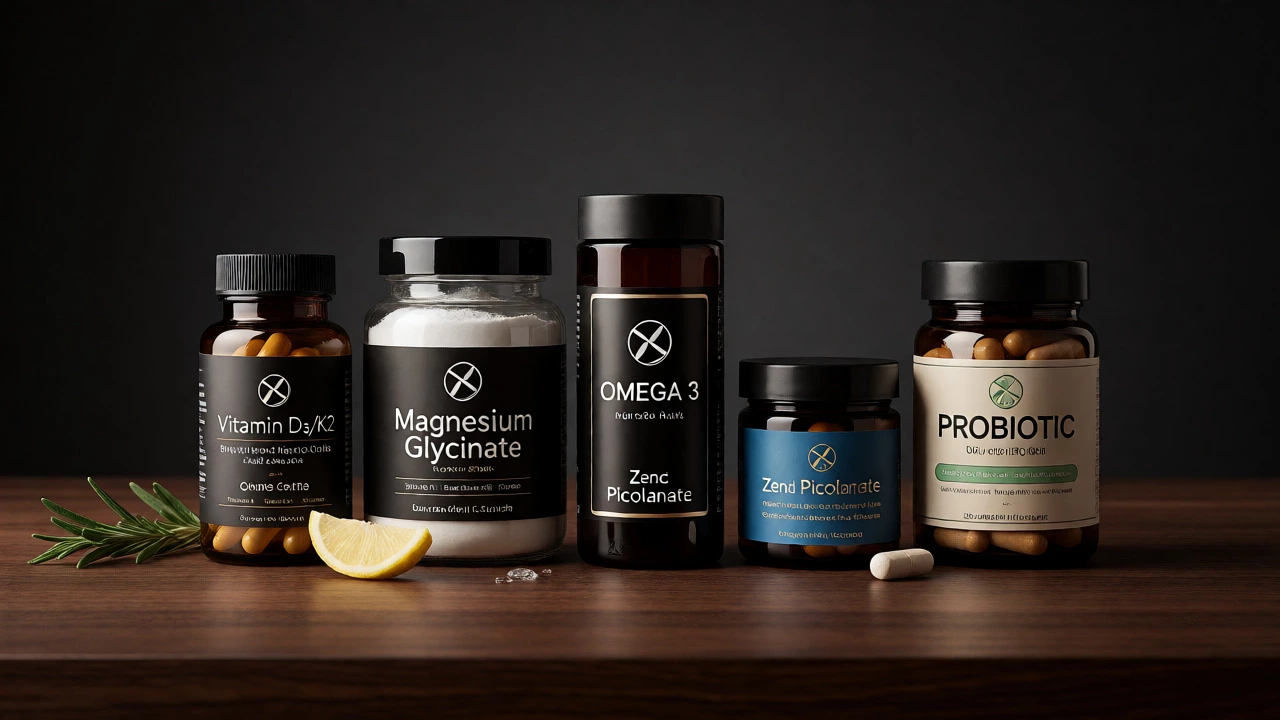
- Vitamin D3/K2: Essential for indoor workers; supports bones and immunity.
- Magnesium Glycinate: Best for sleep and stress; avoids digestive issues of oxide forms.
- Omega-3s: Critical for brain health and reducing inflammation.
- Zinc Picolinate: Supports testosterone and immune function; take away from calcium.
- Probiotics: Gut-brain axis support; consistency is key.
There is a quiet confidence that comes from knowing your body is operating at its peak. It isn’t about the aggressive pursuit of muscle mass or the frantic consumption of every new fad on the market. For the modern gentleman, health is a discipline of consistency and refinement. Yet, even with a balanced diet and regular exercise, gaps often remain. Soil depletion, modern stressors, and the simple demands of a busy career can leave nutritional deficits that impact focus, energy, and long-term vitality.
This guide cuts through the noise of the supplement industry. We are not here to sell you magic pills. Instead, we look at five foundational supplements that serve as insurance policies for your physiology. These are chosen for their broad applicability, strong scientific backing, and ability to support the specific needs of men aged 25 to 55. Think of them not as additions, but as corrections to the inevitable shortfalls of modern living.
The Foundation: Vitamin D3 and K2
If there is one nutrient most men are deficient in, it is Vitamin D. Often called a hormone rather than a vitamin, Vitamin D3 (cholecalciferol) plays a critical role in testosterone production, immune function, and bone density. The problem is straightforward: most professionals spend their days indoors, under artificial light, missing the UVB rays necessary for natural synthesis.
Taking Vitamin D alone, however, is an incomplete strategy. You need its partner, Vitamin K2. Without K2, calcium absorbed by Vitamin D may deposit in arteries rather than bones. This pairing ensures that the mineral strengthens your skeletal structure instead of contributing to cardiovascular stiffness. For a man concerned with longevity, this synergy is non-negotiable.
- Dosage: Typically 2,000-5,000 IU of D3 daily, paired with 100-200 mcg of K2 (MK-7 form).
- Timing: Take with a meal containing fat for better absorption.
- Why it matters: Supports mood stability, immune resilience, and hormonal balance.
The Relaxant: Magnesium Glycinate
Magnesium is involved in over 300 enzymatic reactions in the human body, yet it is notoriously difficult to obtain sufficient amounts from food alone. Modern soil quality has degraded, meaning even organic produce lacks the mineral density it held fifty years ago. For men, magnesium deficiency manifests subtly: poor sleep quality, heightened anxiety, muscle cramps, and a general sense of being "wired but tired."
Not all magnesium is created equal. Avoid oxide forms, which have poor bioavailability and often cause digestive distress. Instead, opt for Magnesium Glycinate. This chelated form binds magnesium to glycine, an amino acid that promotes relaxation. It crosses the blood-brain barrier efficiently, calming the nervous system without sedation. It is the antidote to the high-cortisol lifestyle many executives lead.
| Form | Bioavailability | Primary Benefit | Digestive Tolerance |
|---|---|---|---|
| Glycinate | High | Sleep & Anxiety Relief | Excellent |
| Citrate | Moderate | General Supplementation | Good (may loosen stool) |
| Oxide | Low | Constipation Relief | Poor |
| Threonate | High (Brain) | Cognitive Function | Excellent |
The Cognitive Fuel: Omega-3 Fatty Acids
Your brain is approximately 60% fat. The type of fat you consume directly influences cognitive clarity, mood regulation, and inflammatory response. Omega-3 Fatty Acids, specifically EPA and DHA found in fish oil, are essential for maintaining cell membrane integrity. Most men consume far too many Omega-6s (from vegetable oils and processed foods) and not enough Omega-3s, creating a pro-inflammatory state.
Quality is paramount here. Rancid fish oil is worse than no fish oil. Look for brands that provide third-party testing for heavy metals like mercury and lead. Triglyceride-form fish oils are generally better absorbed than ethyl ester forms. If you do not eat fatty fish like salmon or mackerel twice a week, supplementation is a prudent choice for heart health and mental sharpness.
The Hormonal Support: Zinc Picolinate
Zinc is the cornerstone of male reproductive health. It is vital for testosterone synthesis, sperm quality, and prostate health. Unlike some nutrients, zinc does not accumulate significantly in the body; it must be replenished regularly. Stress depletes zinc rapidly, making it crucial for men in high-pressure roles.
However, zinc competes with copper for absorption. Taking high doses of zinc alone over a long period can lead to a copper deficiency, which impacts energy levels. Choose Zinc Picolinate or Bisglycinate for better absorption. Ensure your multivitamin or standalone zinc supplement includes a small amount of copper to maintain equilibrium. Do not exceed 40mg per day unless advised by a healthcare professional, as excessive intake can suppress immunity.
The Gut Guardian: Probiotics
A healthy gut is the foundation of a healthy mind. The gut-brain axis means that microbial imbalance can lead to brain fog, irritability, and poor digestion. Antibiotics, alcohol, and stress disrupt the delicate ecosystem of the microbiome. Probiotics help restore diversity, aiding in nutrient absorption and immune defense.
You don't need a complex blend of thirty strains. Look for well-researched species like Lactobacillus rhamnosus or Bifidobacterium lactis. Consistency matters more than potency. Taking a probiotic daily helps maintain a resilient internal environment, reducing bloating and stabilizing energy levels throughout the afternoon slump.
How to Build Your Routine
Supplements should fit into your life seamlessly, not complicate it. Here is a simple framework for integrating these essentials:
- Morning: Take Vitamin D3/K2 and Omega-3s with breakfast. The fats in your meal aid absorption.
- Lunch: Take Zinc and Probiotics. Zinc is best taken away from calcium-rich foods.
- Evening: Take Magnesium Glycinate 30-60 minutes before bed to wind down the nervous system.
Remember, supplements are just that-supplementary. They cannot outwork a poor diet, lack of sleep, or chronic stress. Use them to fill the gaps, not to replace the foundation.
Do I really need to take supplements if I eat well?
Even with a perfect diet, environmental factors play a role. Vitamin D deficiency is widespread due to indoor lifestyles, and magnesium levels in soil have dropped significantly. Supplements act as an insurance policy against these unavoidable modern deficiencies.
Can I take all these supplements at once?
It is generally safe, but timing affects absorption. Fat-soluble vitamins (D, K, Omega-3) need dietary fat. Magnesium is best at night for sleep. Zinc can compete with other minerals, so spacing it out from calcium-heavy meals is wise. Always consult a doctor before starting a new regimen.
What is the difference between Vitamin D2 and D3?
Vitamin D3 (cholecalciferol) is the form your body produces naturally from sunlight and is significantly more effective at raising blood levels than D2 (ergocalciferol), which is plant-derived. For men seeking optimal hormonal and immune support, D3 is the superior choice.
How long until I notice effects?
This varies. Magnesium may improve sleep within days. Omega-3s and Vitamin D often require 8-12 weeks to saturate tissues and show measurable benefits in blood work or subjective well-being. Patience is key.
Are there side effects to taking too much Zinc?
Yes. Excessive zinc intake can interfere with copper absorption, leading to anemia and neurological issues. It can also cause nausea. Stick to recommended dosages (15-30mg) unless prescribed otherwise by a physician.