
Sleep Impact Calculator
Your Sleep Profile
Physiological Impact Analysis
Enter Data
Adjust the slider to see how your sleep affects your body.
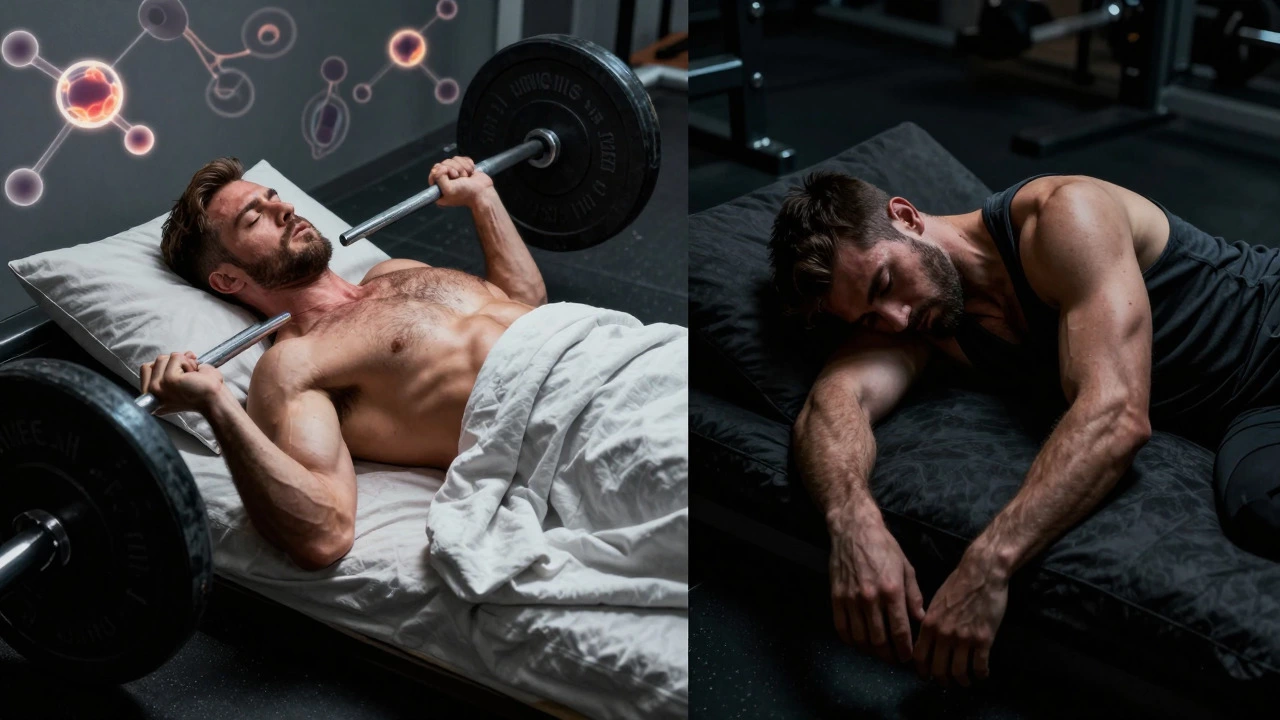
Consider the last time you felt truly sharp. Not just awake, but capable. Your reaction times were quick, your strength felt reliable, and your mind was clear enough to handle complexity without friction. Now consider the opposite: that heavy-headed feeling after a night of fragmented rest, where even lifting a coffee cup feels like an effort.
This isn't merely about feeling tired. It is about biological capability. For men, particularly those who value physical competence-whether in the gym, on the sports field, or simply in maintaining a robust constitution-sleep is not a passive state of rest. It is an active, physiological process that dictates physical performance. Without it, the body cannot repair itself, hormones fluctuate wildly, and cognitive function declines. In short, sleep is the foundation upon which all other aspects of health are built.
The Biological Cost of Sleep Deprivation
When we talk about sleep affecting men, we are often talking about two critical hormones: testosterone and cortisol. These chemicals act as the yin and yang of male physiology. Testosterone drives muscle growth, libido, energy, and confidence. Cortisol, the stress hormone, breaks down tissue and stores fat when elevated chronically.
Research has consistently shown that restricting sleep to five hours or less per night can reduce testosterone levels by up to 15%. To put that in perspective, losing 15% of your testosterone overnight is comparable to aging ten years biologically. Meanwhile, cortisol levels rise, putting the body in a catabolic state-meaning it starts breaking down muscle rather than building it.
If you are training hard but sleeping poorly, you are essentially working against your own biology. You might be hitting the weights with intensity, but your body lacks the hormonal environment required to adapt and grow. This explains why many men hit plateaus despite perfect nutrition and rigorous training schedules. The missing variable is almost always recovery.
Cognitive Function and Reaction Time
Physical performance is not limited to muscle mass. It includes coordination, balance, and reaction speed. A study published in the journal Sleep found that participants who slept only four hours a night showed significant impairments in motor skills and decision-making accuracy compared to those who slept eight hours.
Imagine driving a car. After one night of poor sleep, your reaction time slows by approximately 30%. That is similar to having a blood alcohol concentration of 0.1%, well above the legal limit in many jurisdictions. On the tennis court, in the boardroom during high-stakes negotiations, or even while navigating traffic, this delay can be costly. It leads to errors, missed opportunities, and increased risk of injury.
For the modern gentleman, mental acuity is as important as physical strength. Sleep deprivation shrinks the prefrontal cortex-the part of the brain responsible for executive function, impulse control, and strategic thinking. When this area is compromised, patience wanes, irritability rises, and the ability to remain composed under pressure diminishes.
Muscle Repair and Metabolic Health
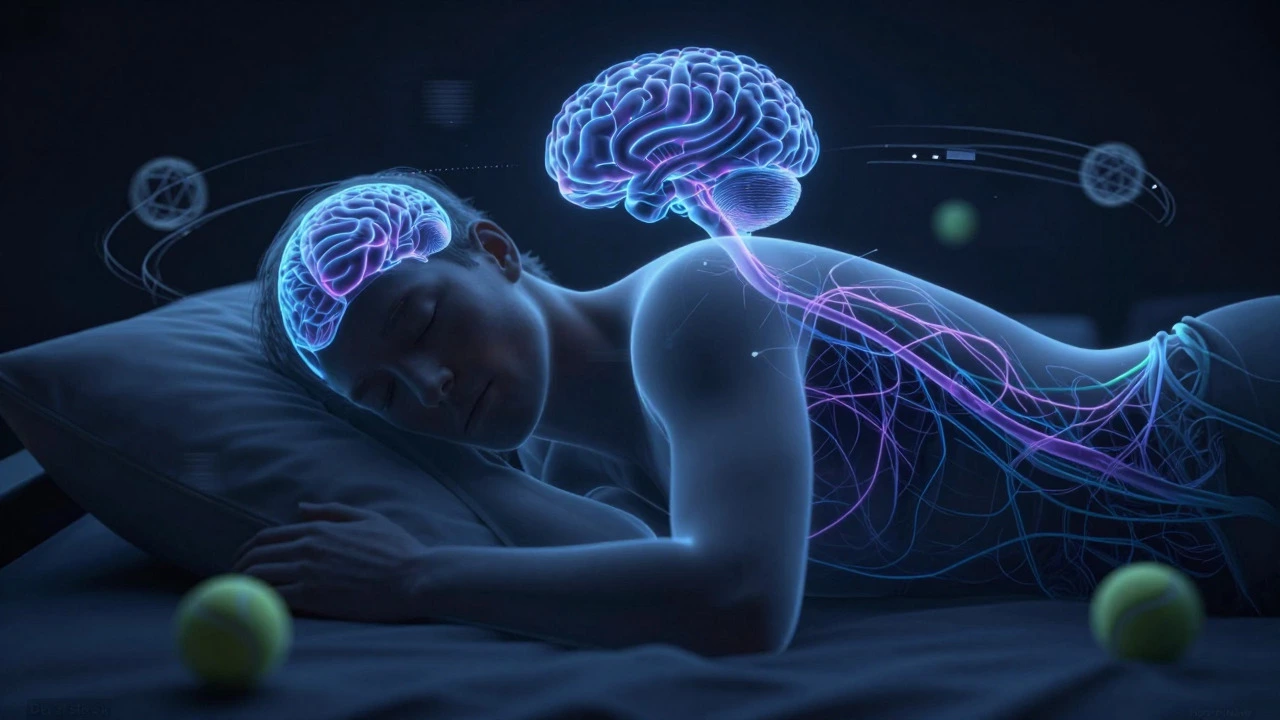
During deep sleep, specifically the slow-wave stage, the body releases growth hormone. This hormone is essential for repairing micro-tears in muscle fibers caused by exercise. Without adequate deep sleep, these repairs are incomplete. Over time, this leads to chronic inflammation, joint pain, and reduced endurance.
Metabolism also suffers. Lack of sleep disrupts the regulation of insulin sensitivity. When insulin resistance increases, the body struggles to process carbohydrates efficiently, leading to higher blood sugar levels and increased fat storage, particularly around the midsection. This is why "skinny fat" physiques are often linked to poor sleep habits rather than just dietary choices.
Furthermore, appetite regulation goes awry. Ghrelin (the hunger hormone) spikes, while leptin (the satiety hormone) drops. You crave high-calorie, sugary foods because your brain is seeking quick energy to combat fatigue. This creates a vicious cycle: poor sleep leads to poor diet, which leads to worse sleep quality.
| Parameter | 7-9 Hours (Optimal) | <6 Hours (Deficient) |
|---|---|---|
| Testosterone Levels | Stable/Optimal | Reduced by ~15% |
| Cortisol Levels | Balanced | Elevated/Stress Response |
| Muscle Recovery | Efficient Growth Hormone Release | Incomplete Repair/Inflammation |
| Reaction Time | Sharp/Fast | Slowed (~30% impairment) |
| Appetite Control | Regulated | Increased Cravings/Ghrelin Spike |
Strategies for Optimizing Sleep Quality
Knowing the stakes, how does one improve sleep? It requires discipline and environmental design. Here are practical steps grounded in science:
- Light Management: Exposure to bright light in the morning sets your circadian rhythm. Conversely, blue light from screens suppresses melatonin production. Aim to avoid phones and laptops at least one hour before bed. Consider using amber-tinted glasses if evening screen use is unavoidable.
- Temperature Control: The body needs to drop its core temperature to initiate sleep. Keep your bedroom cool, ideally between 60-67°F (15-19°C). A warm shower before bed can help by drawing blood to the surface, allowing heat to escape and signaling the body to cool down internally.
- Consistency: Go to bed and wake up at the same time every day, even on weekends. This regularity reinforces your body's sleep-wake cycle, making it easier to fall asleep and wake up naturally.
- Caffeine Cutoff: Caffeine has a half-life of about five hours. Consuming coffee after 2 PM means half of that caffeine is still in your system at 7 PM, potentially disrupting deep sleep stages. Switch to herbal tea or water in the late afternoon.
- Alcohol Moderation: While alcohol may help you fall asleep faster, it severely fragments sleep architecture, reducing REM sleep and causing early morning awakenings. Limit intake to moderate levels and avoid drinking within three hours of bedtime.
The Role of Nutrition in Sleep Hygiene
What you eat directly impacts how you sleep. Heavy meals close to bedtime force the digestive system to work overtime, raising body temperature and causing discomfort. Aim to finish dinner at least three hours before sleep.
Certain nutrients support better sleep quality. Magnesium, found in leafy greens, nuts, and seeds, helps relax muscles and calm the nervous system. Tryptophan, an amino acid present in turkey, dairy, and cherries, is a precursor to serotonin and melatonin. A small snack containing complex carbohydrates and protein, such as Greek yogurt with berries, can aid in tryptophan absorption without spiking blood sugar.
Hydration is also key, but timing matters. Drink plenty of water throughout the day, but taper off in the evening to prevent nocturia (waking up to urinate), which interrupts sleep cycles.
Long-Term Implications for Men’s Health
Chronic sleep deprivation is linked to serious long-term health issues, including cardiovascular disease, type 2 diabetes, and depression. For men, the impact on sexual health is also significant. Erectile dysfunction is frequently associated with poor sleep quality due to vascular and hormonal disruptions.
Moreover, emotional resilience suffers. Sleep-deprived individuals are more prone to anxiety and mood swings. In professional settings, this can manifest as poor leadership, lack of empathy, and decreased productivity. Investing in sleep is investing in your longevity, vitality, and character.
Think of sleep not as lost time, but as gained capacity. It is the silent partner in every achievement, the unseen architect of strength and clarity. By prioritizing rest, you honor your body’s need for renewal and position yourself to perform at your highest level.
How much sleep do men need for optimal physical performance?
Most adult men require between 7 to 9 hours of sleep per night. Athletes or those engaging in intense physical activity may benefit from the upper end of this range, or even slightly more, to facilitate muscle repair and hormonal balance.
Does napping help compensate for poor nighttime sleep?
Short naps (20-30 minutes) can provide a temporary boost in alertness and cognitive function. However, they do not fully replace the restorative benefits of full-night sleep, particularly regarding growth hormone release and memory consolidation. Long naps can also interfere with nighttime sleep onset.
Can supplements improve sleep quality for men?
Some supplements like magnesium, melatonin, and L-theanine may aid sleep onset and quality for certain individuals. However, they should complement, not replace, good sleep hygiene practices. Consult a healthcare provider before starting any new supplement regimen.
How does stress affect sleep and physical performance?
High stress elevates cortisol levels, which can make it difficult to fall asleep and stay asleep. Poor sleep then further increases stress, creating a negative feedback loop. Managing stress through mindfulness, exercise, and proper work-life balance is crucial for both sleep quality and physical performance.
Is it possible to build muscle with less than 7 hours of sleep?
While some muscle gain is possible, progress will be significantly slower and less efficient. Chronic sleep restriction impairs protein synthesis, reduces testosterone, and increases injury risk. Maximizing sleep duration and quality is essential for optimal hypertrophy and strength gains.