

Work-Life Harmony Calculator
Take the Assessment
Adjust the sliders above and click calculate to see your work-life harmony score.
It is a quiet crisis in modern masculinity. You check your email at 8 PM, then again at 10 PM, telling yourself you are just "clearing the deck" for tomorrow. Meanwhile, your partner sits across the table, scrolling through their phone, not out of disinterest, but because they have learned that your attention is a scarce resource. The ambition that drives your career-the very thing that defines your success-is slowly eroding the foundation of your personal life. This is not a failure of character; it is a failure of boundaries.
The goal is not to split your day into equal halves. That is a mathematical fantasy. The goal is integration. It is about bringing the same discipline, respect, and intentionality to your relationships that you bring to your boardroom meetings. When you master this, you do not just survive; you thrive in both spheres. Here is how to reclaim your time and deepen your connections without sacrificing your professional edge.
Redefining Success Beyond the Paycheck
We often confuse busyness with importance. In the corporate world, visibility is currency. But in your home, presence is currency. If you are physically present but mentally drafting a response to a client, you are absent. True work-life balance starts with a shift in mindset. You must view your relationship not as a distraction from your goals, but as the anchor that allows you to pursue them with clarity.
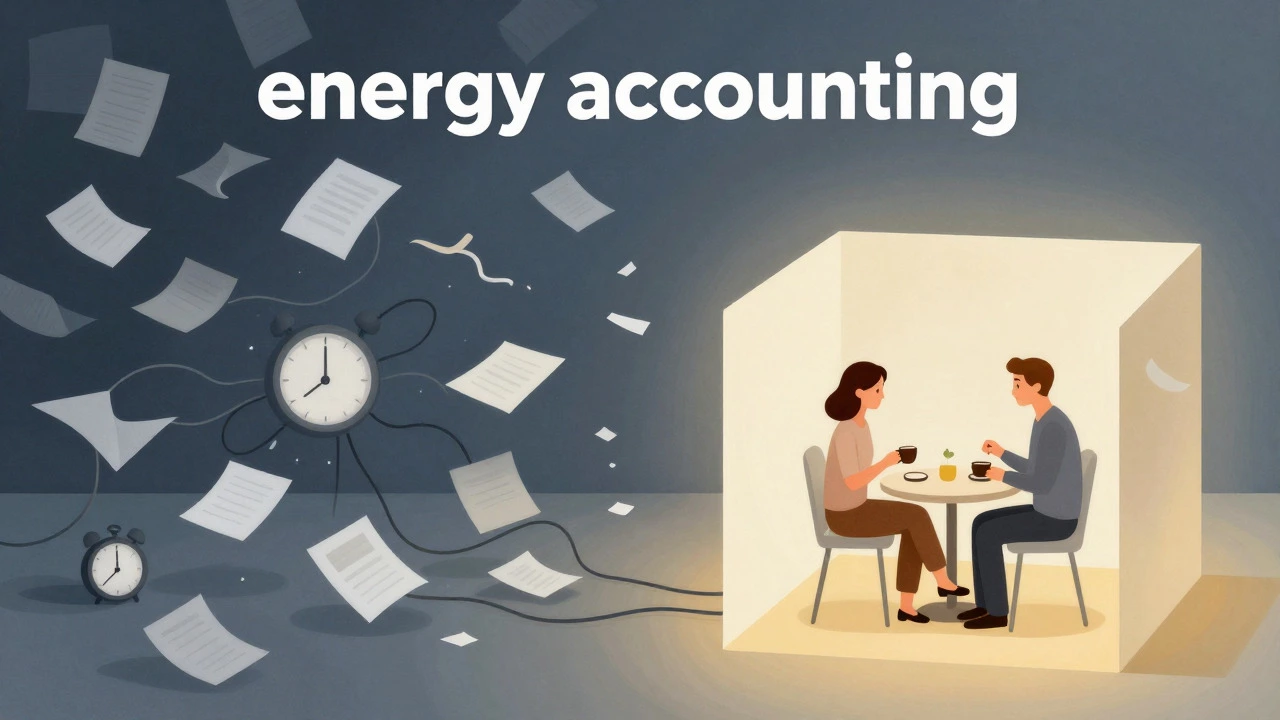
Consider the concept of "energy accounting." Many men track their hours but ignore their energy levels. You might spend eight hours at work, but if those hours drain you completely, you have nothing left for your partner. Conversely, if you work efficiently and protect your focus, you may finish by 5 PM with mental reserves intact. The metric is not time spent; it is quality of engagement. Ask yourself: Are you working to prove something, or are you working to build something? The former leads to burnout; the latter leads to fulfillment.
Is work-life balance actually possible?
Balance is not a static state but a dynamic adjustment. Some weeks will lean heavily toward work due to deadlines; others will prioritize family events. The key is ensuring that over the course of a month or quarter, neither side feels consistently neglected. It requires constant calibration, not perfection.
The Architecture of Boundaries
Boundaries are not walls; they are gates. They determine who and what gets access to your attention. Without clear boundaries, work will always expand to fill the available space. This is known as Parkinson's Law. To counter this, you must create structural barriers between your professional and personal lives.
- Digital Sunset: Establish a hard cutoff time for work communications. For example, no emails after 7 PM unless it is a genuine emergency. Communicate this expectation to your team so they know when to expect responses.
- Physical Separation: If you work from home, designate a specific workspace. When you leave that room, you leave work behind. Do not carry your laptop to the dinner table. The visual cue signals to your brain-and your partner-that you are transitioning roles.
- Calendar Blocking: Treat your personal time with the same respect as a client meeting. Block out "Family Dinner" or "Date Night" on your calendar. If it is not scheduled, it will not happen.
These boundaries require consistency. Your team will test them initially, just as your partner will test your commitment. Hold the line with calm confidence. You are not being difficult; you are being intentional.
The Art of Active Presence
Presence is a skill. It involves listening to understand, not listening to respond. When you are with your partner, put the phone away. Look them in the eye. Engage with curiosity. Ask questions about their day, their thoughts, their dreams. Show genuine interest. This does not mean you need to solve every problem they present; often, they simply want to feel heard and valued.
Consider the "transition ritual." After a long day at work, you may carry stress and tension home. Instead of dumping this energy onto your partner, take ten minutes to decompress. Take a walk, listen to music, or meditate. This buffer zone allows you to shed the "work persona" and enter the home as your authentic self. It prevents spillover, where professional frustrations infect personal interactions.
| Behavior | Passive Presence | Active Presence |
|---|---|---|
| Phone Usage | Constantly checking notifications | Phone silenced and out of sight |
| Listening | Waiting for turn to speak | Focusing fully on speaker's words |
| Engagement | Mental multitasking | Single-tasked attention |
| Outcome | Surface-level connection | Deep emotional intimacy |
Communication as a Strategic Tool
In business, communication is key to negotiation and leadership. In relationships, it is the foundation of trust. However, many men approach relationship communication reactively-only speaking when there is a problem. Proactive communication is far more effective. Schedule regular check-ins, perhaps once a week, to discuss how things are going. These are not interrogations; they are opportunities to align expectations and address minor issues before they become major conflicts.
Use "I" statements to express your needs without sounding accusatory. For example, instead of saying, "You never listen to me," try, "I feel disconnected when we don't have uninterrupted time together." This reduces defensiveness and opens the door for collaborative solutions. Remember, your partner is not your enemy; they are your ally. Approach conversations with the goal of understanding, not winning.

Integrating Shared Values and Goals
A strong relationship is built on shared values. Identify what matters most to both of you-whether it is financial security, travel, health, or community involvement. Align your work efforts with these shared goals. If saving for a house is a priority, frame your late nights not as selfish ambition, but as contribution to a common dream. This creates a sense of partnership rather than competition.
Involve your partner in your professional journey. Share your wins and your challenges. Let them see the passion that drives you. Similarly, support their ambitions. A gentleman lifts up his partner, recognizing that their success enhances his own. This mutual support fosters deep respect and admiration, which are the bedrocks of lasting love.
Practical Steps for Immediate Implementation
Change does not happen overnight. Start small. Pick one boundary to implement this week. Perhaps it is turning off work notifications after 6 PM. Or maybe it is planning one date night per month where phones are banned. Consistency builds habit. Over time, these small actions compound into a lifestyle that honors both your career and your relationships.
Remember, the goal is not perfection. There will be days when work demands extra attention, and days when your partner needs more support. The key is flexibility and forgiveness. Apologize when you slip up. Reconnect quickly. Keep moving forward with intention. By balancing work and relationships, you create a life that is not only successful but also deeply fulfilling. You become a man who is respected in the office and cherished at home. That is the true mark of a gentleman.
How do I handle emergencies that disrupt my boundaries?
Emergencies happen. The key is transparency. Inform your partner immediately if an urgent work issue arises. Explain the situation briefly and estimate how long it will take to resolve. Follow through on your promise to disconnect afterward. Occasional disruptions are acceptable if the overall pattern respects your personal time.
What if my partner doesn't respect my work boundaries?
Communicate clearly and calmly. Explain why these boundaries are important for your well-being and, ultimately, for your ability to be present in the relationship. Listen to their perspective as well. Find a compromise that works for both of you. Mutual respect is essential for any boundary to hold.
Can technology help maintain balance?
Yes, technology can be a tool for balance. Use apps that block distracting websites during work hours to increase efficiency. Set automatic replies on your email after hours. Use shared calendars to coordinate schedules. However, ensure technology serves you, not the other way around. Avoid letting devices dominate your personal time.
How important is physical activity in this balance?
Physical activity is crucial. Exercise reduces stress, improves mood, and boosts energy levels. It provides a healthy outlet for tension accumulated during work. Consider exercising with your partner to combine fitness with quality time. Even a short walk together can strengthen your bond and improve your physical health.
What role does self-care play in balancing work and relationships?
Self-care is foundational. You cannot pour from an empty cup. Prioritize sleep, nutrition, and hobbies that recharge you. When you feel good physically and mentally, you are more patient, attentive, and engaged in your relationships. Self-care is not selfish; it is necessary for sustaining high performance in all areas of life.