

Emotional Maturity Simulator
Test your relationship skills. Select the most mature response for each scenario to see how an emotionally adult partner handles challenges.
Select a response to see analysis.
Most men know how to build a career. They know how to manage a budget, negotiate a contract, or lead a team. Yet, when it comes to the most complex partnership of their lives-romantic relationships-many revert to childhood behaviors. The result is a cycle of miscommunication, resentment, and confusion. Being an adult in a relationship isn’t about age; it’s about emotional architecture. It requires moving from a mindset of 'me versus you' to 'us against the problem.'
If you find yourself walking on eggshells, keeping score, or avoiding difficult conversations, this guide is for you. We will strip away the noise and focus on the practical, grounded skills that define mature love. This isn't about being perfect. It's about being present, reliable, and emotionally intelligent.
The Foundation: Emotional Ownership
The first sign of immaturity in any relationship is the inability to take responsibility for one's own feelings. An immature partner says, "You made me angry." An adult says, "I am feeling angry because my need for respect wasn't met." The difference is subtle but profound. One blames; the other owns.
Emotional Ownership is the practice of acknowledging your emotions as your own responsibility rather than projecting them onto your partner. This concept is rooted in psychological frameworks like Internal Locus of Control, which suggests that individuals who believe they control their own outcomes experience less anxiety and greater satisfaction in relationships.
To practice this, start with self-auditing. When you feel a surge of irritation, pause. Ask yourself: What triggered this? Is it actually about what she just said, or is it about stress from work, lack of sleep, or an unmet expectation? By identifying the root cause, you stop using your partner as a punching bag for your unresolved issues. You become a source of stability, not chaos.
- Acknowledge the feeling: Name it without judgment (e.g., "I feel frustrated").
- Identify the trigger: Was it a specific action, tone, or silence?
- Take responsibility: Own your reaction before addressing the external event.
Communication: Beyond Words
We often think communication is about talking more. In reality, mature communication is about listening better and speaking with intent. Many men fall into the trap of "fixing" every problem their partner brings up. While helpful in some contexts, constant problem-solving can feel dismissive. Often, your partner seeks connection, not a solution.
Active Listening is a communication technique where the listener fully concentrates, understands, responds, and remembers what is being said. Unlike passive hearing, active listening involves validating the speaker's perspective even if you disagree with it.
Try this simple shift: Instead of offering advice immediately, try reflecting. Say, "It sounds like you're feeling overwhelmed by the workload at home. Did I get that right?" This validates her experience and opens the door for deeper dialogue. If she wants solutions, she will ask. If she wants empathy, you’ve provided it. This approach builds trust because it shows you value her internal world as much as your own.
Conflict Resolution: Fighting Fair
Conflict is inevitable. The goal isn't to avoid it but to navigate it constructively. Immature arguments are characterized by personal attacks, bringing up past grievances, and stonewalling (the silent treatment). Mature conflicts focus on the current issue, use "I" statements, and seek resolution, not victory.
| Behavior | Immature Response | Mature Response |
|---|---|---|
| Criticism | "You never listen to me!" | "I feel unheard when I'm interrupted. Can we talk now?" |
| Defensiveness | "Well, you do it too!" | "That’s a fair point. Let me explain my side. |
| Stonewalling | Silence, leaving the room angrily | "I need 20 minutes to calm down so I can speak clearly. Let's resume then. |
| Contempt | Rolling eyes, sarcasm | Maintaining eye contact, respectful tone |
Notice the pattern in the mature responses? They are specific, non-accusatory, and solution-oriented. They invite collaboration rather than combat. Remember, you are on the same team. Winning an argument at the cost of your partner's dignity is a pyrrhic victory. It erodes intimacy over time.
Vulnerability: Strength in Softness
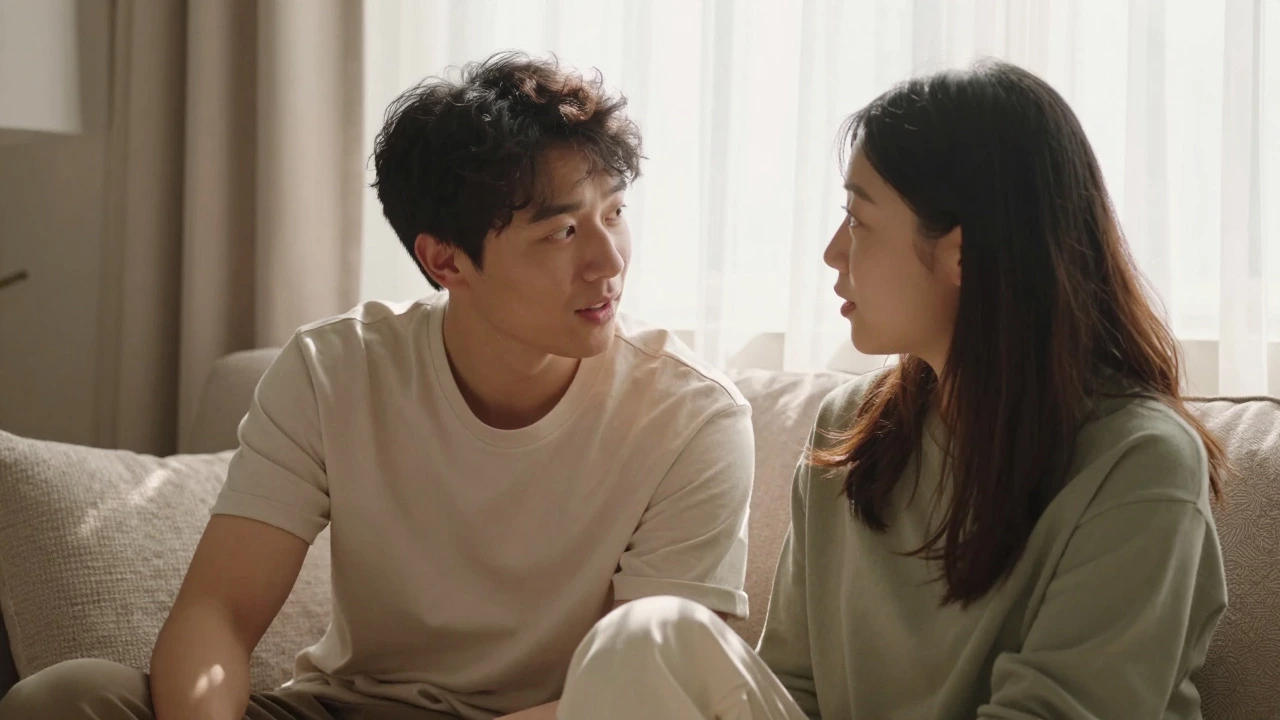
Society often teaches men that vulnerability is weakness. This is a dangerous myth. In relationships, vulnerability is the bridge to intimacy. Hiding your fears, insecurities, and needs creates distance. Your partner cannot support what they do not know exists.
Emotional Vulnerability is the willingness to show your true self, including fears and uncertainties, to another person. Research by Brené Brown highlights that vulnerability is the birthplace of connection, creativity, and joy. It requires courage, not cowardice.
Start small. Share a worry about work. Admit when you're unsure. Express gratitude for something specific she did. These acts signal safety. When you lower your guard, you give her permission to do the same. This mutual exposure deepens the bond and transforms the relationship from a transactional arrangement into a sanctuary.
Consistency and Reliability
Grand gestures are nice, but consistency is king. Showing up reliably day after day builds a foundation of trust that no amount of flowers or vacations can replicate. If you say you'll call, call. If you promise to handle a task, do it. Small broken promises accumulate into a narrative of unreliability.
Think of your word as your currency. Every time you follow through, you deposit value into the relationship bank account. Every time you flake or forget, you withdraw. Over time, the balance determines the health of the partnership. Be the man whose word is ironclad. This doesn't mean you never make mistakes; it means you own them immediately and correct course.

Maintaining Individuality
A common pitfall in long-term relationships is codependency-the loss of self within the union. Healthy adults maintain their own identities, hobbies, and friendships outside the relationship. This independence prevents resentment and keeps the dynamic fresh.
Encourage each other to pursue individual goals. Support her career ambitions as fiercely as you pursue your own. Have separate friends and interests. This ensures that you bring new energy and perspectives into the relationship, rather than stagnating in a closed loop. Two whole people make a stronger pair than two halves trying to complete each other.
Physical and Emotional Intimacy
Intimacy is not just sexual. It encompasses physical touch, emotional closeness, and intellectual connection. Neglecting any of these pillars leads to disconnection. Make time for non-sexual touch-a hug, holding hands, a hand on the back. These micro-moments release oxytocin, the bonding hormone, and reinforce safety.
Regularly check in on the state of your intimacy. Are you still curious about each other? Do you share dreams and fears? Schedule date nights not as obligations but as opportunities to reconnect. Treat your relationship as a living entity that requires nourishment, attention, and care.
How do I know if I'm being emotionally immature in my relationship?
Signs include frequent defensiveness, blaming your partner for your feelings, avoiding difficult conversations, and expecting your partner to read your mind. If you often feel misunderstood or resentful, it may be time to examine your communication patterns and take ownership of your emotional responses.
What is the best way to resolve a conflict without hurting feelings?
Use "I" statements to express your feelings without accusing your partner. Focus on the specific behavior, not their character. Listen actively to their perspective, validate their feelings, and collaborate on a solution. Take breaks if emotions run high, but always commit to returning to the conversation.
Why is vulnerability important for men in relationships?
Vulnerability fosters deep emotional intimacy and trust. It allows your partner to see the real you, flaws and all, which strengthens the bond. Contrary to popular belief, showing vulnerability takes courage and demonstrates confidence in the relationship's safety.
How can I improve my active listening skills?
Practice giving your full attention by putting away distractions. Reflect back what you hear to ensure understanding. Ask open-ended questions to encourage deeper sharing. Avoid interrupting or jumping to solutions unless asked. Validate your partner's emotions even if you see things differently.
Is it possible to change from being emotionally immature to mature?
Yes, emotional maturity is a skill that can be developed with self-awareness and practice. Start by identifying your triggers, taking responsibility for your reactions, and seeking feedback from your partner. Therapy or coaching can also provide valuable tools and insights for growth.