
Gentleman's Resilience Toolkit
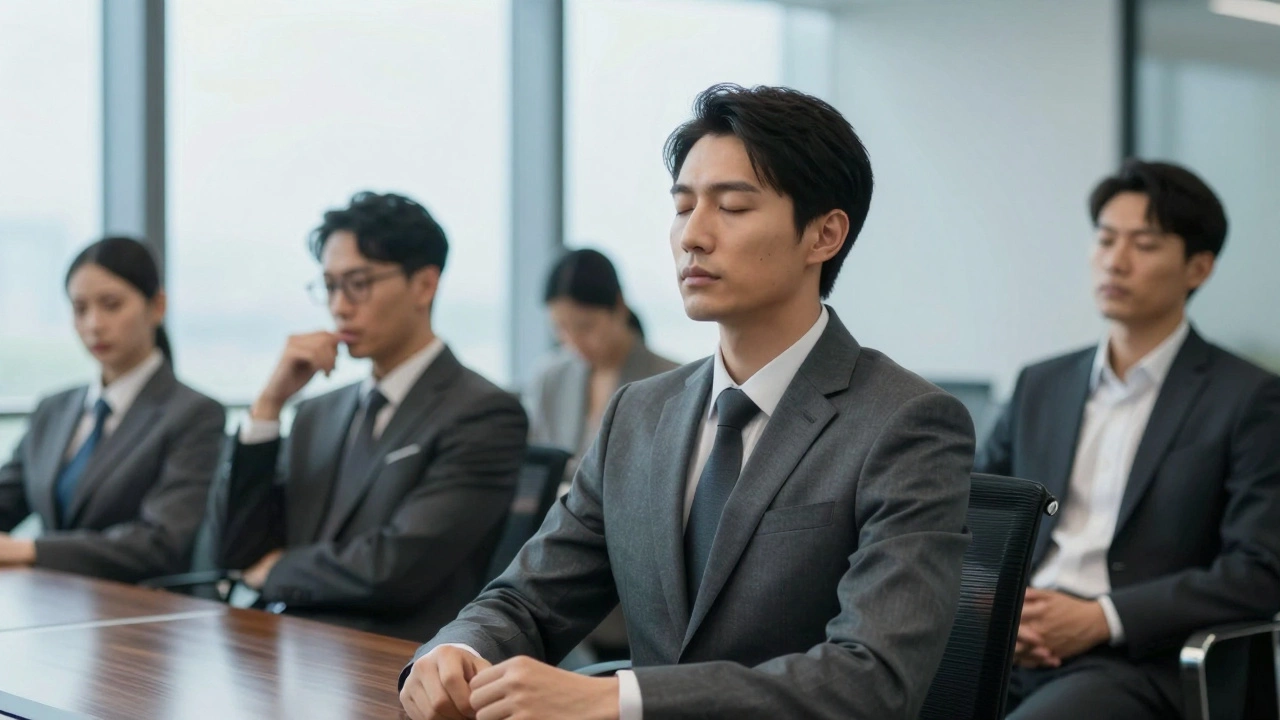
Manually override your stress response. Follow the prompt to regulate your heart rate.
Track your systemic pillars to lower your baseline cortisol levels.
Key Takeaways for the Modern Man
- Stress is a biological response; managing it requires both physical and mental strategies.
- Short-term relief is helpful, but long-term resilience comes from systemic lifestyle changes.
- True composure is built through the intentional practice of emotional regulation.
- Physical health-specifically sleep and movement-is the foundation of mental stability.
Understanding the Biology of Pressure
Before you can control stress, you need to understand what is actually happening inside your body. When you perceive a threat-be it a looming deadline or a conflict with a partner-your brain triggers the release of Cortisol is a steroid hormone produced by the adrenal glands that regulates metabolism and the body's response to stress. While this "fight or flight" response was useful for our ancestors avoiding predators, in a modern office, it simply manifests as a racing heart, shallow breathing, and a clouded mind.
The danger lies in chronic exposure. When cortisol levels remain elevated for too long, you experience "burnout." This isn't just feeling tired; it is a state of emotional exhaustion that kills your drive and creativity. To maintain your edge, you must move from a state of reactive stress to proactive management. This means recognizing the physical cues-the tight jaw, the restless legs-before they escalate into a full-blown crisis.
The Immediate Response: Tactical Composure
When the pressure hits in real-time, you don't have an hour for a nap or a long walk. You need tools that work in seconds. The most effective tool in a gentleman's arsenal is Box Breathing is a rhythmic breathing technique used by elite athletes and special forces to calm the nervous system. This method allows you to manually override your sympathetic nervous system and signal to your brain that you are safe.
To practice this, inhale for four seconds, hold for four, exhale for four, and hold again for four. Repeat this four times. It is a discrete action; you can do it during a meeting or while waiting for a difficult phone call, and no one will be the wiser. By controlling your breath, you control your heart rate, which in turn restores your ability to think logically rather than emotionally.
Another immediate tactic is "cognitive reframing." Instead of telling yourself, "I am overwhelmed," try, "I am experiencing a challenge that requires my full attention." This subtle shift in language moves you from a victim mindset to a leadership mindset. You are no longer being crushed by the weight of the situation; you are managing the load.
Building a Foundation of Resilience
Tactics are for the moment, but systems are for a lifetime. If you are constantly relying on breathing exercises, your baseline stress level is likely too high. To truly control stress, you must optimize the three pillars of male health: sleep, movement, and nutrition.
Sleep is non-negotiable. A brain that has had only five hours of rest is chemically similar to a brain under the influence of alcohol. It cannot regulate emotions or process complex information. Aim for seven to eight hours of quality sleep. Keep your bedroom cool, dark, and free of electronic screens for at least thirty minutes before bed. This allows the brain to clear out metabolic waste and reset your cortisol levels for the next day.
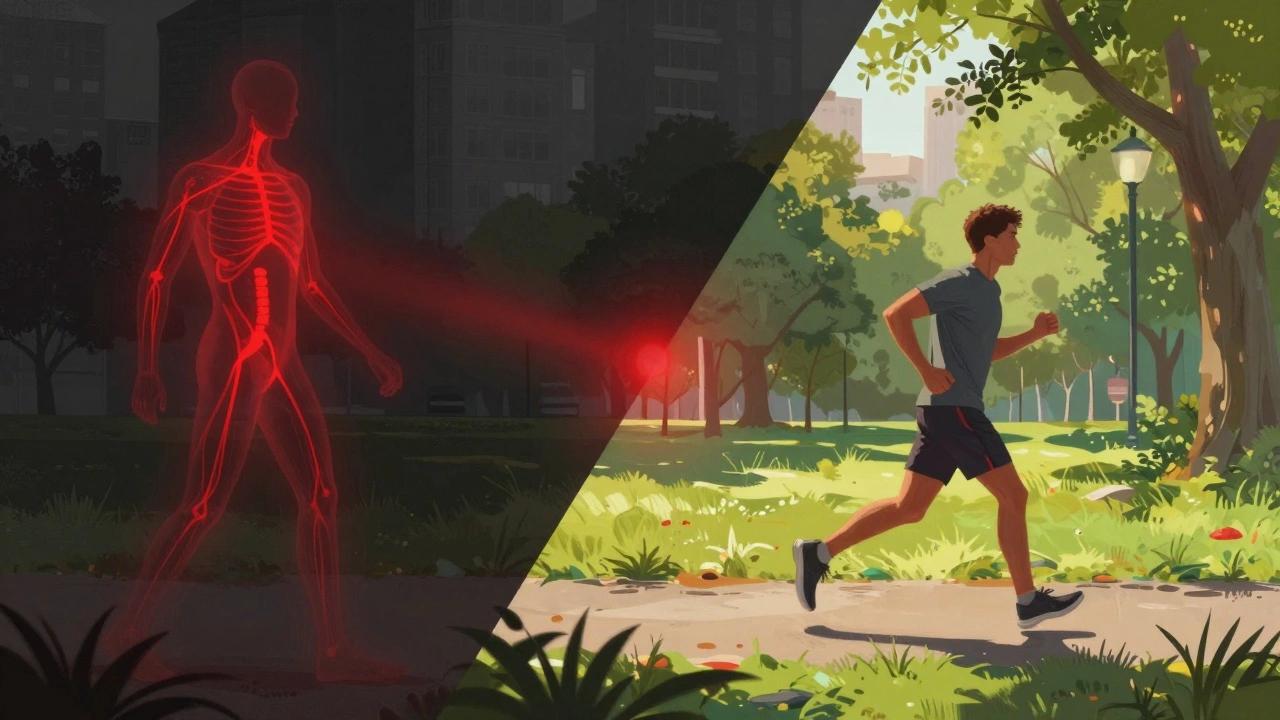
Physical activity is not just about aesthetics; it is about chemical regulation. When you engage in intense exercise, you burn off the excess adrenaline and cortisol that accumulate during a stressful workday. Whether it is a heavy lifting session at the gym, a brisk walk through a city park, or a game of tennis, movement acts as a biological release valve. If you sit at a desk for ten hours a day, your body stores stress in the muscles of your neck and shoulders. Regular stretching or a focused routine of Yoga is a physical and mental discipline originating in India that emphasizes breath control and posture can prevent these physical manifestations of stress from becoming chronic pain.
| Approach | Method | Primary Goal | Time Required |
|---|---|---|---|
| Tactical | Box Breathing | Immediate Calm | 2 Minutes |
| Tactical | Cognitive Reframing | Mental Shift | 30 Seconds |
| Systemic | Consistent Sleep | Hormonal Balance | 7-9 Hours |
| Systemic | Weight Training | Cortisol Reduction | 45-60 Minutes |
| Systemic | Digital Detox | Mental Clarity | Daily/Weekly |
The Discipline of Mental Space
In an age of constant connectivity, the modern man is perpetually "on." The endless stream of emails, notifications, and news updates creates a state of hyper-vigilance that mimics a stress response. To combat this, you must implement strict boundaries. This is where Mindfulness is the psychological process of bringing one's attention to experiences occurring in the present moment becomes a practical tool rather than a vague concept.
Mindfulness for a professional man isn't necessarily about meditating on a mountain; it is about the disciplined focus of attention. It means being fully present during a conversation without checking your phone. It means eating a meal without a screen in front of you. When you fracture your attention across five different platforms, you increase your cognitive load, which elevates your stress. By dedicating blocks of time to single-tasking, you give your nervous system a chance to recover.
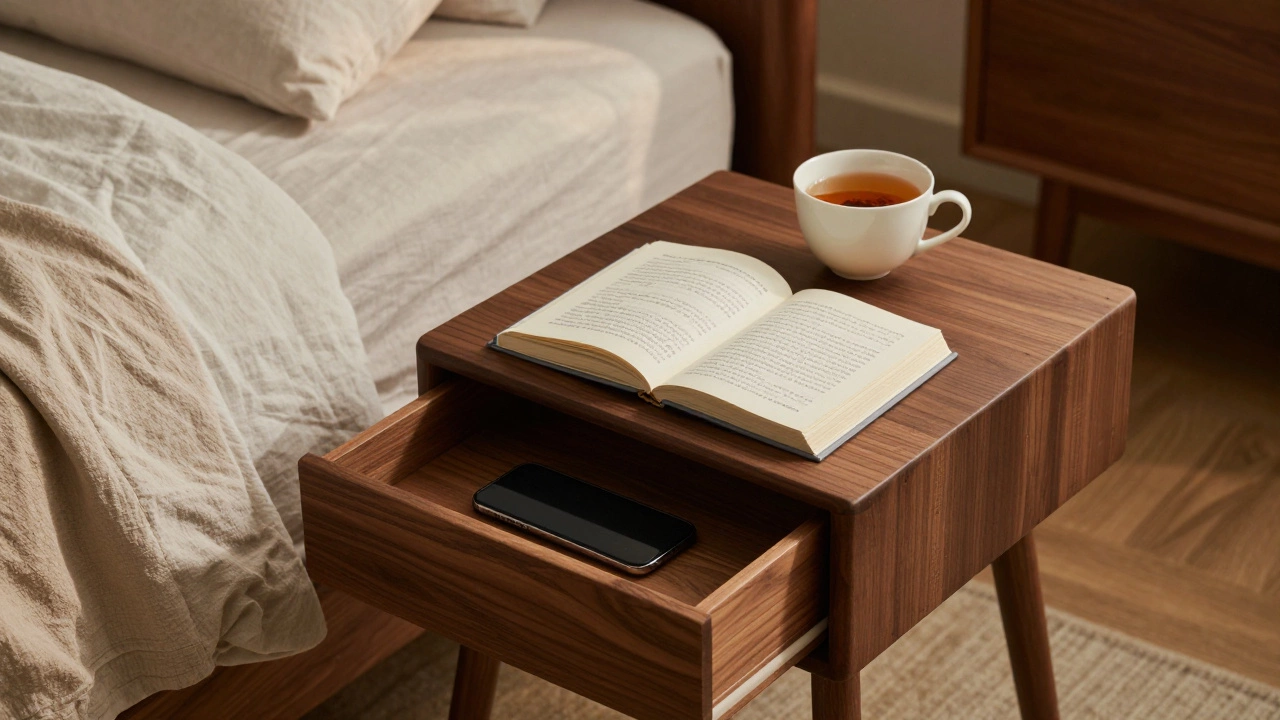
Consider the "Digital Sunset." At a specific time each evening-say 8:00 PM-put your phone in a drawer and leave it there. This creates a psychological boundary between your professional obligations and your private life. When you remove the possibility of a late-night work email triggering a stress response, you allow your brain to enter a state of deep relaxation, which is essential for cognitive longevity.
The Social Component of Composure
There is a pervasive myth that a strong man carries his burdens in silence. In reality, isolation is a catalyst for stress. While you should not vent every frustration to every colleague, having a trusted circle of peers-men who understand your challenges-is a critical safety valve. This is the essence of a modern brotherhood: the ability to speak candidly about pressures and receive objective perspective.
When you discuss a stressor with someone who has faced similar hurdles, you achieve two things. First, you realize that your experience is a common human response, which reduces the secondary stress of feeling "weak" for being stressed. Second, you often find a practical solution that you were too overwhelmed to see. The key is to seek solutions, not just sympathy. A conversation focused on "How do I handle this?" is infinitely more productive than one focused on "Can you believe this is happening?"
Refining Your Environment
Your external environment is a mirror of your internal state. A cluttered workspace, a chaotic home, or a disorganized schedule contributes to a subtle, constant layer of background stress. The gentleman understands that order creates calm. When your physical surroundings are curated and organized, your mind has fewer distractions to process.
Start with your immediate vicinity. A clean desk, a well-organized calendar, and a clear set of daily priorities reduce the "decision fatigue" that leads to stress. Instead of a sprawling to-do list that feels like an insurmountable mountain, use the "Rule of Three." Identify the three most important tasks for the day. Once those are complete, anything else is a bonus. This prevents the feeling of failure that comes from an unfinished list of twenty items, and instead fosters a sense of accomplishment and control.
Is stress ever a good thing?
Yes. In psychology, this is known as "eustress." It is the positive stress that motivates you to perform during a presentation or push harder in a workout. The goal isn't to reach a state of zero stress, but to ensure that your stress is acute (short-term and purposeful) rather than chronic (constant and draining).
How do I know if my stress has become chronic?
Watch for the "red flags": persistent insomnia, unexpected irritability with loved ones, a constant feeling of fatigue regardless of sleep, and a loss of interest in hobbies you once enjoyed. If these symptoms persist for several weeks despite lifestyle changes, it is a sign that your system is overloaded.
Do supplements actually help with stress management?
Some may provide a marginal benefit, such as Magnesium for muscle relaxation or Ashwagandha for cortisol regulation. However, no supplement can outpace a poor diet, lack of sleep, or a chaotic lifestyle. Focus on the fundamentals first before adding supplements to your routine.
How can I help a partner or colleague who is visibly stressed?
Avoid telling them to "calm down," as this often has the opposite effect. Instead, offer a calm presence and ask a specific, helpful question like, "What is the one thing on your plate right now that I can take off for you?" Shifting the focus from the emotion to a practical solution is usually the most helpful approach.
Does alcohol help in controlling stress after a long day?
While a drink may feel like a "release," alcohol is a sedative that disrupts REM sleep and increases anxiety the following morning (often called "hangxiety"). For a man seeking long-term resilience, alcohol is a temporary mask, not a solution. Replace the evening drink with a hot bath, a book, or a short walk to achieve genuine decompression.
Moving Forward: The Path to Composure
Mastering your stress is not a weekend project; it is a lifelong practice. There will be days when the pressure exceeds your current capacity and you lose your cool. The mark of a gentleman is not perfection, but the ability to recover with grace. When you slip, analyze the trigger, adjust your system, and return to your center.
Start tonight. Put your phone away an hour before bed. Tomorrow morning, take five minutes to breathe and set your three priority tasks. Over time, these small, disciplined choices compound into a level of mental resilience that allows you to lead your life with confidence and ease, regardless of what the world throws at you.