
Mature Menswear Style Calculator
Use this tool to determine your core wardrobe essentials and appropriate color palette based on your lifestyle and professional requirements.
Your Recommended Style Profile
There is a distinct shift that happens around the age of fifty. The desire to shout for attention fades, replaced by a quiet confidence that demands respect without asking for it. Your clothes should reflect this evolution. At this stage in life, you are no longer trying to fit into a trend; you are defining your own standard. The goal isn't just to look good-it is to look like yourself, only sharper, more composed, and undeniably put together.
Dressing well at fifty is not about hiding your age. It is about honoring the experience you have accumulated. It means trading fast fashion for quality fabrics, loud logos for subtle textures, and ill-fitting silhouettes for precise tailoring. This guide will help you navigate the nuances of mature menswear, ensuring your wardrobe works as hard as you do.
The Foundation: Fit Is Everything
If there is one rule that supersedes all others in menswear, it is fit. In your twenties, you could get away with boxy cuts or oversized trends because your frame carried them easily. At fifty, precision matters. Clothes that hang loosely can make you look sloppy; clothes that cling too tightly can appear desperate. You want the middle ground-clothing that skims the body without pulling or sagging.
Focus on three key areas:
- The Shoulders: Whether it is a suit jacket or a casual shirt, the seam should sit right at the edge of your shoulder bone. If it droops, the garment is too big. If it pulls across the back, it is too small.
- The Waist: Trousers should sit comfortably at your natural waist, not below it. Avoid excessive bunching at the ankles (break). A slight break or no break creates a cleaner line, making you look taller and leaner.
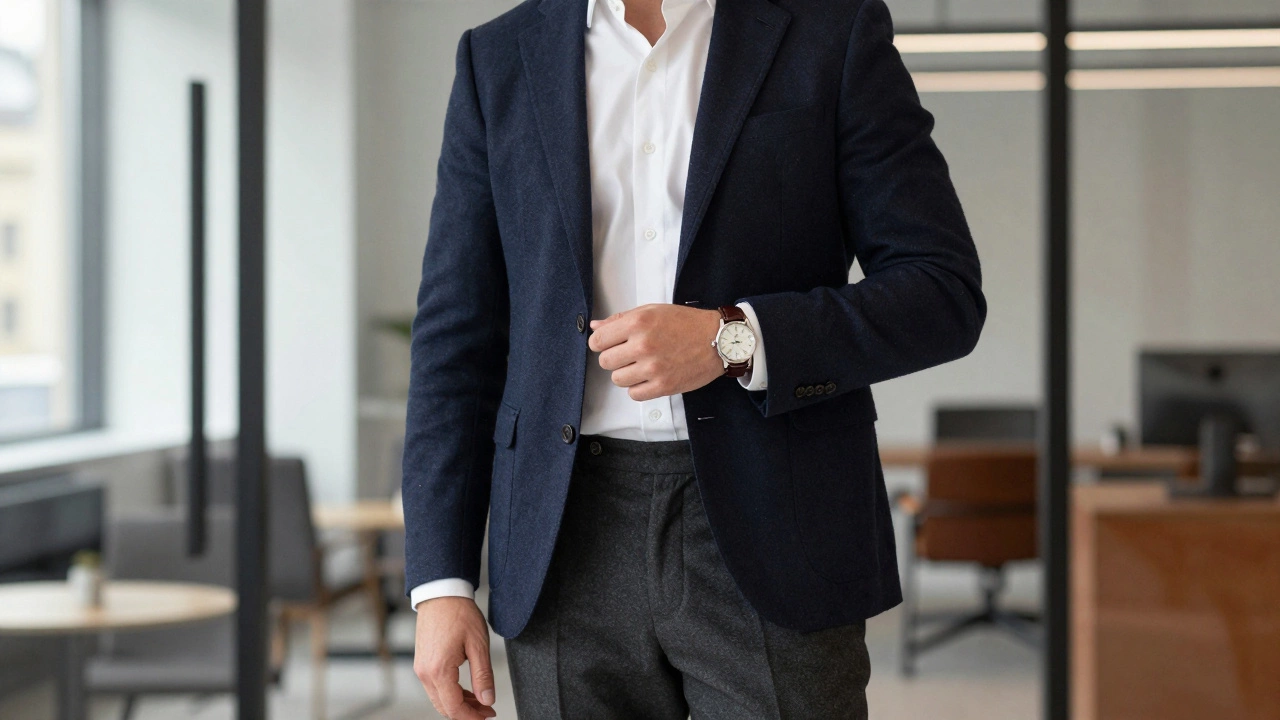
- The Sleeves: Shirt sleeves should end exactly where your wrist meets your hand. Jacket sleeves should reveal about half an inch of shirt cuff. These details signal that you pay attention to the finer points.
Do not underestimate the power of a tailor. Even expensive off-the-rack clothing rarely fits perfectly out of the bag. Spending a little on alterations transforms a generic item into a signature piece.
Fabric Matters More Than Brand
As you move past fifty, the tactile experience of clothing becomes part of your daily comfort. Synthetic blends that trap heat or pill after a few washes lose their appeal. Instead, prioritize natural fibers that breathe, drape well, and age gracefully.
| Fabric | Best For | Why It Works |
|---|---|---|
| Wool | Suits, Blazers, Trousers | Breathable, resists wrinkles, holds shape well. |
| Cotton | Shirts, Chinos, Casual Wear | Soft, durable, and versatile in both light and dark weights. |
| Linen | Summer Shirts, Lightweight Jackets | Excellent airflow; adds texture and relaxed elegance. |
| Cashmere | Sweaters, Scarves | Unmatched softness and warmth without bulk. |
Look for high thread counts in cotton shirts (100-140 threads per inch) and worsted wool for suits. These materials feel substantial against the skin and maintain their structure throughout the day. When you touch a fabric, ask yourself: does this feel like something I would wear every day? If it feels scratchy or cheap, leave it behind.
Color Palette: Understated Elegance
Your color choices should anchor your look rather than distract from it. While bright neon hues may have worked in your thirties, they often clash with the gravitas of midlife. Stick to a core palette of neutrals: navy, charcoal, olive, beige, and white. These colors mix and match effortlessly, allowing you to build a cohesive wardrobe where almost any top pairs with any bottom.
Introduce color through accessories or secondary pieces. A burgundy tie, a forest green sweater, or a patterned pocket square adds personality without overwhelming your appearance. Patterns should be subtle-think herringbone, pinstripes, or small checks. Large, bold prints can date you quickly. Remember, the aim is sophistication, not spectacle.
Essential Wardrobe Pieces
A mature man’s closet should be curated, not cluttered. Here are the non-negotiable items that form the backbone of a stylish, functional wardrobe:
- The Navy Blazer: Versatile enough for business lunches or weekend dinners. Pair it with chinos and loafers for smart-casual events.
- Dark Wash Jeans: Choose a straight or slim-straight cut without distressing or fading. They bridge the gap between formal and casual seamlessly.
- Quality Leather Shoes: Invest in a pair of brown leather derbies and black oxfords. Keep them polished. Scuffed shoes undermine even the best-tailored suit.
- White Oxford Shirt: Crisp, clean, and timeless. It serves as the perfect canvas for ties, sweaters, or worn open-collared.
- Overcoat: A camel or charcoal wool overcoat protects you from the elements while adding a layer of authority to your silhouette.
These pieces work together. You should be able to create ten different outfits from these five items alone. This approach saves time in the morning and ensures you always look appropriate, regardless of the occasion.
Grooming: The Final Touch
Clothes are only half the equation. Grooming completes the picture. At fifty, maintaining neat hair, trimmed facial hair, and healthy skin signals self-respect. If you are growing a beard, keep it lined up and moisturized. If you are clean-shaven, ensure your shave is smooth and irritation-free.
Haircuts should be conservative but modern. Avoid extremes-no shaved heads unless it is your natural preference, and no long, unkempt styles. A classic side part or a textured crop works well. Regular trims every four to six weeks keep your hairstyle sharp.
Skincare is equally important. Use a daily moisturizer with SPF to protect against sun damage, which accelerates aging. Hydrated skin looks healthier and complements your attire better than dry, flaky patches.
Confidence: The Ultimate Accessory
No amount of tailoring can compensate for poor posture or lack of confidence. Stand tall, make eye contact, and move with purpose. When you believe you look good, others will see it too. Dressing well at fifty is not about vanity; it is about presenting the best version of yourself to the world. It is a form of respect-for yourself and for those around you.
Start small. Update one piece at a time. Replace old shoes before buying new suits. Focus on fit first, then fabric, then color. Over time, you will develop a personal style that feels authentic and enduring. That is the mark of a true gentleman.
What colors should men avoid after 50?
Men over 50 should generally avoid neon colors, overly bright primary hues, and large, distracting patterns. These can clash with a mature aesthetic. Instead, opt for muted tones like navy, grey, olive, and earth tones, using brighter colors sparingly in accessories.
Is it okay to wear jeans at 50?
Absolutely. Dark-wash, well-fitted jeans without rips or excessive fading are a staple of modern menswear. Pair them with a blazer or a crisp button-down shirt to elevate the look for semi-formal occasions.
How often should I update my wardrobe?
Rather than following seasonal trends, focus on replacing items when they wear out or no longer fit. Aim to refresh one or two key pieces each year, prioritizing quality over quantity. Classic items like suits and coats can last for decades if cared for properly.
What type of shoes are most versatile for men over 50?
Brown leather derby shoes and dark brown loafers are highly versatile. Derbies work with suits and chinos, while loafers add a touch of casual elegance. Ensure they are made of genuine leather and kept clean and polished.
Should I wear a watch?
Yes. A classic analog watch with a leather strap or metal bracelet adds sophistication to any outfit. It serves as a functional accessory and a conversation starter. Avoid overly sporty digital watches unless you are engaging in physical activity.