

Professional Wardrobe Validator
Check Your Outfit Against Professional Standards
Answer these questions based on your current work attire. The tool will validate if your outfit meets professional standards.
Fit & Fabric
Color & Pattern
Details & Accessories
Your Professional Fit Assessment
Essential Workwear Checklist
Reference the article's capsule wardrobe essentials:
- Two tailored navy/charcoal suits
- Five crisp white/light blue dress shirts
- Three solid-color ties (navy, burgundy, charcoal)
- One patterned tie (subtle pinstripe/micro-dot)
- One wool/cashmere sweater
- One well-fitted blazer
- Two pairs of dark chinos
What you wear to work isn’t just about looking neat-it’s about how you carry yourself, how others perceive your competence, and how you feel when you walk into the room. The right clothes don’t shout. They whisper confidence. And in a world where first impressions are formed in seconds, that whisper matters more than ever.
Style Is Not About Trends
Forget the latest runway look. Dressing for success isn’t about following fashion cycles. It’s about mastering a language of restraint: clean lines, proper fit, and thoughtful detail. The goal isn’t to stand out-it’s to be remembered for the right reasons. A well-tailored navy blazer, a crisp white shirt, and polished oxfords don’t announce your presence. They command it.Look at the men who rise quietly in organisations-the ones who are promoted without fanfare, trusted with clients, invited into key meetings. They aren’t wearing designer logos. They’re wearing consistency. Their wardrobe is a quiet declaration: I am prepared.
Start with the Foundation: Fit and Fabric
No matter how expensive the item, if it doesn’t fit, it works against you. Too tight? It looks strained. Too loose? It looks careless. The difference between good and great is often just an inch or two at the shoulder, the sleeve, or the waist.For shirts, the collar should sit flush against your neck without pinching. The sleeves should end at the base of your thumb when your arms are relaxed. For trousers, a single break at the shoe is ideal-no more, no less. If you’re unsure, invest in one good tailor. A single visit can transform three off-the-rack pieces into a wardrobe that looks custom-made.
Fabric matters as much as fit. Wool blends in winter, cotton-linen in summer. Avoid synthetic materials that shimmer under fluorescent lights or cling uncomfortably. Natural fibres breathe, drape, and age gracefully. They don’t wrinkle as badly, and they don’t look cheap after a long day.
Colour Is Your Silent Ally
You don’t need to wear black or grey every day. But you do need to understand how colour communicates.Dark navy and charcoal are your anchors. They’re professional without being dull. A white or light blue shirt is your canvas. Add a subtle pattern-pinstripe, micro-check, or a muted tie-and you add depth without distraction. Avoid neon, loud prints, or anything that draws attention away from your words.
Consider the psychology of colour. Blue conveys trust. Grey signals neutrality and control. Brown, when done right, adds warmth and approachability. A dark brown leather belt or shoes can soften a formal look without breaking professionalism.
One rule: if you wouldn’t wear it to a funeral, don’t wear it to a board meeting.
Shoes, Socks, and the Details That Define You
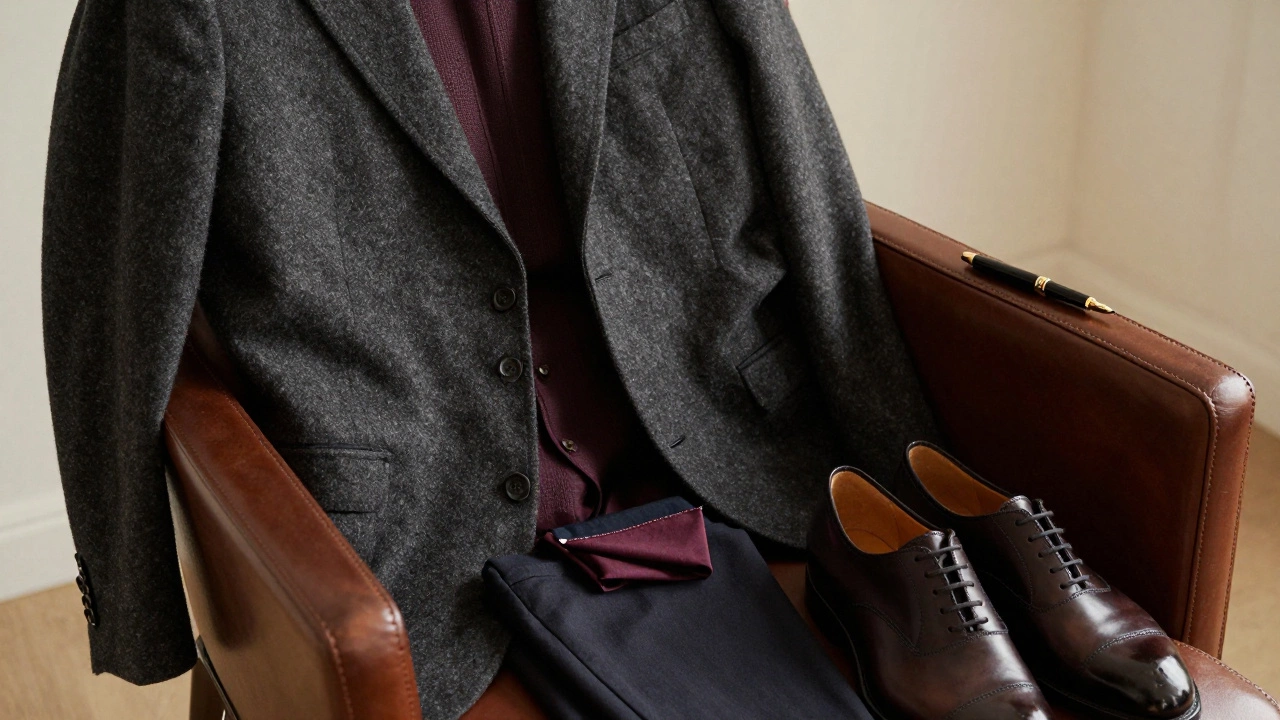
The most expensive suit in the world can be undone by a pair of scuffed loafers or mismatched socks. Attention to detail isn’t pedantry-it’s discipline.Your shoes should be clean, polished, and appropriate. Oxfords or derbies for formal settings. Loafers for creative or hybrid environments. Avoid sneakers unless your workplace explicitly allows them-and even then, choose minimalist, tonal styles in black or dark brown.
Socks should match your trousers, not your shoes. Dark socks with navy trousers. Charcoal with grey. No white socks. No patterns unless they’re understated and coordinated.
Watches matter. A simple leather-strapped timepiece in stainless steel or bronze speaks more than a flashy digital display. Pens? A decent fountain pen or a sleek ballpoint in your breast pocket adds polish. Cufflinks? Only if you’re wearing French cuffs-and make sure they’re not gold-plated plastic.
Adapt, Don’t Compromise
Not every workplace is a law firm. Tech startups, design studios, and even some banks now have smart-casual policies. That doesn’t mean you can throw on jeans and a hoodie. It means you refine your approach.Dark chinos, a merino wool sweater, and a tailored coat can replace a suit without losing authority. A button-down shirt under a fine-gauge knit is more modern than a tie. A well-fitted blazer over a turtleneck is a powerful alternative to a full suit.
Observe the leaders in your environment. What do they wear? Not to copy them-but to understand the unspoken rules. If your CEO wears a navy sweater with tailored trousers, you don’t need a tie. You just need the same level of care in your own outfit.
What Not to Wear
Some mistakes are easy to avoid. Here’s a short list of what never belongs in a professional setting:- Visible logos on shirts or jackets
- Wrinkled or stained clothing
- Open-toed shoes or sandals
- Overpowering cologne
- Excessive jewellery-no chains, no rings beyond a wedding band or simple signet
- Baggy jeans, cargo pants, or athletic wear
- Unkempt facial hair or a messy haircut
These aren’t fashion crimes. They’re signals of neglect. And in professional life, neglect is the fastest way to be underestimated.
The Mindset Behind the Outfit
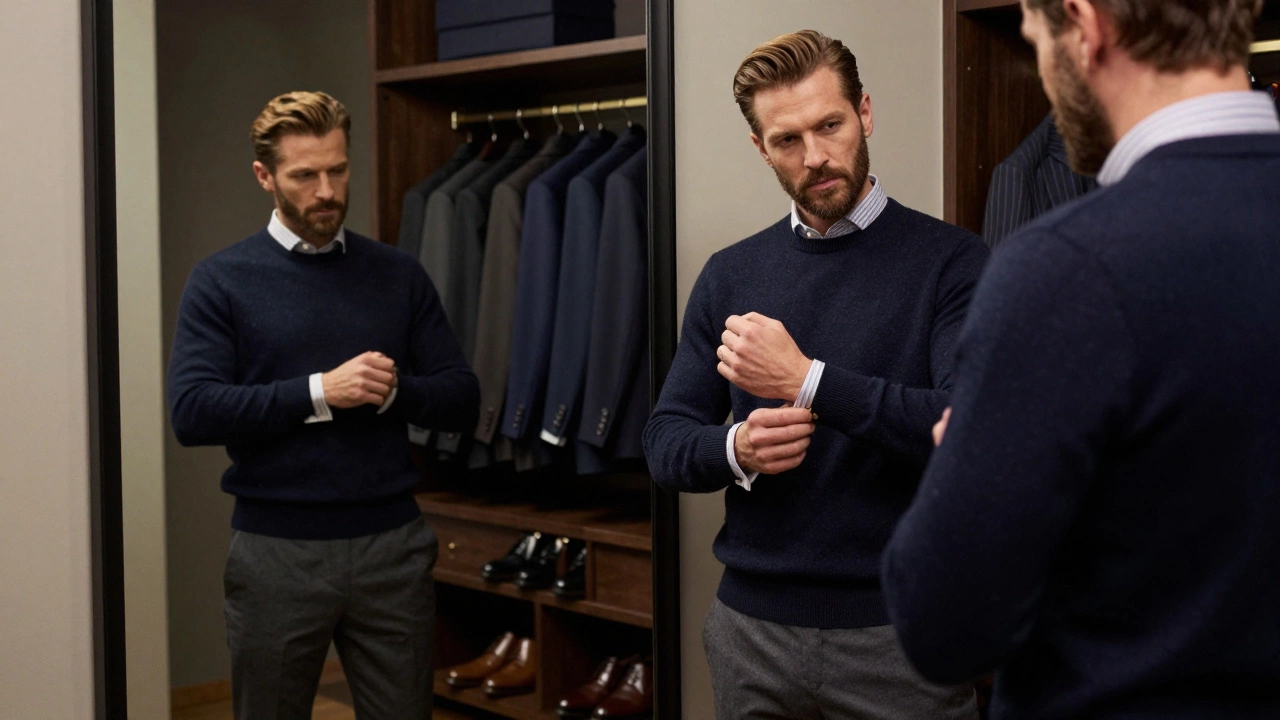
Dressing for success isn’t just about the clothes. It’s about the ritual. Getting dressed with intention changes how you think. When you take the time to button your shirt properly, tie your tie with care, polish your shoes-you’re not just preparing for the day. You’re preparing your mind.There’s a reason ancient warriors donned their armour before battle. It wasn’t just protection. It was a psychological shift. You become what you wear. So choose clothing that reflects the man you want to be: calm, capable, composed.
Don’t wait for permission to dress like someone who belongs. Start now. Wear the clothes that make you feel steady. The ones that remind you, even on a tough day, that you’ve got this.
Building a Capsule Wardrobe for Work
You don’t need 50 suits. You need five well-chosen pieces that work together.Start with these essentials:
- Two tailored navy or charcoal suits (one for formal meetings, one for daily wear)
- Five crisp white and light blue dress shirts
- Three solid-colour ties (navy, burgundy, charcoal)
- One patterned tie (subtle pinstripe or micro-dot)
- One wool or cashmere sweater (dark grey or navy)
- One well-fitted blazer (navy or charcoal)
- Two pairs of dark chinos (navy and charcoal)
- One pair of black oxfords
- One pair of dark brown derbies
- Three pairs of quality socks (navy, charcoal, black)
- One leather belt (black and brown)
With these, you can create 20+ combinations. And if one item wears out, replace it-not because it’s trendy, but because it’s essential.
Final Thought: Confidence Comes from Consistency
Success isn’t found in one perfect outfit. It’s built over weeks, months, years-through small, deliberate choices. The man who dresses well doesn’t do it for applause. He does it because he knows that how he presents himself is part of how he leads, how he earns trust, how he shows up for his work and his colleagues.So don’t overthink it. Don’t chase trends. Just choose quality. Fit well. Keep it clean. And wear it like it’s yours-not because you’re told to, but because you’ve earned the right to carry yourself with quiet authority.
Do I need to wear a suit every day to dress for success?
No. A suit is appropriate for client meetings, presentations, or formal environments, but many modern workplaces value smart-casual attire. The key is consistency in quality: tailored chinos, a well-fitted blazer, and polished shoes can be just as authoritative as a full suit-if worn with the same care.
Is it okay to wear dark jeans to work?
Only if your workplace culture explicitly allows it, and even then, they must be clean, unworn, and without distressing. Pair them with a structured jacket, a button-down shirt, and leather shoes. Avoid anything that looks like casual weekend wear.
How often should I replace my work clothes?
Replace items when they show signs of wear that can’t be fixed-frayed seams, thinning fabric, or soles that are worn through. A quality suit, if cared for, can last five to seven years. Shirts should be replaced every 18-24 months if worn weekly. Shoes should be resoled once a year if worn daily.
What’s the best way to store work clothes?
Hang suits and blazers on padded hangers to preserve shoulder shape. Fold knits to avoid stretching. Use cedar blocks instead of mothballs to protect wool. Keep shoes on wooden lasts or stuff them with tissue paper. A clean, organised wardrobe reflects a clear mind.
Can I wear a watch to work, or is it too flashy?
A simple, elegant watch is one of the most understated signs of professionalism. Avoid smartwatches in formal settings-opt for a classic analog piece with a leather or metal bracelet. It’s not about telling time. It’s about showing you value precision and restraint.