

Gentleman Qualities Assessment
Understanding Gentlemanly Traits
This assessment helps you identify the gentlemanly qualities you embody based on the core traits discussed in the article.
Select the option that most closely matches your typical behavior in each situation.
1. When you promise to do something for someone, how often do you follow through?
2. How do you typically react when someone corrects you in a group setting?
3. How do you respond when you notice someone seems uncomfortable or quiet?
4. When you feel frustrated or angry, how do you typically handle it?
5. When facing a difficult situation, what's your first response?
Your Gentlemanly Qualities Assessment
Your Score: /15
Gentlemanly QualitiesYour results show which gentlemanly qualities you most embody.
What Your Results Mean
Each of these traits represents a core quality of a gentleman. Your score indicates how often you embody each quality in your daily life.
A gentleman isn’t defined by what he wears, but by how he makes others feel. You can spot one across a room-not by the cut of his coat, but by the quiet way he holds space for someone else. He doesn’t need to announce himself. He simply exists with integrity, and those around him notice.
What a Gentleman Actually Is
The word ‘gentleman’ has been worn thin by movies, marketing, and social media. It’s been turned into a costume: bowtie, pocket square, cane. But the real thing? It’s deeper than that. A gentleman is someone who chooses to act with dignity, even when no one is watching. He doesn’t need applause. He doesn’t need to be seen as noble. He does what’s right because it’s the right thing to do.
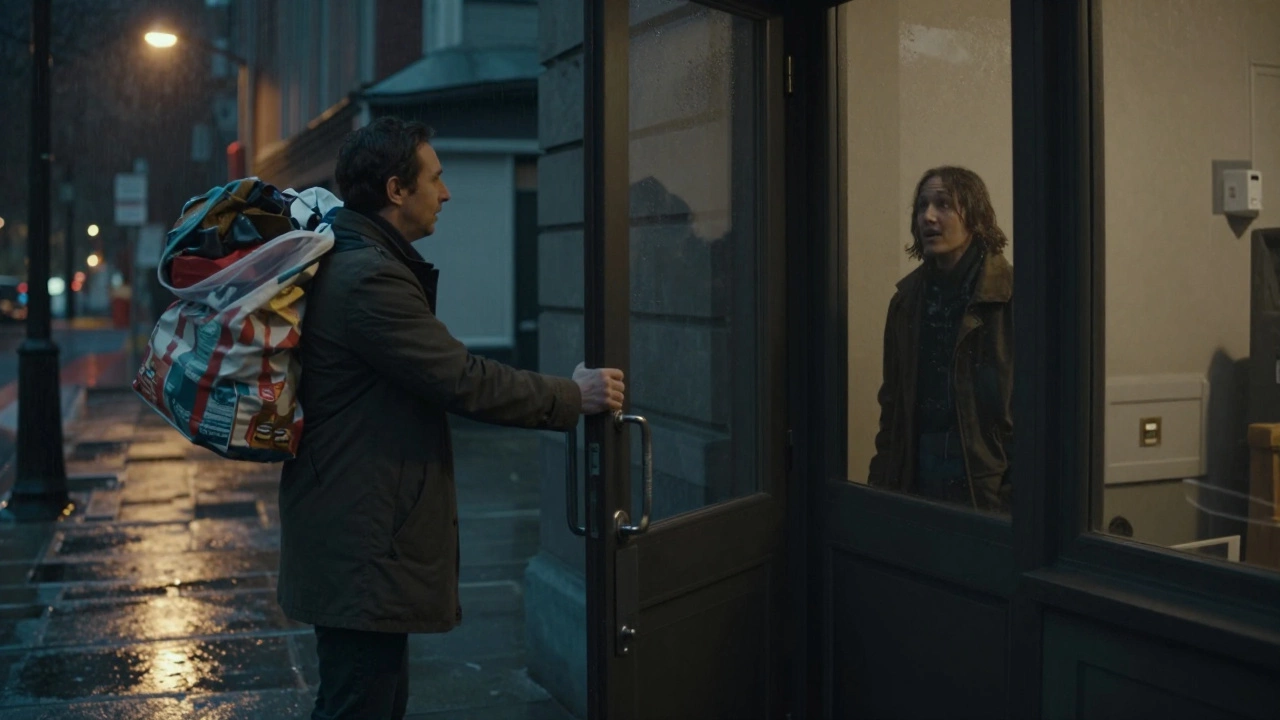
Think of him as the man who holds the door open not because it’s polite, but because he values the humanity of the person behind him. He listens more than he speaks. He doesn’t interrupt. He doesn’t dominate the conversation. He notices when someone is uncomfortable and finds a quiet way to ease it.
There’s a difference between being well-dressed and being well-mannered. One is external. The other is internal. The gentleman understands this.
The Core Traits of a Modern Gentleman
A gentleman today doesn’t live in the 19th century. He doesn’t wear monocles or carry a cane. But he carries something more enduring: consistency. Here are the traits that define him:
- Reliability - He keeps his word. If he says he’ll call, he calls. If he promises to be there, he shows up. No excuses. No theatrics.
- Humility - He doesn’t need to prove he’s better. He doesn’t name-drop. He doesn’t correct people in public. He leads by example, not by volume.
- Empathy - He notices when someone is quiet. He asks, “Are you okay?” and waits for the answer. He doesn’t rush to fix it. He just listens.
- Self-control - He doesn’t react in anger. He doesn’t lash out on social media. He walks away from nonsense. He chooses peace over pride.
- Grace under pressure - He doesn’t crumble when things go wrong. He doesn’t blame others. He adjusts, adapts, and moves forward without drama.
These aren’t traits you learn from a book. They’re habits you build over time-through small, quiet choices. The gentleman doesn’t wake up and decide to be noble. He wakes up and decides to be thoughtful. And over years, that adds up.
How to Explain Him to Someone Who’s Never Met One
If you’re trying to describe a gentleman to someone who’s only known loudness, arrogance, or performative kindness, start with contrast.
Imagine a room full of people talking over each other. Phones out. Voices raised. Everyone trying to be heard. Now imagine one man sitting quietly. Not because he’s shy. But because he’s present. He’s looking at the person speaking-not at his phone, not at the exit. He’s absorbing. Nodding. Waiting for his turn-not to speak, but to understand.
That’s him.
Or think of a man who receives bad news at work. He doesn’t slam his desk. He doesn’t send an angry email. He takes a breath. He asks for time. He processes. Then he responds with clarity, not emotion. That’s not weakness. That’s strength.
A gentleman doesn’t need to be the loudest. He doesn’t need to be the first. He doesn’t need to win every argument. He just needs to be steady.
Why the Gentleman Still Matters
In a world that rewards speed, noise, and outrage, the gentleman is an outlier. And that’s exactly why he matters.
He’s the counterbalance. He reminds people that character isn’t performative. That leadership isn’t about volume. That respect isn’t earned by claiming it-it’s earned by giving it.
Look around. How many men do you know who’ve stayed calm during a crisis? Who’ve apologized without being forced? Who’ve chosen silence over ego? Those men aren’t rare. But they’re the ones you remember. The ones you trust. The ones you want your son to become.
The gentleman doesn’t change the world with a speech. He changes it by being someone others feel safe around.
How to Become One
Becoming a gentleman isn’t about buying a better suit. It’s about building a better character. Start here:
- Practice listening - For the next week, make it your goal to listen more than you speak in every conversation. Don’t plan your response while they’re talking. Just hear them.
- Keep your promises - Even small ones. If you say you’ll send an email by 5 p.m., send it by 4:55. If you say you’ll call on Sunday, call. This builds trust-both in others and in yourself.
- Control your reactions - When something frustrates you, pause. Breathe. Count to three. Then respond. You’ll be surprised how often the need to react fades after a moment of stillness.
- Give without expectation - Compliment someone sincerely. Offer help without asking for thanks. Send a note to someone who’s had a hard week. Do it quietly. Don’t post it.
- Define your values - Write down three principles you refuse to compromise on. Stick to them. Even when it’s inconvenient. Even when no one’s watching.
There’s no finish line. There’s no badge. There’s no ceremony. Just the quiet accumulation of integrity.

What He Doesn’t Do
Let’s clear up some myths.
A gentleman doesn’t:
- Use his status to intimidate
- Make others feel small to feel big
- Boast about his achievements
- Use charm to manipulate
- Expect gratitude for kindness
He doesn’t need to be admired. He doesn’t need to be understood. He just needs to be true.
The Gentleman’s Quiet Legacy
He won’t be on the cover of a magazine. He won’t have a TED Talk. He won’t trend on social media.
But his children will remember how he spoke to their mother. His colleagues will recall how he handled a mistake. His friends will say, “I never had to wonder where I stood with him.”
That’s the legacy of a gentleman-not in headlines, but in heartbeats.
Be that man.