
The Gentleman’s Toast Architect
Follow the three-act structure: Context, Connection, Celebration.
Toast Preview
Fill out the steps on the left to see your toast take shape.
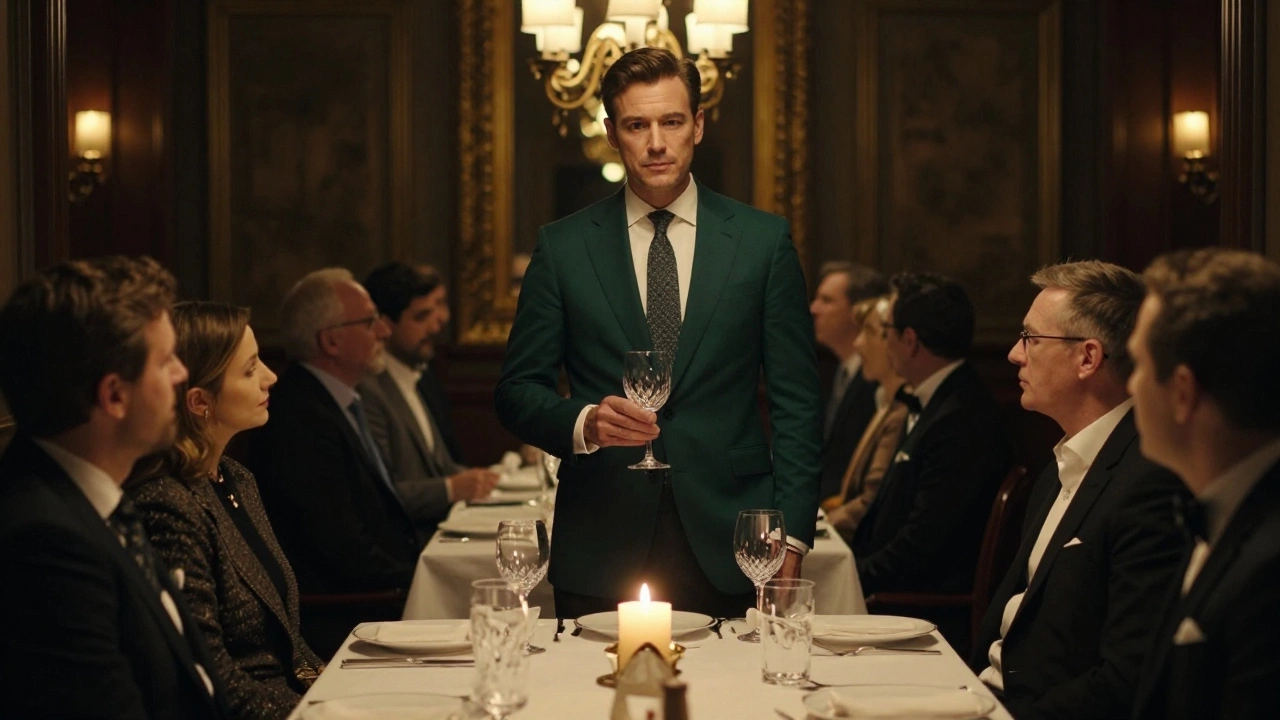
Your words will appear here in real-time.There is a specific kind of silence that falls over a room when someone stands up to speak. It is not empty; it is heavy with expectation. You can feel the eyes on you. For many men, this moment triggers a spike in adrenaline that feels less like excitement and more like impending doom. Yet, delivering a toast is one of the most effective ways to demonstrate social grace, leadership, and genuine care for those around you.
You do not need to be a professional orator to command respect at a dinner table. In fact, the best speeches are rarely theatrical. They are grounded, sincere, and brief. Whether you are addressing colleagues after a merger, friends at a wedding, or family during a holiday gathering, the principles remain the same. The goal is not to entertain with jokes, but to connect with truth.
Why do I feel nervous before giving a toast?
Nervousness stems from the fear of judgment and the pressure to perform. Remember that the audience wants you to succeed. They are on your side. Shift your focus from "how do I look?" to "what value am I offering them?" This reframing reduces anxiety significantly.
The Architecture of a Great Speech
A common mistake is to ramble. Without structure, thoughts scatter, and the audience loses interest within seconds. Think of your toast as a three-act play, condensed into two minutes. This structure provides a safety net for your mind and a clear path for your listeners.
First, establish the context. Why are we here? Who is being honored? This grounds the room. Second, share a personal anecdote or observation. This is the heart of the speech. It should reveal a character trait of the honoree or a shared memory that resonates with the group. Finally, deliver the wish. This is the actual "toast"-a forward-looking statement of hope or celebration.
Consider the anatomy of a successful tribute. If you are toasting a colleague, start by acknowledging their recent achievement. Then, share a brief story about a time they demonstrated integrity or resilience under pressure. End by wishing them continued success in their next chapter. This flow-Context, Connection, Celebration-is timeless because it respects the listener’s intelligence and time.
Preparation: The Quiet Work
Confidence is not something you fake; it is something you prepare for. You would not walk into a boardroom without knowing your numbers, so why step up to a microphone without knowing your words? Preparation does not mean memorizing a script word-for-word. That leads to robotic delivery and panic if you forget a line. Instead, outline your key points.
Write down three bullet points. One for the opening, one for the core story, and one for the closing wish. Keep these notes in your pocket or on a small card. Having a physical anchor reduces cognitive load. When you know exactly where you are going, your voice steadies. Your posture improves. You stop performing and start communicating.
Practice aloud. Not in your head, but out loud. Stand in front of a mirror or record yourself on your phone. Listen to the recording. Do you sound natural? Are there filler words like "um" or "like" creeping in? Refine until the language feels like something you would actually say in conversation. Authenticity is the highest form of sophistication.
How long should a toast be?
Aim for 60 to 90 seconds. Anything longer risks losing the audience's attention. Shorter speeches are often more impactful because they force you to distill your message to its essence. Respect everyone's time by being concise.
Body Language and Presence
Your message is delivered through your body as much as your voice. Before you even speak, you set the tone. Stand tall, shoulders back, feet planted firmly on the ground. Avoid shifting your weight from foot to foot; it signals insecurity. Planting your feet creates a sense of stability that translates visually to confidence.
Maintain eye contact. Do not scan the room vaguely. Pick three people-one left, one center, one right-and address them directly. This makes the speech feel intimate rather than broadcasted. If you are holding a glass, hold it securely but loosely. White-knuckling your drink suggests tension. Relax your grip.
Wait for silence before you begin. If the room is noisy, raise your hand slightly or pause confidently. People will quiet down. Rushing in while others are talking diminishes your authority. Silence is a tool. Use it to gather attention, then release it with your first sentence.
The Art of the Anecdote
The middle section of your toast is where you earn your keep. This is the story. But not just any story. Choose an anecdote that illustrates a virtue. Did your friend show incredible patience during a crisis? Did your partner surprise you with kindness when you were struggling? Specificity is powerful.
Avoid inside jokes that exclude half the room. The goal is inclusion, not exclusion. If a story requires five minutes of backstory to understand, discard it. Look for moments that are universally relatable. Humor is welcome, but it should be gentle and self-deprecating if used. Never make fun of the person you are toasting. Laughter should come from warmth, not mockery.
Think of the anecdote as a lens. It focuses the light on the best qualities of the subject. By highlighting their strengths through a specific event, you validate their efforts and remind everyone present why they are valued. This creates a positive emotional resonance that lingers long after the glasses are put down.
Can I use humor in my toast?
Yes, but keep it light and respectful. Self-deprecating humor works well because it shows humility. Avoid sarcasm or jokes that could be misinterpreted. The primary goal is to honor the recipient, not to showcase your wit.

Handling the Unexpected
Things go wrong. Microphones fail. Glasses clink too loudly. Someone interrupts. A true gentleman remains composed in chaos. If you lose your place, pause. Take a sip of water. Breathe. No one expects perfection. They expect humanity. Acknowledging a stumble with a slight smile can actually endear you to the audience.
If you are interrupted, wait patiently for the speaker to finish, then continue seamlessly. Do not argue or compete for volume. Grace under pressure is noticed. It speaks volumes about your character. Remember, the audience is not judging your mistakes; they are supporting your effort. Trust them.
What if you get emotional? Throat tightens, eyes water. This is normal. It shows you care. Pause. Let the emotion settle. Speak slower. Slowing down gives you control and allows the sentiment to land more deeply. Vulnerability, when controlled, is a strength, not a weakness.
The Closing Wish
The final part of the toast is the invitation to join in. It should be clear, uplifting, and direct. Raise your glass slightly higher than usual. Make eye contact with the honoree. State your wish simply. "To health," "To new beginnings," or "To [Name] and their journey."
Keep it short. The power lies in the collective act of raising glasses, not in the length of the phrase. After you state the wish, take a sip. Wait for others to follow. Do not rush off the stage. Stay for a moment, accept nods or applause with a humble nod, and then return to your seat. Exit as gracefully as you entered.
This final gesture seals the impression. It shows that you understand the ritual. You have honored the moment, respected the audience, and celebrated the individual. That is the mark of a man who knows how to navigate social spaces with ease and dignity.
What should I wear when giving a toast?
Dress appropriately for the occasion. At formal events, a suit or tuxedo is expected. Ensure your attire is clean and well-fitted. Your appearance should reflect respect for the event and the people attending. Comfortable shoes are also important since you may be standing for a period.
Common Pitfalls to Avoid
Even well-intentioned speakers can derail a moment with poor choices. Here are the traps to sidestep:
- Drinking too much beforehand: Alcohol lowers inhibitions but also impairs clarity. Have one drink to relax, but stay sharp. Slurred speech undermines your message.
- Reading from a phone: It looks casual and distracted. Use a small notecard if needed. Phones emit light and suggest disconnection.
- Making it about you: The toast is for someone else. Limit self-referential stories unless they directly highlight the honoree.
- Ignoring the audience: Speaking only to the honoree alienates the rest of the room. Include everyone in your gaze and language.
Avoid clichés. Phrases like "happy ever after" or "cheers to success" are lazy. Craft original sentiments that reflect your genuine relationship with the subject. Originality shows effort. Effort shows respect.
What if I am asked to give a toast unexpectedly?
Stay calm. Ask for a moment to collect your thoughts. Use the simple structure: Context, Connection, Celebration. Keep it brief and sincere. Honesty beats polish in spontaneous situations.

Practical Checklist for Success
To ensure you are fully prepared, run through this quick checklist before the event:
- Define the purpose: What is the single main point you want to convey?
- Select the story: Choose one specific anecdote that supports your point.
- Draft the wish: Write a clear, positive closing statement.
- Time yourself: Practice reading it aloud. Aim for under two minutes.
- Check your attire: Ensure you look polished and appropriate.
- Prepare your materials: Have your notecard ready and your glass filled (but not overflowing).
This preparation takes twenty minutes but saves you from hours of regret. It transforms anxiety into anticipation. You are no longer hoping for the best; you are creating it.
The Power of Presence
Ultimately, a toast is an exercise in presence. It requires you to be fully in the moment, connected to others, and articulate in your appreciation. In a world of digital distractions, taking the time to stand up and speak sincerely is a radical act of attention.
It signals that you value the people around you enough to honor them publicly. It demonstrates that you possess the composure to handle scrutiny and the empathy to celebrate others. These are traits that define modern masculinity-not dominance, but stewardship of relationships and moments.
When you master the art of the toast, you unlock a deeper level of social fluency. You become someone who can elevate a room, comfort a friend, and lead with quiet authority. Practice these steps. Refine your approach. And remember, the goal is not perfection. The goal is connection.
How do I recover if I forget my lines?
Pause and breathe. Smile. Say, "Please bear with me, I'm finding my words." Most audiences will appreciate your honesty. Refer to your notes if available. If not, summarize the main point simply. Authenticity recovers from mistakes better than pretense.
Final Thoughts on Etiquette
Etiquette is not about rigid rules. It is about making others feel comfortable and valued. A confident and polite toast achieves exactly that. It brings people together in a shared moment of appreciation. It reinforces bonds and celebrates achievements.
As you prepare for your next opportunity to speak, remember that your voice matters. Use it wisely. Speak with clarity, kindness, and conviction. The world needs more men who can communicate with grace and depth. Start with a toast. Build from there.