

Rejection Response Simulator
Select a scenario below and choose the response that best reflects a "Gentleman's Guide" approach to rejection.
The Ghosting
She stopped replying after two dates.
The Direct No
She says she doesn't feel a romantic connection.
The Friend Zone
She wants to stay friends but not date.
Choose Your Response:
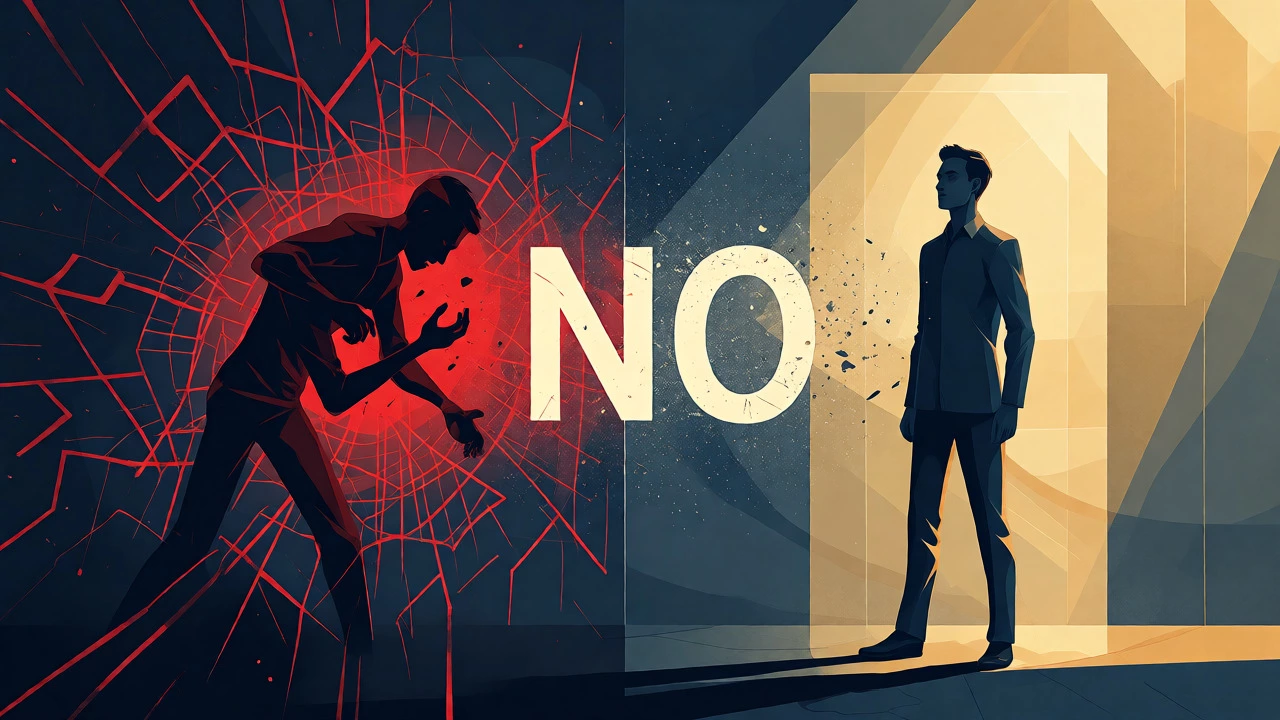
Rejection stings. It is a primal pain, wired into our biology as a warning signal that we are being cast out from the tribe. But in modern dating, rejection isn’t exile; it’s simply data. For many men, the sting of a "no" feels like a verdict on their worthiness. It triggers a spiral of self-doubt, anger, or withdrawal. Yet, the most composed and successful men view rejection not as a failure, but as a necessary filter. How you handle that moment defines your character far more than how you handled the date itself.
This guide explores emotional resilience in the context of romantic pursuits. We will look at why rejection hurts, how to respond with dignity, and how to use these moments to refine your standards and strengthen your sense of self. Whether you are navigating apps or meeting someone through friends, mastering this skill transforms dating from a source of anxiety into a journey of self-discovery.
The Psychology Behind the Sting
To handle rejection, you must first understand it. The human brain processes social rejection in the same regions that process physical pain. When someone says they aren’t interested, your amygdala-the brain’s threat detector-fires up. This is an evolutionary holdover. Thousands of years ago, being rejected by your group meant death. Today, it just means you didn’t get a second date. Recognizing this biological mismatch helps you separate the feeling from the reality.
Most men react to rejection in one of three ways: denial, aggression, or devaluation. Denial looks like texting again the next day hoping for a different answer. Aggression manifests as bitterness or blaming the other person. Devaluation involves telling yourself she wasn’t good enough anyway. None of these serve you well. They stem from ego protection rather than truth-seeking. A gentleman acknowledges the pain without letting it dictate his behavior. He understands that compatibility is complex, often invisible, and rarely personal.
Responding with Grace and Dignity
The immediate aftermath of rejection requires restraint. Your instinct might be to ask "why?" or to try and convince them otherwise. Resist this urge. Clinging suggests you value their validation more than your own time. Instead, offer a brief, gracious acknowledgment. A simple "I appreciate your honesty, and I wish you the best" closes the loop cleanly. It signals confidence and respect.
Consider the difference between two responses after a woman declines a third date:
- The Reactive Response: "Really? I thought we had a connection. Is it because I’m too busy? I can make more time." (This seeks approval and reveals insecurity.)
- The Composed Response: "Understood. It was great getting to know you. Best of luck." (This accepts reality and maintains dignity.)
The composed response preserves your energy. It also leaves a positive final impression. People remember how you made them feel when things ended, not just when they began. By handling a "no" with grace, you demonstrate high value. You show that your happiness does not depend on their yes.
Decoding Compatibility vs. Chemistry
A common mistake is interpreting rejection as a judgment on your total worth. In reality, rejection is usually about fit. You could be objectively attractive, successful, and kind, yet still incompatible with someone’s specific needs or timing. Compatibility involves lifestyle alignment, communication styles, and long-term goals. Chemistry is the immediate spark. Sometimes, the chemistry is there, but the compatibility isn’t. Or vice versa.
Think of it like hiring. A company might reject a highly qualified candidate not because the candidate is bad, but because they need someone who works nights, while the candidate prefers mornings. The candidate’s skill set remains intact. Similarly, if someone rejects you, it doesn’t mean you lack value. It means you weren’t the right puzzle piece for their specific gap at that moment.
| Misconception | Reality | Gentleman’s Action |
|---|---|---|
| "They rejected me because I am inadequate." | They lacked the capacity or desire for what you offered. | Reflect on your offer; don’t diminish your self-worth. |
| "If I try harder, they will change their mind." | Attraction cannot be negotiated; it is felt or not felt. | Accept the decision gracefully; move forward quickly. |
| "Rejection means I should stop dating." | Rejection is part of the selection process. | View it as filtering out non-matches efficiently. |
Using Rejection as Feedback
While you shouldn’t obsess over every detail, rejection offers valuable feedback loops. If you face repeated rejections at the initial stage (e.g., no matches on apps or no second dates), examine your presentation. Are your photos clear and recent? Is your profile authentic? These are controllable variables.
If you face rejections later in the dating process (after several dates), the issue may lie in compatibility or pacing. Did you reveal too much too soon? Did you fail to listen actively? Use these instances to calibrate your approach. Ask yourself: Was I trying to impress, or was I connecting? Trying to impress creates pressure; connecting creates ease. Men who focus on genuine curiosity rather than performance tend to navigate rejection with less friction.
However, beware of over-analysis. Not every rejection has a lesson. Sometimes, people are busy, confused, or simply not ready. If you find yourself dissecting every micro-interaction, you risk paralysis. Aim for balanced reflection: learn what you can control, release what you cannot.
Maintaining Self-Worth Outside Dating
The healthiest way to handle rejection is to have a life that doesn’t revolve around finding a partner. When your identity is solely tied to being "single" or "looking," rejection feels catastrophic. When your identity is rooted in your career, hobbies, friendships, and values, rejection is merely a minor inconvenience.
Cultivate a robust support network. Invest in your physical health through consistent training. Pursue intellectual interests. A man who is fulfilled in multiple areas of life approaches dating from a place of abundance, not scarcity. He knows he has plenty to offer, so losing one potential connection doesn’t deplete his reserves. This internal stability radiates outward, making you more attractive and resilient.
Consider the concept of self-concept clarity. This psychological term refers to how clearly and consistently you define who you are. High self-concept clarity buffers against rejection. If you know your values and boundaries, a rejection confirms that the other person didn’t align with them, which is useful information, not a criticism.

Practical Steps for Moving Forward
Once the initial sting fades, take concrete steps to reset. Do not rush into another date immediately to fill the void. That often leads to rebound dynamics where you compare the new person to the old one unfairly.
- Sit with the discomfort: Allow yourself 24-48 hours to feel disappointed. Suppressing emotions leads to leaks later.
- Disconnect digitally: Mute or unfollow their social media temporarily. Seeing their updates keeps the wound open.
- Engage in physical activity: Exercise metabolizes stress hormones like cortisol. Go for a run, lift weights, or play a sport.
- Reconnect with friends: Social bonding releases oxytocin, which counteracts the isolation of rejection.
- Review your standards: Ensure you are pursuing people who actually meet your criteria, not just anyone available.
Remember, the goal of dating is not to avoid rejection, but to find mutual enthusiasm. If you never experience rejection, you are likely settling for low standards or ignoring red flags. Embrace the filter. It protects your time and energy for those who truly resonate with you.
Frequently Asked Questions
Is it okay to ask for reasons after rejection?
Generally, no. Asking "why" can put the other person on the defensive and often yields polite lies rather than honest truths. It can also come across as seeking validation. Accept the decision at face value unless you have a very close, platonic friendship where constructive feedback is established.
How long should I wait before dating again?
There is no fixed rule. Wait until you feel neutral about the previous interaction. If you still feel angry, sad, or eager to prove yourself, you aren’t ready. For some, this takes days; for others, weeks. The key is ensuring you enter the next dynamic from a place of interest, not desperation.
Does rejection mean I’m unattractive?
Absolutely not. Attraction is subjective and multifaceted. Someone may reject you due to timing, past trauma, differing lifestyle goals, or simply a lack of chemistry despite your objective qualities. Rejection indicates a mismatch, not a defect.
Should I stay friends with someone who rejected me?
Only if you genuinely want the friendship and can let go of romantic hope. Staying friends to keep a foot in the door usually breeds resentment. If you see potential for a platonic bond, give it space first. Otherwise, it is perfectly acceptable to part ways respectfully.
How do I stop taking rejection personally?
Shift your focus from outcome to process. View dating as an opportunity to meet interesting people and practice social skills. Detach your self-esteem from the result. Remind yourself that their inability to recognize your value is a limitation of their perspective, not a measure of your worth.