
Gentleman's Outfit Harmony Checker
Select components below to see how they interact. The tool analyzes color harmony, texture clash, and visual weight to give you a 'Style Score'.
Analysis
- Adjust selections to see feedback.
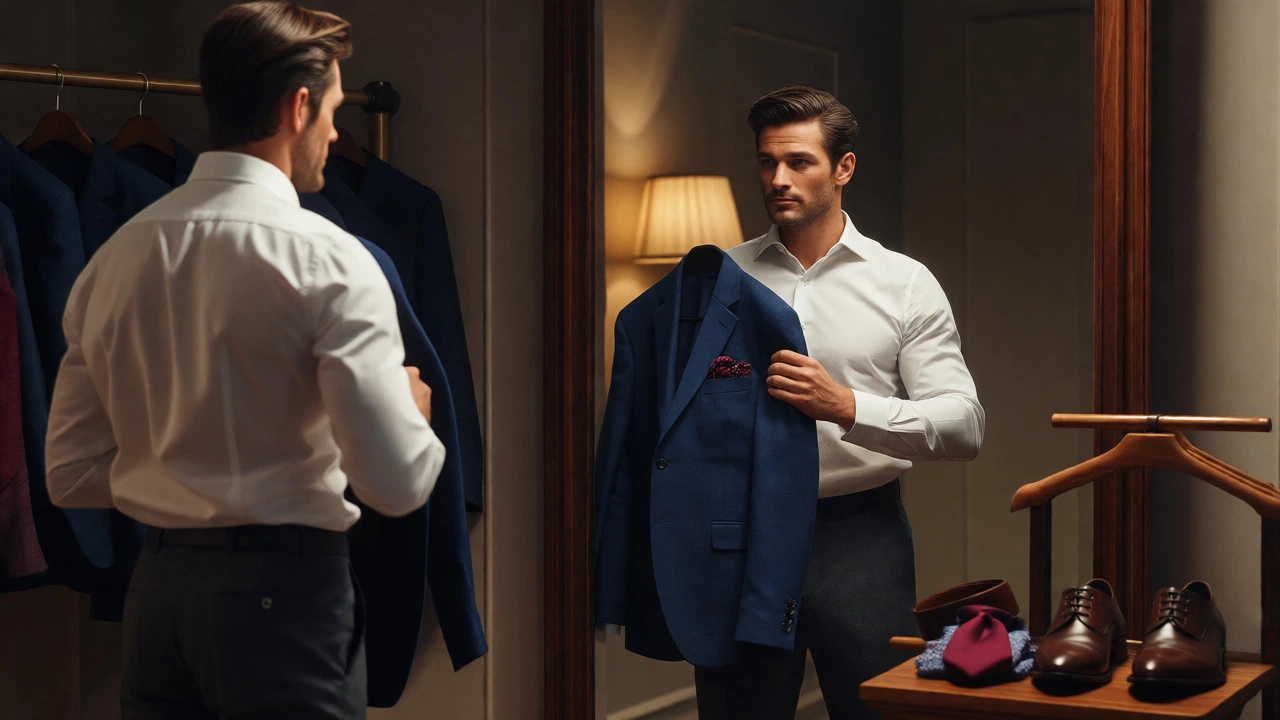
You stand before the mirror, shirt half-tucked, tie loosely held. The colors clash. The textures fight for attention. It is a familiar moment of hesitation that plagues even the most well-stocked wardrobes. Matching clothes isn't about following rigid rules or buying expensive brands. It is about understanding how pieces interact to create a unified visual statement. When your outfit coheres, you move with quiet confidence. When it doesn't, you spend the day wondering if your socks are too loud.
The core principle is simple: color coordination should feel effortless, not forced. This guide breaks down the mechanics of building outfits that look intentional. We will cover the science of color, the importance of texture, and the subtle art of proportion. By the end, you will have a clear framework for assembling looks that work for the boardroom, the weekend, or anywhere in between.
The Foundation: Understanding Color Harmony
Most men approach color with fear. They stick to navy and grey because they know these shades do not offend. But sticking to neutrals forever limits your presence. The solution lies in basic Color Theory, which is the study of how colors mix, match, and contrast. You do not need an artist’s eye. You need a map.
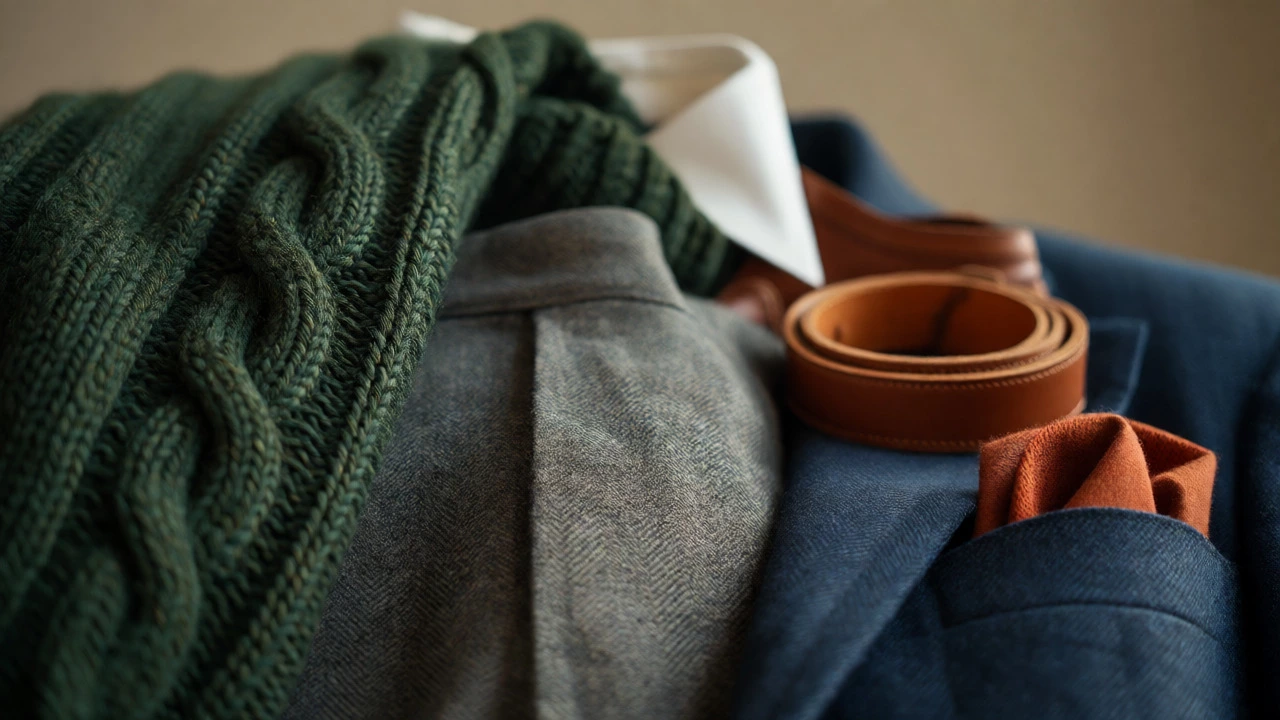
Think of the color wheel as a tool for decision-making. Colors opposite each other (complementary) create high energy and contrast. Blue and orange, for instance, pop against one another. Use this sparingly. If you wear a navy suit, an orange pocket square adds vibrancy without overwhelming the eye. Colors next to each other (analogous) create harmony and calm. A forest green sweater with khaki trousers sits comfortably on the spectrum. This combination feels natural because our eyes process these hues as related.
For daily wear, the monochromatic approach is underrated. Wearing different shades of the same color-light blue shirt, medium blue tie, dark blue jacket-creates a sleek, elongated silhouette. It draws the eye up and down rather than side to side. This technique works exceptionally well for shorter men or those wanting a streamlined look in professional settings.
Texture: The Secret Weapon of Style
If color is the melody, texture is the rhythm. Two identical navy blazers can look entirely different depending on their fabric. One might be smooth worsted wool, sharp and formal. The other could be tweed, rough and tactile. Mixing textures prevents an outfit from looking flat, especially when you are working within a neutral palette.
Consider the interplay between matte and sheen. A crisp cotton oxford shirt has a slight luster compared to a rough linen trouser. This contrast adds depth. In colder months, pair a chunky cable-knit sweater with tailored wool trousers. The bulk of the knit balances the structure of the pants. In summer, a lightweight seersucker jacket pairs beautifully with plain cotton chinos. The pucker of the seersucker contrasts with the smoothness of the cotton.
Avoid mixing too many heavy textures at once. A corduroy jacket, flannel shirt, and denim jeans can feel cluttered. Pick one dominant textured piece and let the others support it. This restraint shows maturity. It signals that you understand balance, not just trends.
Proportion and Fit: The Silent Architects
No amount of perfect color matching saves an ill-fitting garment. Tailoring is the adjustment of clothing to fit the wearer's body precisely. It is the single highest-return investment in your wardrobe. Off-the-rack clothes are designed for average bodies, but few of us are average. Shoulders that droop or sleeves that swallow your hands break the line of the outfit immediately.
Pay attention to the relationship between top and bottom. If you wear a bulky jacket, slim trousers often provide better balance. Conversely, wide-leg trousers look best with a fitted top. This rule of thirds helps visually divide the body into pleasing proportions. A jacket that ends mid-hip can shorten the legs; one that hits just below the belt line elongates them.
Check your collar gap. When you button your jacket, there should be no visible space between your neck and the shirt collar. If there is, the shirt is too big or the jacket is too tight. Small details like this communicate care. They tell people you pay attention to the small things, which translates to reliability in other areas of life.
The Role of Accessories: Subtle Signals
Accessories are not afterthoughts. They are punctuation marks in the sentence of your outfit. A watch, a belt, and shoes form the foundational trio. Traditionally, leather goods should match in tone. Dark brown shoes with a black belt look disjointed. Tan shoes with a tan belt feel cohesive. However, modern style allows for some flexibility. A dark brown belt with cognac shoes can work if the tones are close enough.
Socks offer a safe place to experiment. If your suit is conservative, bold socks add personality without risk. Geometric patterns or solid bright colors draw the eye downward, balancing a busy upper body. Ties serve a similar function. If your shirt has a pattern, keep the tie solid or subtly textured. If your shirt is plain, a patterned tie adds interest. Never let two large-scale patterns compete directly unless you have mastered scale mixing.
| Item | Guideline | Common Pitfall |
|---|---|---|
| Belt & Shoes | Match leathers within one shade tier (e.g., both dark brown). | Mixing black and brown haphazardly. |
| Tie & Shirt | Contrast scale (small pattern vs. large pattern) or solid vs. pattern. | Clashing stripes of similar width. |
| Watch Strap | Complement the metal of your cufflinks or ring. | Wearing a sporty rubber strap with a tuxedo. |
| Pocket Square | Complement, do not match exactly. | Using the exact same fabric as the tie. |

Contextual Dressing: Reading the Room
Style is not static. It adapts to context. A charcoal suit works for a funeral, a wedding, and a business meeting, but the accessories change everything. For a funeral, keep it somber. Black tie, white shirt, no flash. For a daytime wedding, a light grey suit with a pastel tie feels appropriate. For a boardroom presentation, a navy suit with a crisp white shirt commands authority.
Consider the season. Light fabrics reflect heat and signal ease. Heavy fabrics absorb light and signal seriousness. Wearing linen in winter looks out of place. Wearing velvet in July feels stifling. Aligning your fabric choices with the weather shows practical intelligence. It also ensures comfort, which affects your posture and demeanor. Uncomfortable men look tense. Comfortable men look composed.
Know your environment. A creative agency may welcome bold colors and unconventional cuts. A law firm expects tradition. Err on the side of caution when unsure. It is easier to dress down slightly than to overdress awkwardly. Observe what respected figures in your field wear. Mimic their level of formality, then inject your own personality through accessories or fit.
Building a Capsule Wardrobe for Ease
Decision fatigue is real. If every morning requires complex matching calculations, you will default to the same three outfits. Build a capsule wardrobe where most items mix and match. Start with core neutrals: navy, grey, white, black, and beige. These colors coordinate with almost anything. Add accent colors slowly. A burgundy sweater works with grey, navy, and khaki. An olive green jacket pairs with denim, tan, and cream.
Quality over quantity remains the golden rule. Five well-made shirts beat fifteen cheap ones. Cheap fabrics pill, fade, and lose shape quickly. High-quality materials age gracefully. They drape better and hold their color. Invest in staples first: a good white shirt, dark denim, a navy blazer, and versatile chinos. Expand only when you have gaps in your rotation.
Regular maintenance extends the life of your clothes. Steam garments instead of ironing when possible. Rotate shoes so they dry completely between wears. Dry clean sparingly to preserve fabric integrity. Treating your clothes with respect ensures they treat you well in return.
Can I wear brown shoes with a black suit?
Generally, no. Brown shoes with a black suit create a stark contrast that can look unpolished. Stick to black shoes for black suits. If you want to wear brown, choose a charcoal or navy suit instead.
How many colors should I wear in one outfit?
Aim for three main colors maximum. This keeps the look clean and focused. You can include neutral shades like white or black as supporting elements, but limit distinct hues to avoid visual clutter.
Is it okay to mix patterns like stripes and checks?
Yes, but vary the scale. Pair thin stripes with large checks, or vice versa. Ensure the colors share at least one common hue to tie the patterns together. Start with subtle patterns before attempting bold combinations.
What is the best way to start experimenting with color?
Start with accessories. A colorful tie, pocket square, or sock is low-risk. Once comfortable, introduce colored shirts or sweaters. Keep your jackets and trousers neutral initially to ground the look.
Does fit really matter more than brand?
Absolutely. A perfectly fitted inexpensive suit looks superior to an ill-fitting designer one. Tailoring adjusts the garment to your unique body shape, creating lines that flatter your physique regardless of the label.