

Micro-Habit Tracker
Start Your Micro-Habit
Enter your small, sustainable action. Example: '5 min morning walk' or '1 grateful thought'
Life has a way of derailing even the best-laid plans. Maybe it was a busy season at work, a personal challenge, or simply losing momentum. But here’s the truth: restarting self-improvement isn’t about starting from scratch-it’s about rebuilding with intention.
The Myth of the Perfect Restart
Many people believe that restarting self-improvement requires a clean slate-quitting all bad habits at once and diving into a rigid routine. But this approach often leads to burnout. Consider this: if you tried to overhaul your entire lifestyle overnight, would you stick with it? Probably not. Instead, focus on one small habit. For example, commit to five minutes of mindfulness each morning. This isn’t about grand gestures; it’s about creating a foundation you can build on. Research from the European Journal of Social Psychology shows habit formation takes an average of 66 days. Starting small gives you the space to adapt without pressure.
Start Small: The Power of Micro-Habits
Think of self-improvement like building a house. You wouldn’t start with the roof-you’d begin with the foundation. A micro-habit is a tiny action that fits seamlessly into your day. It could be as simple as drinking a glass of water first thing in the morning or writing down one thing you’re grateful for. These small actions compound over time. For instance, a professional I know started by dedicating 10 minutes each day to reading industry articles. Within three months, he’d built a consistent learning habit that boosted his career. The key is to choose something so easy you can’t say no. If you’re struggling to start, ask: 'What’s the smallest step I can take right now?'
Design Your Environment for Success
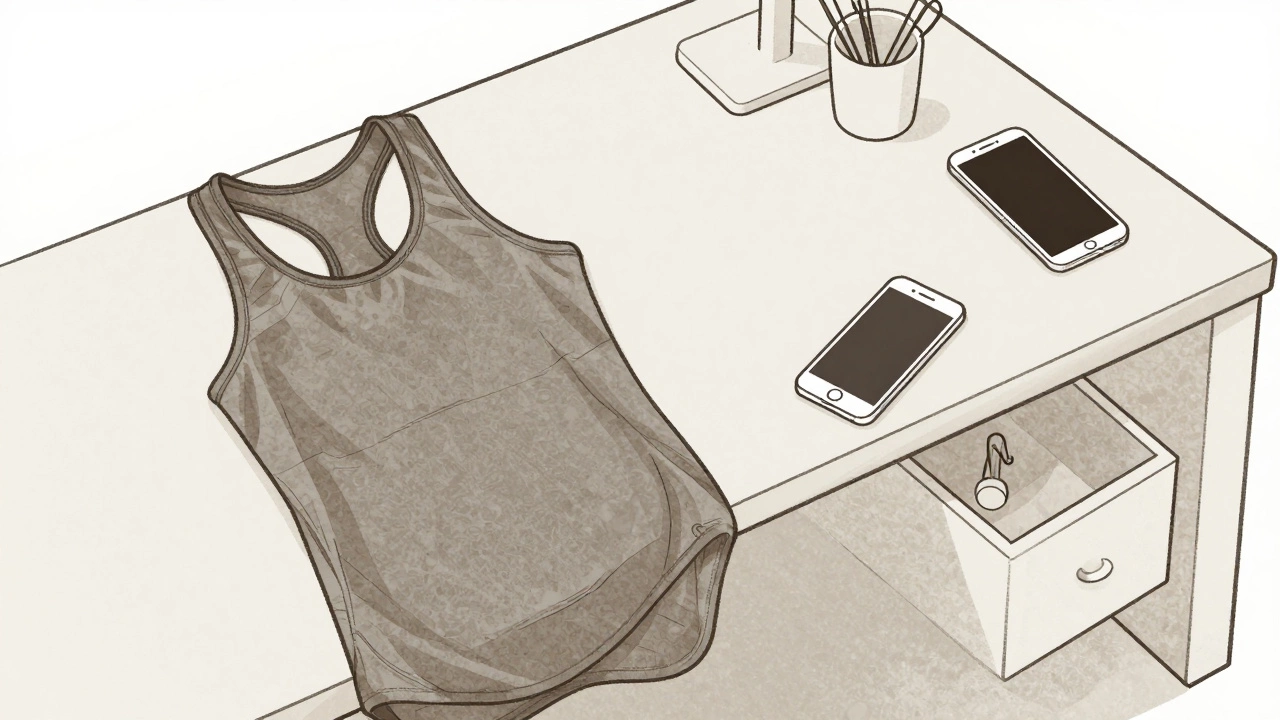
Your surroundings shape your habits more than you realize. A cluttered desk leads to scattered focus. A tidy workspace, on the other hand, creates mental clarity. Research from the Journal of Environmental Psychology found that a clean workspace can improve productivity by 20%. Start by clearing one area of your home or office. Remove distractions-put your phone in another room during focused work. If you want to exercise more, lay out your gym clothes the night before. These small environmental tweaks remove friction and make positive habits effortless. Environment design isn’t about perfection; it’s about reducing the effort needed to do the right thing.
Track Progress Without Obsession
Tracking progress is crucial, but obsessing over numbers can backfire. Instead of daily checklists that feel like chores, use a simple journal. Write down one win each day-no matter how small. Maybe you finished a project on time or took a walk. This builds momentum without pressure. A 2018 study in the Journal of Positive Psychology showed that people who tracked small wins consistently felt 30% more motivated. Remember: progress isn’t always linear. Some days you’ll feel unstoppable; others, you’ll just need to keep going. That’s okay. The goal is consistency, not perfection.
- Keep a physical journal-no apps needed
- Focus on one positive action per day
- Review weekly instead of daily

Cultivate Self-Compassion
Self-criticism is the enemy of progress. When you slip up-missing a workout, skipping a meditation session-respond with kindness, not judgment. Treat yourself as you would a close friend. A 2020 study in the Journal of Personality and Social Psychology found that self-compassion increases resilience by 25%. Instead of saying, 'I failed,' try, 'I’m learning.' This mindset shift turns setbacks into opportunities. For example, if you miss a week of workouts, don’t abandon the habit. Just restart the next day. Self-compassion isn’t about lowering standards; it’s about sustaining motivation through challenges.
Real-World Example: A Gentleman’s Routine
Take James, a 38-year-old finance professional. After a hectic year, he felt stuck. He started with one micro-habit: a 10-minute walk every morning. No phone, just fresh air. Within weeks, he noticed improved focus at work. Then he added five minutes of journaling to reflect on his day. Slowly, he built a routine that included reading before bed and weekly planning sessions. The key? He didn’t try to change everything at once. Each step was small and sustainable. Now, two years later, his routine has become second nature. He’s more productive, less stressed, and better equipped to handle life’s challenges. This is the essence of personal growth: incremental progress that aligns with your values.
How do I stay motivated when progress feels slow?
Motivation fluctuates-that’s normal. Instead of waiting for motivation, focus on building routines. When you commit to small, consistent actions, they become automatic over time. For example, a morning walk becomes a habit after 30 days, regardless of how you feel. Remember: progress isn’t about feeling motivated; it’s about showing up. As the saying goes, 'You don’t have to be great to start, but you have to start to be great.'
What’s the best way to track habits without stress?
Use a physical journal. Write one positive action per day-no metrics, no pressure. For instance: 'Read 10 pages,' 'Took a walk,' or 'Prepared a healthy lunch.' Review weekly to see patterns, not daily perfection. This approach reduces anxiety while keeping you accountable. Studies show that simple tracking methods increase long-term adherence by 40% compared to complex apps.
How do I handle setbacks without guilt?
Treat setbacks as data, not failure. Ask: 'What can I learn from this?' For example, if you skip a workout, it might mean you need better sleep or a simpler routine. Self-compassion isn’t about excusing mistakes; it’s about understanding them. Research shows people who practice self-compassion bounce back 25% faster than those who self-criticize. Remember: resilience is built through how you respond to challenges, not avoiding them.
Can self-improvement fit into a busy schedule?
Absolutely. Start with 5 minutes a day. A 2021 Harvard Business Review study found that micro-habits-like two minutes of deep breathing before a meeting or a 10-minute walk during lunch-can significantly improve focus and energy. The key is to integrate habits into existing routines. For instance, do a quick stretch while waiting for your coffee. Small actions add up without overwhelming your day.
What’s the biggest mistake people make when restarting?
Trying to do too much too soon. Overhauling your entire life at once creates unsustainable pressure. Instead, pick one habit and master it before adding another. For example, if you want to improve fitness, start with daily walking-not a full gym regimen. Mastery of one area builds confidence for the next step. This approach is backed by neuroscience: the brain forms new habits more effectively when changes are gradual and focused.