
Beard Care Routine Builder
Select your options and click "Generate My Routine" to see your custom plan.
You’ve grown it. It’s thick, it’s full, and you’re proud of it. But then you catch your reflection in a shop window and notice the patchy dryness near the chin or the way the hairs stick out like static-charged wires. A beard is not just facial hair; it is an accessory that requires as much attention as a well-tailored suit. Without a proper beard care routine, even the most robust growth can look unkempt and feel uncomfortable.
The difference between a scraggly mess and a distinguished appearance rarely lies in genetics alone. It lies in consistency. Most men treat their beards like afterthoughts, washing them with harsh body soap once a week and hoping for the best. This approach fails because facial skin behaves differently than scalp skin. It produces less natural oil, making it prone to dryness and irritation. To maintain a healthy, stylish beard, you need a regimen that addresses both the hair and the skin beneath it.
Understanding the Biology of Your Beard
Before buying products, you must understand what you are maintaining. Facial hair follicles are larger and more coarse than head hair. The skin underneath, however, is sensitive and lacks sufficient sebaceous glands to keep itself lubricated on its own. When you neglect this balance, two things happen: "beardruff" (flaky skin) appears, and the hair becomes brittle and wiry.
A proper routine respects this biological reality. It cleanses without stripping essential oils, hydrates the skin directly, and conditions the hair shafts to remain pliable. Think of your beard as a living part of your style, not a dead object. If you ignore it, it rebels. If you nurture it, it enhances your features.
Cleansing: The Foundation of Hygiene
Washing is the non-negotiable first step. Many men make the mistake of using standard shampoo or bar soap. These products often contain sulfates like sodium lauryl sulfate, which strip away natural oils too aggressively. The result is a beard that feels like straw and skin that itches uncontrollably.
Instead, opt for a dedicated Beard Wash. This is a gentle cleanser formulated specifically for facial hair and skin, typically free from harsh sulfates and enriched with moisturizing agents. Look for ingredients like tea tree oil for antiseptic properties or jojoba oil for hydration.
- Frequency: Wash every two to three days. Daily washing can be excessive unless you work in dirty environments or sweat heavily.
- Technique: Wet the beard thoroughly. Massage the wash into the skin beneath the hair, not just the surface strands. Rinse completely. Residue leads to itchiness.
- Water Temperature: Use lukewarm water. Hot water dries out the skin; cold water doesn’t clean effectively.
Hydration: The Role of Beard Oil
If cleansing removes dirt, Beard Oil restores life. It is the single most important product in any effective routine. Beard oil mimics the sebum your skin naturally produces but cannot supply in adequate amounts. It penetrates the hair shaft to soften coarse bristles and reaches the skin to prevent flaking.
Choosing the right oil depends on your skin type and beard length. Lighter oils like grapeseed or sweet almond are ideal for shorter beards or oily skin types. Heavier options like castor oil or unrefined coconut oil suit longer, thicker beards or dry climates. In London’s damp air, lighter blends often work better to avoid a greasy look.
| Ingredient | Best For | Key Benefit |
|---|---|---|
| Jojoba Oil | All Skin Types | Mimics natural sebum; lightweight absorption |
| Argan Oil | Dry/Frizzy Hair | High vitamin E content; adds shine |
| Tea Tree Oil | Acne-Prone Skin | Antibacterial; reduces inflammation |
| Sweet Almond Oil | Sensitive Skin | Hypoallergenic; soothing texture |
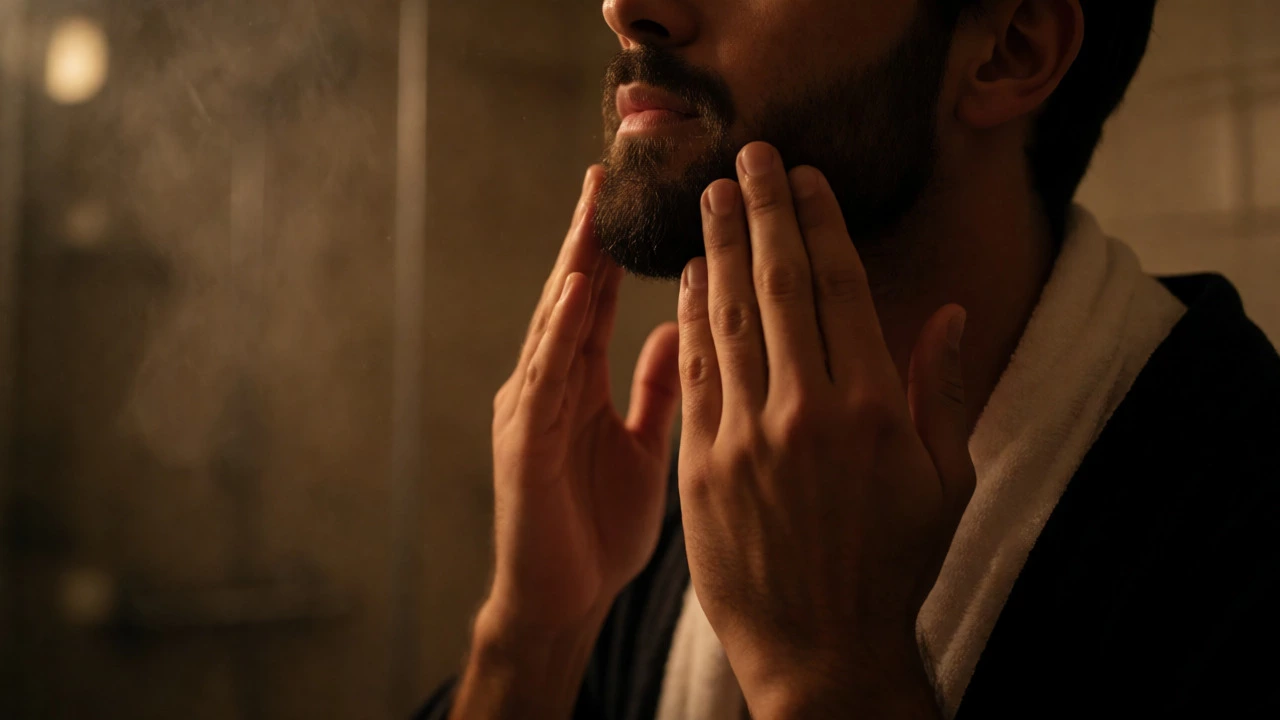
Application matters as much as selection. Dispense 3-5 drops into your palm (more for longer beards). Rub your hands together to warm the oil. Press your palms against your cheeks and jawline, ensuring the oil touches the skin. Then, run your fingers through the beard to distribute the remainder along the hair shafts. Do this immediately after showering when pores are open and hair is damp.
Conditioning and Styling: Beard Balm vs. Butter
Once the beard is hydrated, you may want control. This is where Beard Balm enters the conversation. Unlike oil, balm contains beeswax and shea butter, providing hold and shape. It is essential for medium to long beards that refuse to stay put.
Balm serves a dual purpose: it seals in moisture from the oil and tames stray hairs. Apply a pea-sized amount after oiling. Warm it between your thumbs until it melts, then work it into the ends and mid-lengths of the beard. For a more structured look, focus on the mustache and cheek lines. If your beard is very short, you might skip balm entirely, as oil provides sufficient softening.
Physical Maintenance: Brushing and Combing
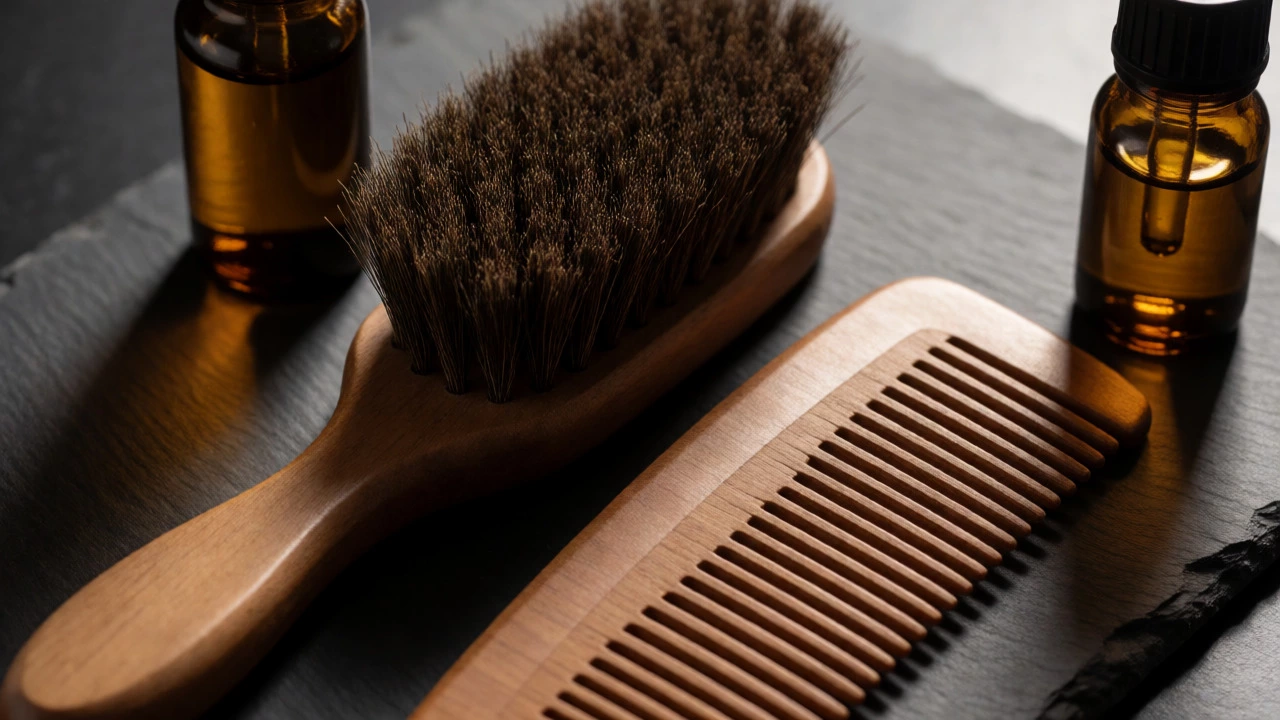
Tools do more than detangle. They exfoliate the skin and distribute natural oils evenly. A Boar Bristle Brush is superior to plastic alternatives. Boar bristles carry the same protein structure as human hair, allowing them to smooth the cuticle rather than tear it.
Brushing direction matters. Start at the roots and brush outward toward the tips. This stimulates blood flow to the follicles, potentially encouraging healthier growth over time. For knots, use a wide-tooth wooden comb before brushing. Never pull aggressively through tangles; patience prevents breakage.
- Daily: Brush in the morning to train the hair direction.
- Weekly: Clean your brush. Accumulated dust and old skin cells defeat the purpose of hygiene.
- Material: Choose sandalwood or boxwood combs. They reduce static electricity compared to plastic.

Trimming: Defining the Shape
A beard grows unevenly. Hairs on the neck tend to grow faster than those on the cheeks. Regular trimming maintains symmetry and professionalism. You don’t need a barber every week, but you do need a quality trimmer.
Focus on three areas: the neckline, the cheek line, and the mustache. The neckline should sit about one finger-width above your Adam’s apple. Shave everything below this line. The cheek line should follow your natural bone structure-don’t carve it too high unless you have a specific style goal. Keep the mustache trimmed so it doesn’t obscure your upper lip.
Use scissors for precision on stray hairs. Clippers are for bulk reduction. Always trim when the beard is dry. Wet hair stretches and appears longer, leading to accidental over-trimming.
Nutrition and Internal Health
External products can only do so much. Your beard reflects your internal health. Dehydration leads to brittle hair. Poor diet results in slow growth and weak follicles.
Incorporate biotin-rich foods like eggs, almonds, and spinach. Ensure adequate protein intake, as hair is primarily keratin. Hydration is critical; aim for at least two liters of water daily. Sleep also plays a role, as growth hormone releases during deep rest. If your beard looks dull despite good external care, look at your plate and your pillow.
Building Your Routine: A Sample Schedule
Consistency beats intensity. Here is a realistic weekly plan for a busy professional:
- Monday, Wednesday, Friday: Shower with beard wash. Apply beard oil while damp. Light brushing.
- Tuesday, Thursday, Saturday: Rinse with water if needed. Apply oil if skin feels tight. No wash.
- Sunday: Deep condition with beard mask or heavy balm. Trim stray hairs. Clean tools.
This schedule prevents over-washing while maintaining hygiene and style. Adjust based on your activity level and climate.
How often should I wash my beard?
Most experts recommend washing every two to three days. Daily washing strips natural oils, leading to dryness and itchiness. However, if you exercise heavily or work in dusty environments, daily rinsing with water is acceptable, followed by immediate oil application.
Do I really need beard oil if I use conditioner?
Yes. Conditioner works on the hair shaft during the shower but is rinsed out. Beard oil stays on the skin and hair throughout the day, providing continuous hydration and protection against environmental elements. They serve different functions.
What causes beard itch and how do I stop it?
Beard itch is usually caused by dry skin and trapped dead skin cells under the hair. It often worsens during early growth stages. Using a gentle beard wash and applying beard oil daily to the skin beneath the hair resolves most cases. Exfoliating with a boar bristle brush also helps remove flakes.
Can I use regular hair products on my beard?
Avoid standard shampoos and gels. They are formulated for scalp pH and often contain alcohol or sulfates that irritate facial skin. Use products specifically designed for facial hair to ensure compatibility with both the coarse hair texture and sensitive facial skin.
How much beard oil should I use?
Start with 3-5 drops for a short beard and up to 10-15 drops for a full beard. The goal is to leave the beard looking natural, not greasy. If your face feels oily after ten minutes, you used too much. Adjust downward next time.