
Weekend Getaway Planner
Select a destination below to generate your personalized itinerary, budget estimate, and packing checklist.
Scottish Highlands
Rugged landscapes, silence, and character building.
The Cotswolds
Elegance, honey-stone villages, and slow living.
Bath
Intellectual stimulation, history, and relaxation.
Cornwall
Maritime calm, seafood, and coastal paths.
Lake District
Active reflection, hiking, and physical reset.
Destination Name
MoodEstimated Budget (2 Days)
Essential Packing List
Pro Tip:
Tip content goes here.
There is a distinct difference between escaping your responsibilities and cultivating a necessary pause. For the modern professional, the weekend is not merely a gap in the calendar; it is an opportunity to recalibrate. The noise of London, the relentless ping of notifications, and the pressure of performance require a counterbalance. You do not need a transatlantic flight to find clarity. In fact, the most restorative experiences often lie within reach, hidden in the quiet corners of the United Kingdom.
The goal here is not tourism in the traditional sense. We are not looking for crowded theme parks or frantic sightseeing schedules. We are seeking environments that encourage presence, reflection, and perhaps a touch of adventure that feels earned rather than consumed. Whether you prefer the rugged silence of the Scottish Highlands, the architectural grandeur of Bath, or the maritime calm of Cornwall, the right destination can serve as a sanctuary for the mind.
Why should a man prioritize a local weekend getaway over staying home?
Changing your environment disrupts habitual thought patterns. Staying home often means continuing the same routine in a different room. A physical journey, even a short one, creates a psychological boundary between work and rest, allowing for deeper mental recovery and renewed perspective upon return.
The Case for Solitude: Why Go Alone?
Many men hesitate to book a trip without a companion, fearing it might appear solitary in a negative sense. Let us reframe this. Solo travel is an exercise in self-reliance and intentionality. When you travel alone, you answer only to yourself. There is no compromise on pace, no negotiation over dinner reservations, and no need to perform for an audience. This freedom allows you to engage with your surroundings on a deeper level.
Consider the experience of walking through the ancient forests of the New Forest in Hampshire. Without conversation to distract you, you notice the texture of the bark, the shift in light, and the rhythm of your own steps. This kind of mindfulness is difficult to achieve when surrounded by the demands of others. It is also an excellent practice for building comfort with your own company-a trait that serves well in both personal and professional spheres.
If you prefer the company of others, consider joining a structured activity. A guided hike in the Lake District or a whiskey tasting tour in Speyside offers social interaction that is purposeful and limited, ensuring you still retain ample space for reflection.
The Scottish Highlands: A Test of Character
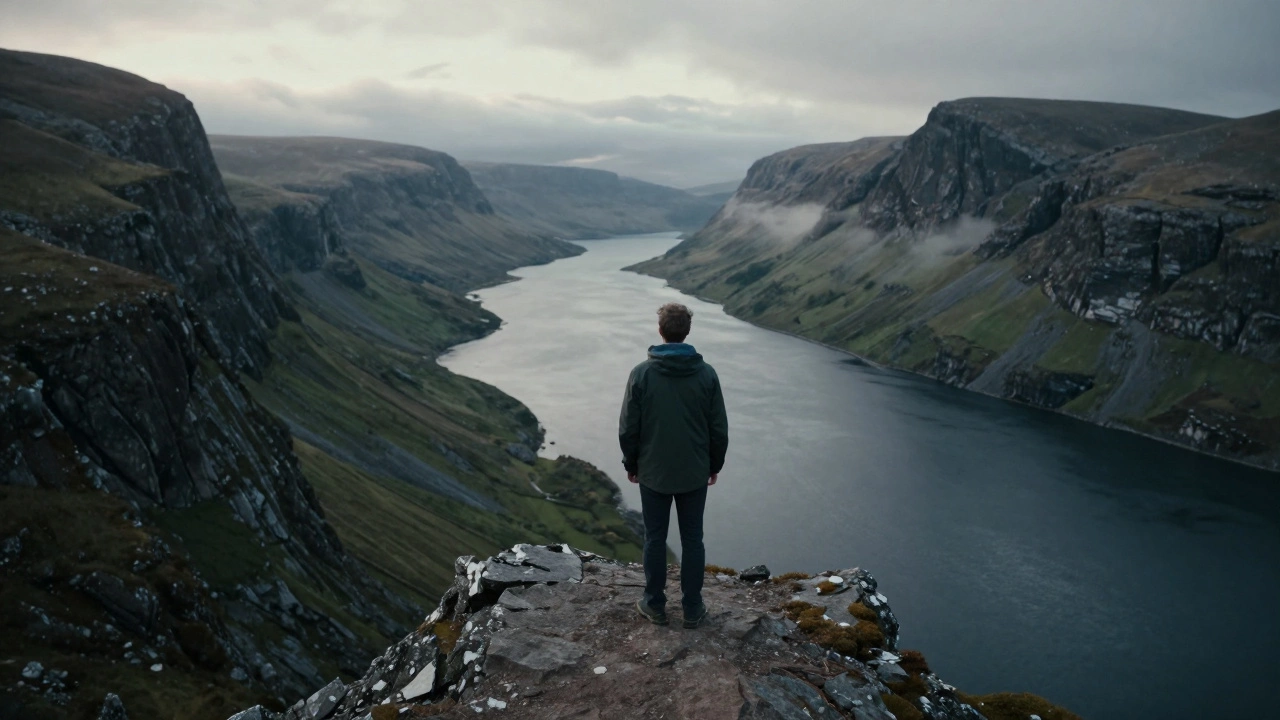
The Scottish Highlands is a vast, rugged region in northern Scotland known for its dramatic landscapes, deep lochs, and historic castles. It is a place that commands respect. The weather is unpredictable, the terrain is unforgiving, and the silence is profound. For the man who seeks to feel small in the face of nature’s grandeur, there is no better destination.
Start your journey in Fort William, the gateway to Ben Nevis. You do not need to summit the highest peak in the British Isles to appreciate the scale. A drive along the Road to the Isles offers sweeping views of the Atlantic Ocean crashing against jagged cliffs. The air here is crisp, carrying the scent of pine and salt. It clears the head instantly.
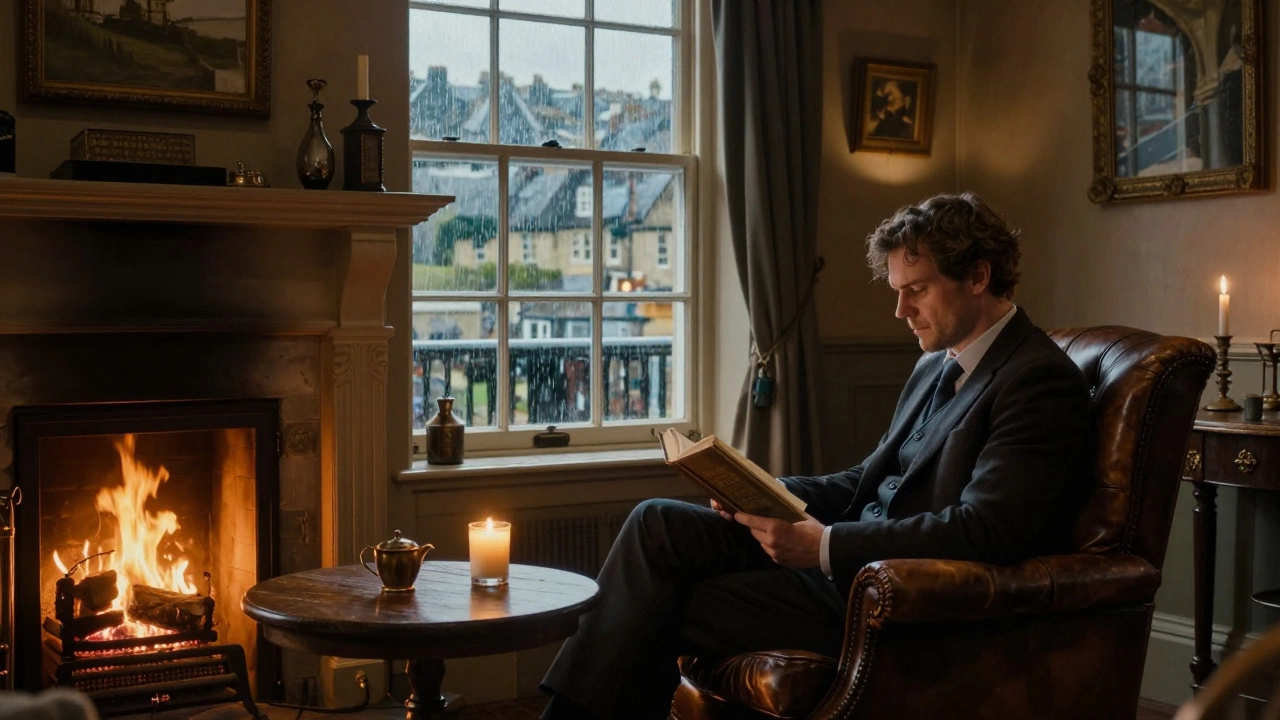
Accommodation should reflect the setting. Look for boutique lodges or converted stone cottages that offer warmth and character. Avoid generic hotel chains. Instead, seek places like the Glencoe Lodge or similar independent establishments where service is personalized and the atmosphere is intimate. Spend your evenings reading by a fire, reflecting on the week’s challenges, and planning your next moves with a clearer mind.
Practical tip: Pack layers. The temperature can drop significantly after sunset. A high-quality wool sweater and waterproof jacket are essential investments for this climate.
The Cotswolds: Elegance in Simplicity
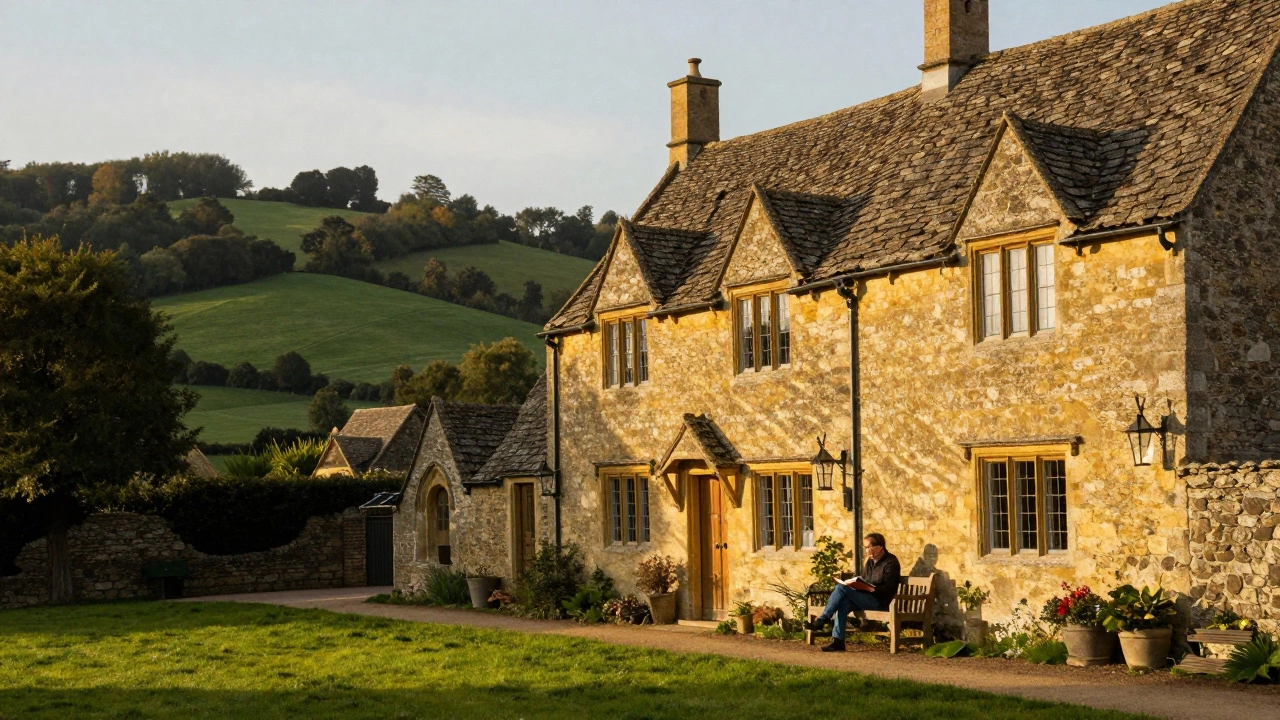
If the Highlands feel too austere, turn south to The Cotswolds is a picturesque rural area in South Central England known for its honey-stone villages, rolling hills, and tranquil atmosphere. Here, beauty is curated by centuries of tradition. The villages of Bourton-on-the-Water, Bibury, and Castle Combe offer a visual harmony that is soothing to the eye and calming to the spirit.
This region is ideal for those who appreciate craftsmanship and history. Visit a local brewery to understand the art of ale-making, or take a walk through the Saxon Way, which traces the route of ancient settlements. The pace here is slower, encouraging you to linger over a cup of coffee in a village pub rather than rushing to the next checkpoint.
For accommodation, consider a manor house or a country inn with a strong sense of heritage. Places like The Old Bakery Hotel in Broadway or The Swan Inn in Stow-on-the-Wold provide a blend of luxury and rustic charm. The food is typically locally sourced, emphasizing seasonal ingredients and simple preparation. This focus on quality over quantity mirrors the principles of a well-lived life.
Bath: Intellectual Stimulation
Bath is a city in Somerset, England, renowned for its Georgian architecture, Roman baths, and literary connections. It is a city that speaks to the intellect. The architecture is precise, the gardens are manicured, and the history is palpable. Walking through the Royal Crescent or visiting the Roman Baths requires no effort, yet it rewards the observer with a sense of continuity and permanence.
Bath is particularly suited for the reader or the writer. The city has strong ties to Jane Austen and Thomas Hardy, offering a literary landscape that invites contemplation. Spend a morning in the Holburne Museum, exploring collections that span centuries of artistic expression. In the afternoon, find a quiet corner in a café near the Abbey Church to read or journal.
The thermal waters of Bath have been used for relaxation since Roman times. While the original baths are now museums, modern spas in the city offer treatments that utilize the natural mineral content of the water. A soak in these waters can relieve physical tension accumulated from long hours at a desk.
Cornwall: Maritime Calm
For those drawn to the sea, Cornwall is a county in South West England known for its rugged coastline, sandy beaches, and fishing villages. Unlike the bustling resorts of southern Europe, Cornwall offers a more subdued maritime experience. The towns of Falmouth, Padstow, and Polzeath are charming without being chaotic.
The appeal of Cornwall lies in its combination of natural beauty and culinary excellence. The region is famous for its seafood, particularly oysters and crab. Dining at a restaurant like The Seafood Restaurant in Mevagissey or The Crab & Lobster in Padstow provides a memorable experience that celebrates local produce. The simplicity of the dishes-fresh fish grilled with herbs-reflects a confidence that does not need embellishment.
Walk the coastal paths early in the morning when the light is soft and the crowds are absent. The sound of waves breaking against the rocks is a powerful reminder of nature’s constancy. It puts daily worries into perspective.
The Lake District: Active Reflection
The Lake District is a national park in Cumbria, England, characterized by lakes, mountains, and valleys, popular for hiking and outdoor activities. If you prefer movement over stillness, this is your destination. The terrain offers hikes of varying difficulty, from gentle walks around Derwentwater to challenging ascents of Scafell Pike.
Physical exertion is a potent tool for mental clarity. Hiking releases endorphins and reduces stress hormones, providing a physiological reset. The key is to choose a route that matches your fitness level but pushes you slightly beyond your comfort zone. This struggle, however minor, builds resilience and confidence.
After a day on the trails, reward yourself with a hearty meal in a village pub. Look for establishments that source their meat and vegetables from local farms. The warmth of the hearth and the satisfaction of a good meal create a perfect conclusion to an active day.
Planning Your Escape: Practical Considerations
A successful getaway requires minimal friction. Over-planning can lead to stress, while under-planning can result in disappointment. Aim for a balance.
- Transport: Driving offers the most flexibility, allowing you to stop at scenic viewpoints and explore lesser-known areas. However, train travel can be more relaxing, freeing you from the burden of navigation. Consider taking the train to your destination and renting a car locally if needed.
- Accommodation: Book well in advance, especially during peak seasons. Look for properties with positive reviews regarding cleanliness, service, and location. Read recent reviews to gauge current standards.
- Packing: Pack lightly. Bring versatile clothing that can be mixed and matched. Include a comfortable pair of walking shoes, a quality raincoat, and a book or journal. Leave the gadgets behind, or at least limit their use to essential communication.
- Digital Detox: Set boundaries for technology usage. Inform colleagues that you will be unavailable for non-emergencies. Use this time to disconnect from the digital world and reconnect with your thoughts.
The Return: Integrating the Experience
The value of a weekend getaway is not just in the experience itself, but in how you integrate it into your life upon return. Take notes during your trip. Jot down insights, ideas, or feelings that arise. These reflections can provide valuable perspectives for your work and personal goals.
Use the energy gained from your break to tackle pending tasks with renewed focus. The clarity you achieved in the Highlands or the calm you found in Bath can translate into improved decision-making and productivity. Treat your weekends as investments in your mental capital, and they will yield dividends throughout the year.
The United Kingdom offers a wealth of destinations for the modern gentleman. By choosing wisely and traveling with intention, you can transform a simple weekend break into a transformative experience. It is not about how far you go, but how deeply you engage with the moment.
What is the best time of year to visit the UK for a weekend getaway?
Spring (April to June) and Autumn (September to October) offer mild weather and fewer crowds. Summer can be busy and expensive, while Winter provides a cozy atmosphere but limited daylight for outdoor activities.
Is it safe to travel alone in the UK?
Yes, the UK is generally very safe for solo travelers. Standard precautions apply, such as being aware of your surroundings and securing valuables. Rural areas may require extra planning for transport and safety.
How much should I budget for a weekend getaway?
Budgets vary widely. A mid-range trip including accommodation, meals, and activities can range from £300 to £600 per person. Luxury options will exceed this, while budget stays can be found for less. Plan according to your priorities.
Can I combine multiple destinations in one weekend?
It is possible, but not recommended for relaxation. Moving between locations adds travel time and stress. Focus on one region to maximize immersion and minimize logistical hassle.
What should I pack for a UK weekend break?
Essentials include layered clothing, waterproof outerwear, comfortable walking shoes, toiletries, a book, and any necessary medications. Check the weather forecast before packing to adjust accordingly.