
Capsule Wardrobe Builder
Calculate your essential clothing inventory based on lifestyle needs. Aim for 30–40 high-quality, interchangeable items.
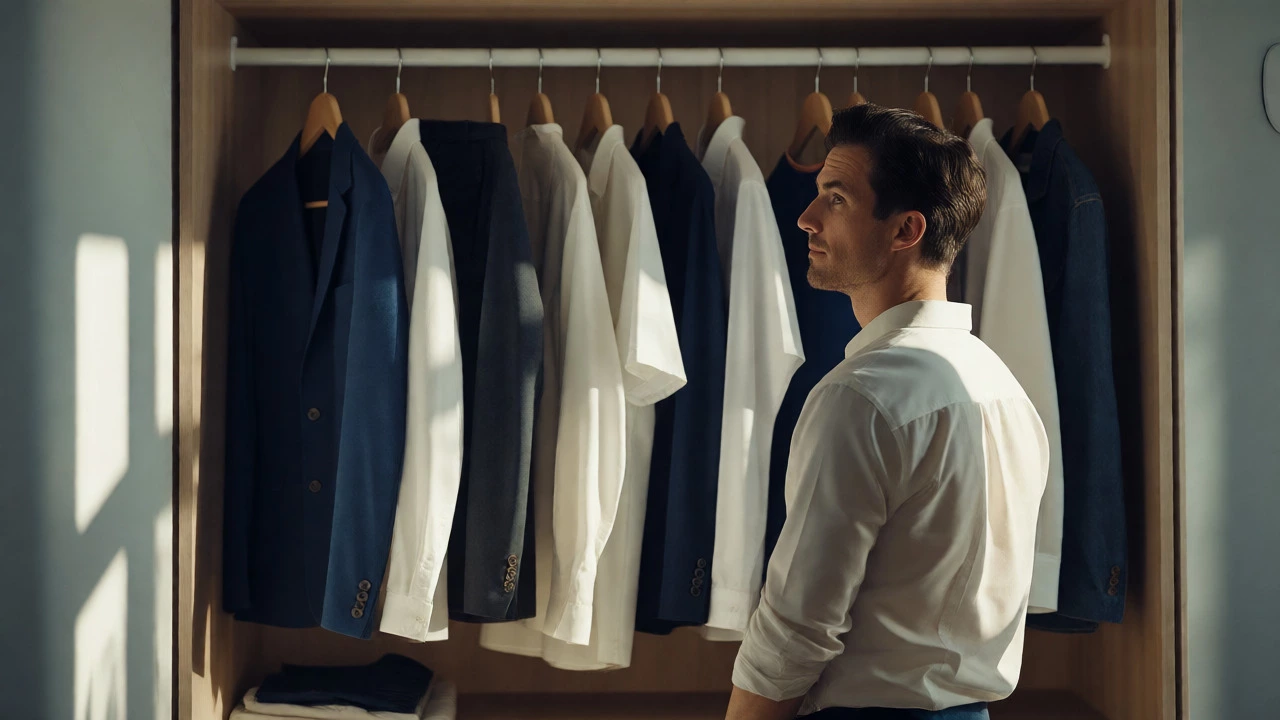
You stand before your closet on a Tuesday morning. It is packed with clothes, yet you feel you have nothing to wear. This paradox plagues the modern professional. We buy more because we fear looking outdated, yet we spend less time enjoying what we own. The solution is not buying more; it is curating better. A capsule wardrobe is a collection of essential clothing items that are interchangeable and fit your specific lifestyle needs. For the man who values efficiency and elegance, this approach eliminates decision fatigue and ensures you look polished every single day.
This guide strips away the noise of fast fashion trends. We focus on quality over quantity, versatility over novelty, and longevity over impulse. By October 2026, the shift toward sustainable, mindful consumption has become standard for those who value their time as much as their appearance. Here is how you build a system that works for you, not against you.
The Core Philosophy: Less Noise, More Impact
A capsule wardrobe is not about deprivation. It is about intentionality. Think of it like a well-edited film; every scene serves the plot. In your closet, every garment must serve a purpose in your daily life. If an item does not fit, does not suit your body type, or does not align with your current role, it leaves. This process requires honesty. You might keep a blazer from five years ago because you remember who you were when you bought it, not because it fits who you are now.
The goal is to create a modular system. Each piece should combine with at least three others. This mathematical constraint forces you to choose neutral colors and classic cuts. When you remove the friction of choosing outfits, you reclaim mental energy for work, family, or leisure. You stop worrying about whether your socks match your shoes and start focusing on how you carry yourself.
Assessing Your Lifestyle Audit
Before you discard a single shirt, analyze your week. Most men live in three modes: Professional, Casual, and Occasional. Your wardrobe ratios should reflect reality, not aspiration. If you work in a creative agency where jeans are acceptable, do not buy twelve dress shirts. If you attend one wedding a year, do not fill your rack with tuxedos.
Track your activities for two weeks. Note what you actually wore versus what you wished you had worn. You will likely find gaps-perhaps you lack a smart-casual jacket for evening events-or excesses, such as too many identical white t-shirts. This audit prevents the common mistake of building a wardrobe for a fantasy version of yourself rather than the actual man reading this article.
Essential Foundations: The Base Layer
Start with the items closest to your skin. These pieces endure the most wear and require the highest quality fabrics. Cotton breathes, but high-quality merino wool regulates temperature better and resists odor. Invest here first.
- T-Shirts: Three to four solid-colored crew necks. White, navy, grey, and black. Look for mid-weight cotton (180-220gsm) that holds its shape after washing.
- Polo Shirts: Two pique cotton polos in neutral tones. They bridge the gap between casual and formal without requiring a tie.
- Undergarments: Replace elastic bands that have lost tension. Boxer briefs offer support without bulk under tailored trousers.
- Socks: Six pairs of ankle socks in dark neutrals and three pairs of dress socks in charcoal or navy. Avoid loud patterns unless they serve a specific conversational purpose.
The fabric matters more than the brand. A generic t-shirt made from long-staple Egyptian cotton outperforms a designer label made from thin, short-fiber blends. Check the label for fiber content, not just the logo.
Structural Pieces: Tailoring and Outerwear
Once the base is set, add structure. These items define your silhouette. They are the frame upon which your style hangs. Do not compromise on fit here. An off-the-rack suit altered by a tailor looks custom-made; a custom suit that does not fit looks expensive and wrong.
| Item | Quantity | Key Attribute | Versatility Rating |
|---|---|---|---|
| Navy Blazer | 1 | Unstructured shoulder, patch pockets | High |
| Charcoal Trousers | 2 | Wool blend, flat front | High |
| Dark Denim | 1 | Selvedge, indigo, slim-straight | Medium |
| Chinos | 2 | Khaki and Olive, cotton twill | Medium |
| Overcoat | 1 | Cashmere-wool blend, camel or navy | Low (Seasonal) |
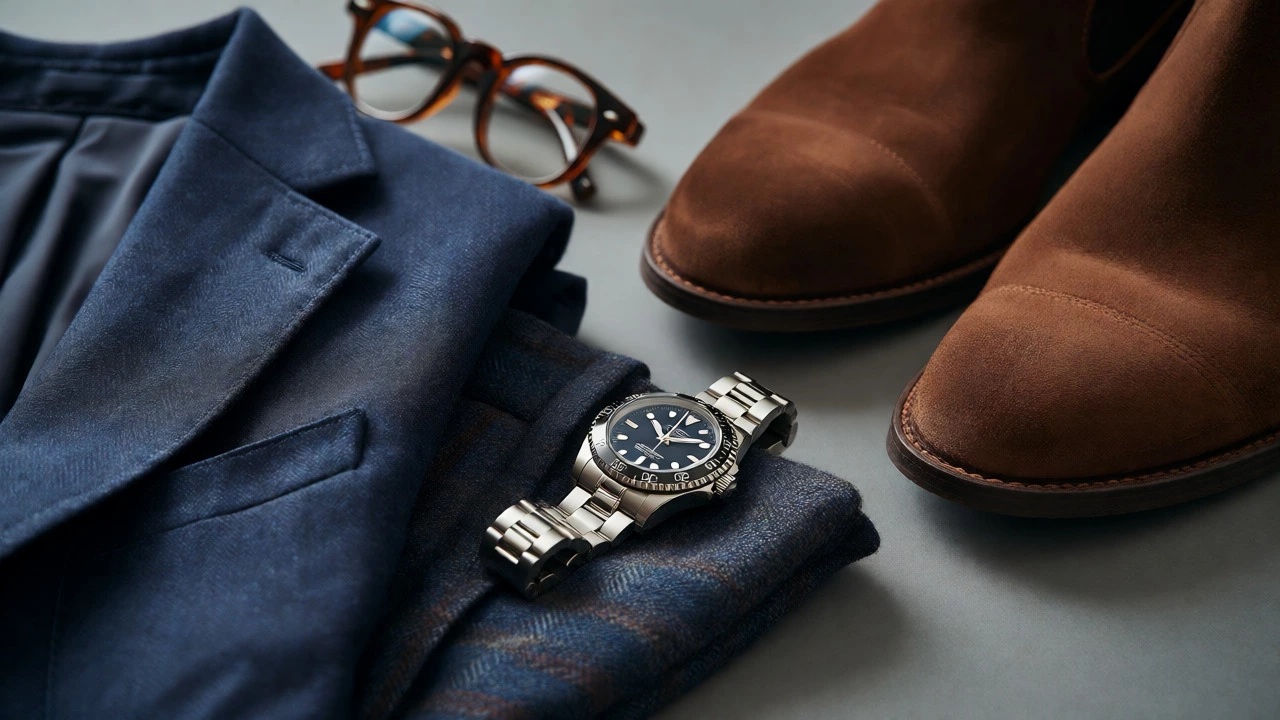
The navy blazer is the Swiss Army knife of menswear. It works over denim for dinner, over chinos for a client meeting, and over a polo shirt for a weekend brunch. Choose unstructured construction for comfort and ease of movement. Charcoal trousers offer a sophisticated alternative to black, which can appear harsh in daylight, and grey, which can look office-bound.
Footwear: The Foundation of Movement
Your shoes ground your outfit. They also determine your comfort level throughout the day. A capsule wardrobe requires shoes that transition seamlessly from the office to the evening. Avoid specialized footwear unless your hobbies demand it.
Start with White Leather Sneakers. Minimalist designs with no visible logos age gracefully and pair with everything from suits to shorts. Next, acquire Chelsea Boots in brown suede. They are easy to slip on, weather-resistant enough for London drizzle, and elevate casual outfits instantly. Finally, one pair of Derby Shoes in dark brown leather covers formal requirements. Oxfords are stricter; Derbies are more versatile for the modern workplace.
Maintain them. Brush suede weekly. Condition leather monthly. Use shoe trees to preserve shape. Neglected shoes ruin even the best-tailored suit.

Accessories: Subtle Signals of Care
Accessories are not decorations; they are functional details that show attention to craft. Limit yourself to items that last decades.
- Watch: One steel or leather strap watch with a clean dial. Automatic movements signal appreciation for mechanics, but quartz is perfectly acceptable if maintenance is a concern.
- Belt: Match your belt leather to your shoe leather. Brown with brown, black with black. Keep buckles simple and brushed metal.
- Eyewear: Frames that complement your face shape. Tortoiseshell acetate offers warmth and character compared to plain black plastic.
- Bag: A structured leather messenger or tote. Canvas backpacks are fine for students; professionals need something that sits upright on a table during meetings.
Jewelry should be minimal. A wedding band, perhaps a simple chain, and a watch. Anything more risks distraction. The aim is understated confidence, not visual clutter.
Maintenance and Longevity
A capsule wardrobe fails if items degrade quickly. Proper care extends the life of your garments, reducing the need for replacement. Wash less often. Air out jackets instead of dry cleaning them unnecessarily. Dry cleaning chemicals break down fibers over time.
Learn basic repairs. Sewing a button takes two minutes. Replacing a zipper pull saves a jacket. Knowing how to spot-clean a stain prevents panic. Store knitwear folded, not hung, to prevent stretching. Use cedar blocks to repel moths and absorb moisture. These small habits compound into significant savings and a consistently sharp appearance.
Review your capsule twice a year, typically in April and October. Remove items that are damaged beyond repair or no longer fit your lifestyle. Add replacements only when necessary. This cyclical review keeps the system dynamic and responsive to changes in your career or personal preferences.
Common Pitfalls to Avoid
Do not confuse "minimal" with "monochrome." You can introduce color through accessories or seasonal layers. A forest green sweater adds depth without breaking the capsule’s core neutrality. Also, avoid the trap of waiting for sales. Quality items rarely go on deep discount. Buying poor quality on sale is more expensive in the long run due to frequent replacements.
Another mistake is ignoring climate. Living in London means rain and wind. A linen suit is beautiful in summer but useless in November. Build around your local weather patterns, not Instagram aesthetics. Practicality is the highest form of respect for oneself.
How many items make up a complete capsule wardrobe?
Typically, a functional capsule consists of 30 to 40 items, including underwear, outerwear, and footwear. However, the exact number depends on your climate and profession. The key metric is not the total count, but the ratio of usable combinations to total items.
Can I have a capsule wardrobe if I work in a creative field?
Yes. Creative fields allow for more personality in cuts and textures. Swap traditional dress shirts for high-quality knits or patterned linens. The principle remains: ensure each piece mixes well with the rest of your collection to maintain versatility.
What is the best color palette for beginners?
Stick to navy, charcoal, white, cream, and olive. These colors are forgiving, flattering on most skin tones, and universally accepted in professional settings. Once comfortable, introduce accent colors like burgundy or forest green through ties, scarves, or sweaters.
How do I handle seasonal changes?
Rotate items rather than replacing the entire wardrobe. In winter, swap lightweight chinos for heavier wool trousers and add a cashmere scarf. In summer, replace the blazer with a linen shirt and switch boots for loafers. Store off-season items in breathable garment bags.
Is a capsule wardrobe cheaper in the long run?
Initially, yes, it may cost more per item because you are buying higher quality. Over time, however, you save money by purchasing fewer items and avoiding the cycle of buying cheap clothes that wear out quickly. The cost-per-wear drops significantly as durability increases.