
Solo Travel Budget & Value Estimator
Enter your trip details and click calculate to see your personalized budget estimate.
Based on average shared costs for a pair
There is a quiet power in walking into a foreign city with no one else to rely on. For decades, the narrative around men traveling alone has been fraught with stereotypes-the lonely wanderer, the reckless bachelor, or the man running away from responsibility. But strip away the clichés, and you find something far more compelling. Solo travel is not an escape; it is a deliberate practice of self-reliance.
For the modern gentleman, who values composure, adaptability, and genuine connection, traveling alone offers a unique laboratory for character building. It forces you to confront your own habits, refine your decision-making skills, and engage with the world without the buffer of a companion. The question isn't whether men *should* travel alone, but rather how they can leverage this experience to become sharper, more grounded versions of themselves.
The Architecture of Independence
When you travel with others, there is always a division of labor. Someone navigates, someone orders the food, someone mediates conflicts. When you are alone, you are the entire team. This total ownership of the experience is the primary benefit of solo travel.
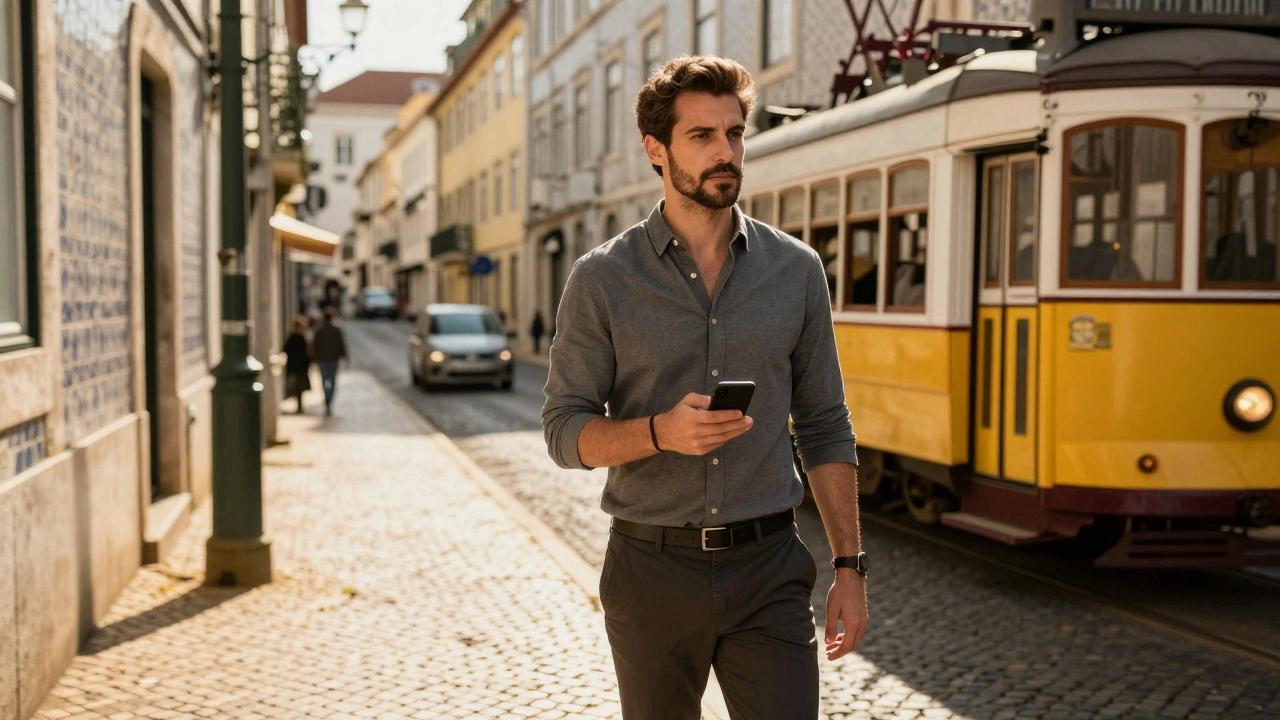
Consider the logistics. You wake up in Lisbon, a city of steep hills and historic trams. Your phone battery dies. There is no one to ask for help reading a map. No one to blame for getting lost. You must assess your surroundings, find a café, charge your device, and reorient yourself. This friction, minor as it may seem, builds a specific type of confidence. It is the knowledge that you can handle ambiguity.
- Total Autonomy: You decide when to rise, what to eat, and when to rest. There are no compromises required.
- Enhanced Awareness: Without the distraction of conversation, you notice details others miss-the architecture, the local dialect, the rhythm of daily life.
- Rapid Problem Solving: Mishaps happen. A missed train or a closed museum requires immediate action, sharpening your ability to think on your feet.
This autonomy is addictive in a healthy way. It reminds you that you are capable. In a professional context, this translates to better leadership. You learn to trust your judgment because you have exercised it repeatedly in unfamiliar environments.
The Social Paradox: How Being Alone Connects You
It seems counterintuitive, but men often find deeper social connections when traveling alone than when accompanied by friends or partners. When you are with a group, you tend to stay within your bubble. You speak to each other, not the locals. You stick to familiar routines.
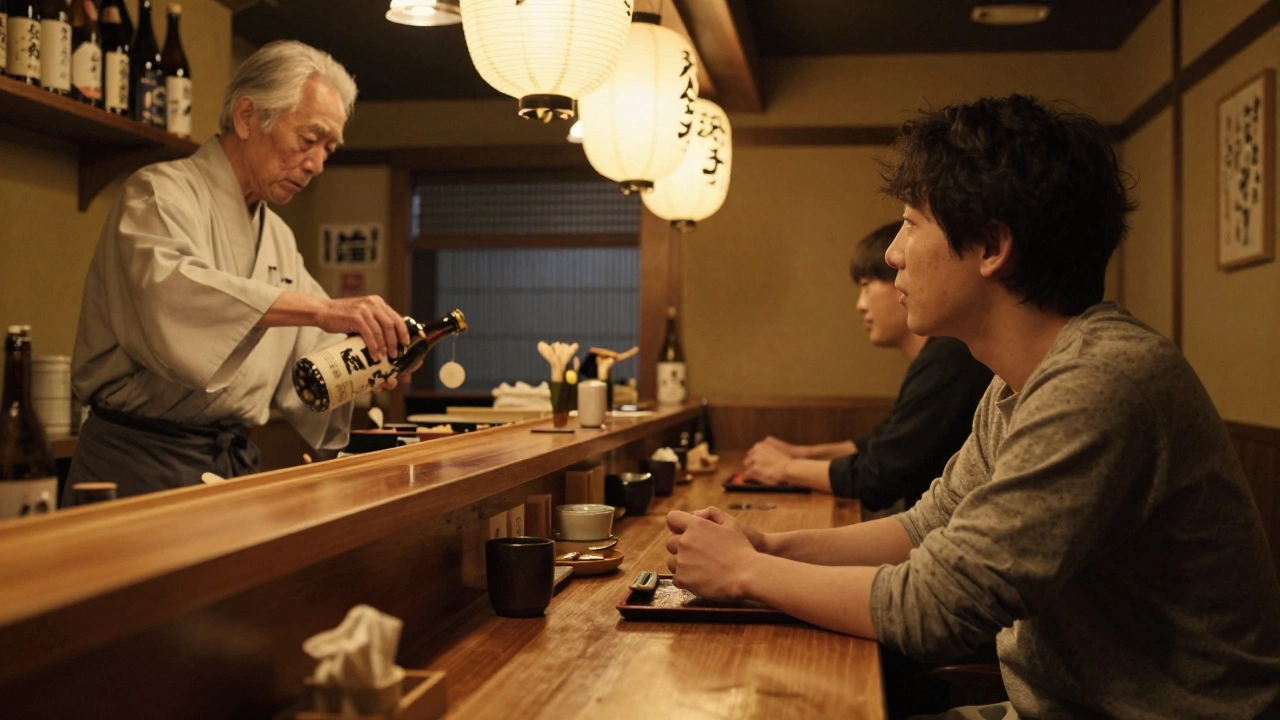
Solo travelers are approachable. Locals and other travelers are more likely to strike up a conversation with a single person than with a closed-off pair. I recall sitting in a small bar in Kyoto. Because I was alone, the bartender engaged me in a twenty-minute discussion about sake brewing techniques. That interaction led to an invitation to a private tasting later that week-an experience my companions would never have had access to.
| Aspect | Solo Travel | Group Travel |
|---|---|---|
| Approachability | High (open to interaction) | Low (closed circle) |
| Local Engagement | Deep, personal conversations | Superficial, transactional |
| Networking Potential | Unpredictable but high reward | Limited to existing network |
| Comfort Zone | Expanded through necessity | Maintained through familiarity |
This openness breaks down barriers. As a man, you are often expected to be stoic. Solo travel allows you to drop that guard selectively. You meet people from all walks of life-other businessmen, artists, students-and these interactions broaden your perspective. You learn that while cultures differ, human curiosity and kindness are universal constants.
The Shadow Side: Loneliness and Logistics
We must address the drawbacks honestly. Solo travel is not always romantic. There are moments of profound loneliness. Sitting in a hotel room at 9 PM, watching a movie you’ve seen before, eating dinner for one-these moments test your resolve.
Loneliness is different from solitude. Solitude is chosen; loneliness is imposed. To mitigate this, you must structure your days. Do not spend evenings in your room. Join a cooking class in Bangkok, the capital of Thailand known for its street food culture. Attend a pub quiz in Dublin. Put yourself in environments where interaction is natural.
Logistically, the burden is entirely yours. If you fall ill, there is no one to bring you water. If your wallet is stolen, you must navigate police stations and banks alone. These risks are manageable but real. They require preparation.
- Digital Safety: Use password managers and two-factor authentication. Keep digital copies of your passport and insurance.
- Health Precautions: Carry a basic first-aid kit. Know the location of nearby clinics before you arrive.
- Financial Redundancy: Never carry all your cash in one place. Have a backup credit card stored separately.
The key is not to fear these risks, but to respect them. Preparation turns anxiety into confidence.
Cost Efficiency and Freedom
Many assume solo travel is expensive. In reality, it can be significantly cheaper if you plan correctly. You are not paying for double occupancy rooms unless you choose to. You can eat at street stalls instead of compromising on a restaurant neither of you likes. You can take budget airlines or overnight trains to save on accommodation.
However, the "single supplement" in hotels is a real cost. Many hotels price rooms per room, not per person. To offset this, consider hostels with private rooms, which offer community amenities at lower rates, or use loyalty points from your credit cards to upgrade accommodations.
The financial freedom extends beyond just spending less. It’s about spending wisely. You invest in experiences that matter to you. If you love art, you buy tickets to the Louvre. If you prefer hiking, you rent gear and hire a guide. You do not dilute your budget to accommodate others’ interests.

Practical Steps for the First-Time Solo Traveler
If you have never traveled alone, start small. Do not book a three-week trip to Patagonia for your first attempt. Choose a destination that is safe, English-friendly, and close to home.
- Choose a Familiar Base: Start with a city you know slightly, such as Paris or Berlin. The cultural shock will be minimal, allowing you to focus on the mechanics of solo travel.
- Book Accommodation Carefully: Read reviews specifically mentioning safety and location. Stay in central areas to reduce transit stress.
- Plan the First Two Days: Have your arrival, check-in, and first meal planned. This reduces initial anxiety and gives you a routine to fall back on.
- Embrace Boredom: Allow yourself time to sit in a park or café without your phone. Observation is a skill that improves with practice.
- Connect Before You Go: Join online forums or travel groups related to your destination. Knowing a few tips beforehand boosts confidence.
Remember, the goal is not to see every landmark. It is to learn how to be comfortable in your own company. Once you master that, the world opens up in ways that are impossible to replicate with a companion.
Conclusion: The Gentleman’s Journey
Traveling alone is a rite of passage for the modern man. It strips away the comforts of routine and forces you to engage with life directly. You will face challenges, yes. You will feel lonely, occasionally. But you will also discover a reservoir of strength and adaptability you didn’t know you possessed.
The pros-autonomy, deep social connections, cost efficiency, and personal growth-far outweigh the cons, provided you prepare adequately. Solo travel teaches you that you are enough. You do not need validation from others to enjoy an experience. You do not need a partner to make a moment meaningful.
So, pack your bag. Book the ticket. Step into the unknown. The world is waiting, and it treats those who walk alone with a surprising amount of grace.
Is it safe for men to travel alone?
Yes, generally speaking, men are considered safer solo travelers than women in most destinations. However, safety depends on behavior. Avoid displaying wealth, stay aware of your surroundings, and research local crime rates. Trust your instincts-if a situation feels wrong, leave.
How do I avoid feeling lonely while traveling alone?
Structure your day with activities that encourage interaction, such as guided tours, cooking classes, or staying in social hostels. Keep a journal to process thoughts. Remember that loneliness is temporary, while the memories you build are lasting.
What are the best destinations for first-time solo male travelers?
Cities like Tokyo, Lisbon, Berlin, and Vancouver are excellent choices. They are safe, have efficient public transport, and are culturally rich. These locations allow you to explore independently without significant language barriers or safety concerns.
Does solo travel help with career development?
Indirectly, yes. It builds problem-solving skills, adaptability, and cross-cultural communication. These are highly valued traits in leadership roles. Additionally, networking opportunities abroad can lead to unexpected professional connections.
How much does solo travel cost compared to group travel?
Solo travel can be more expensive due to single supplements in hotels and lack of shared costs for meals. However, it can also be cheaper if you choose budget accommodations and eat locally. On average, expect a 10-20% premium for accommodation unless you use loyalty points or hostels.