
British Shirt Collar Selector
Find your ideal collar style by answering three simple questions about your physical features and the event you are attending.
There is a quiet confidence in knowing exactly what you are wearing and why. For the discerning man, the shirt collar is not merely a functional piece of fabric; it is the frame for your face, the anchor of your silhouette, and a subtle signal of your attention to detail. Yet, many men remain confused by the array of options available, often defaulting to whatever was cheapest at the local high street retailer. This oversight can undermine an otherwise impeccable suit.
British shirt collars are distinct from their American counterparts due to their structured construction, specific angle geometries, and historical ties to military and aristocratic traditions. Unlike the soft, unstructured collars common in casual wear, traditional British styles rely on internal stays and precise tailoring to maintain their shape throughout the day. Understanding these differences allows you to select a collar that complements your face shape, neck length, and the occasion at hand.
The Anatomy of Structure
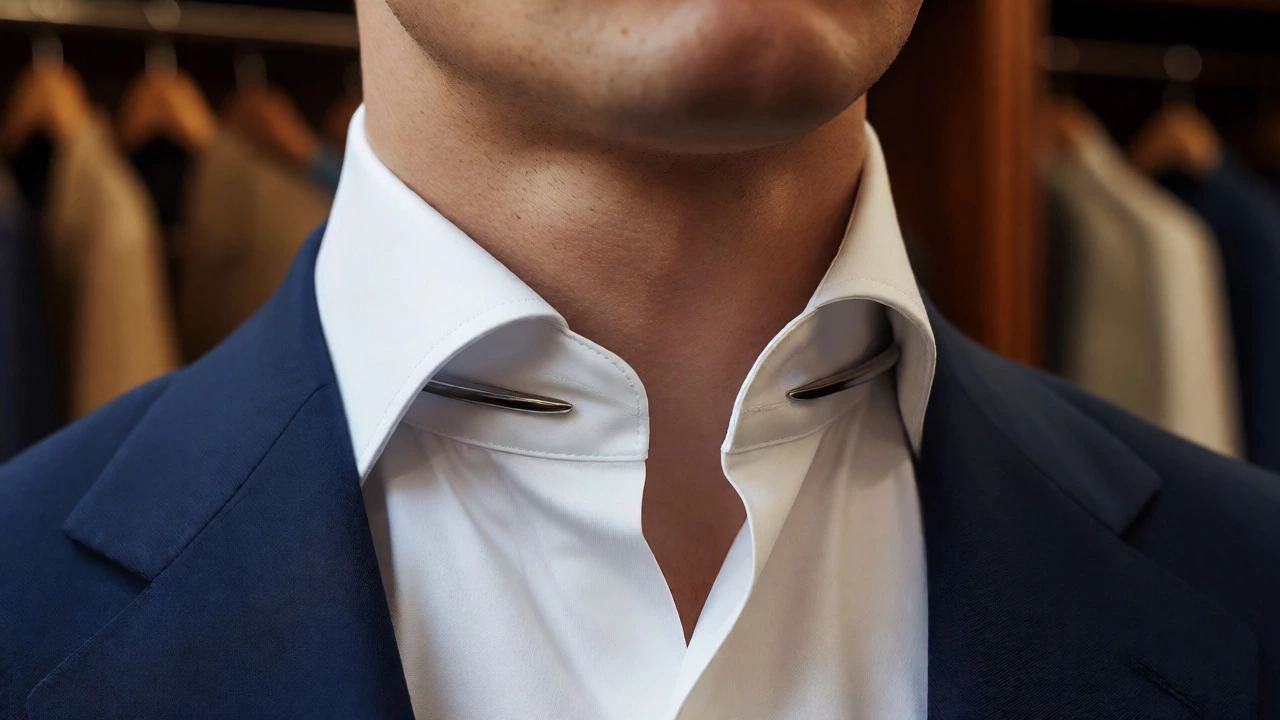
Before we dissect the specific styles, it is crucial to understand what makes a collar "traditional" in the British context. The defining characteristic is structure. In London’s bespoke tailoring houses, collars are constructed with multiple layers of canvas or buckram interlining. This ensures the points stand away from the neck rather than collapsing against it. Furthermore, most traditional British collars feature removable collar stays-thin strips of plastic or metal inserted into small pockets at the tips of the collar points. These stays prevent curling and keep the points sharp.
This structural integrity serves a practical purpose: it creates a clean line under a jacket lapel. A floppy collar ruins the V-shape created by a well-fitted blazer. Therefore, when evaluating any shirt, check the stiffness of the collar band and the presence of stay pockets. If the collar feels flimsy or lacks these pockets, it likely falls outside the realm of traditional British formalwear.
The Spread Collar: The Versatile Standard
If you own only one type of dress shirt, make it a spread collar a style where the collar points are angled outward, creating a wider gap between them. It is the workhorse of the modern gentleman’s wardrobe. Originating as a compromise between the narrow point collar and the extreme cutaway, the spread collar offers balance.
The beauty of the spread collar lies in its adaptability. It accommodates various tie knots without looking cramped. A Four-in-Hand knot fits comfortably within the moderate spread, while a Half-Windsor fills the space nicely. This versatility makes it suitable for both business meetings and weekend weddings. Visually, it broadens the appearance of the neck and shoulders, which is flattering for men with narrower faces or slimmer builds.
However, context matters. A very wide spread might look overly aggressive with a thick knit tie, while a narrow spread (often called a semi-spread) works better for tighter office environments. Always ensure the collar sits flat against your neck. If there is a gap of more than a finger’s width between the collar band and your skin, the shirt is too large, and no amount of starch will fix the aesthetic.
The Cutaway Collar: Boldness and Breadth
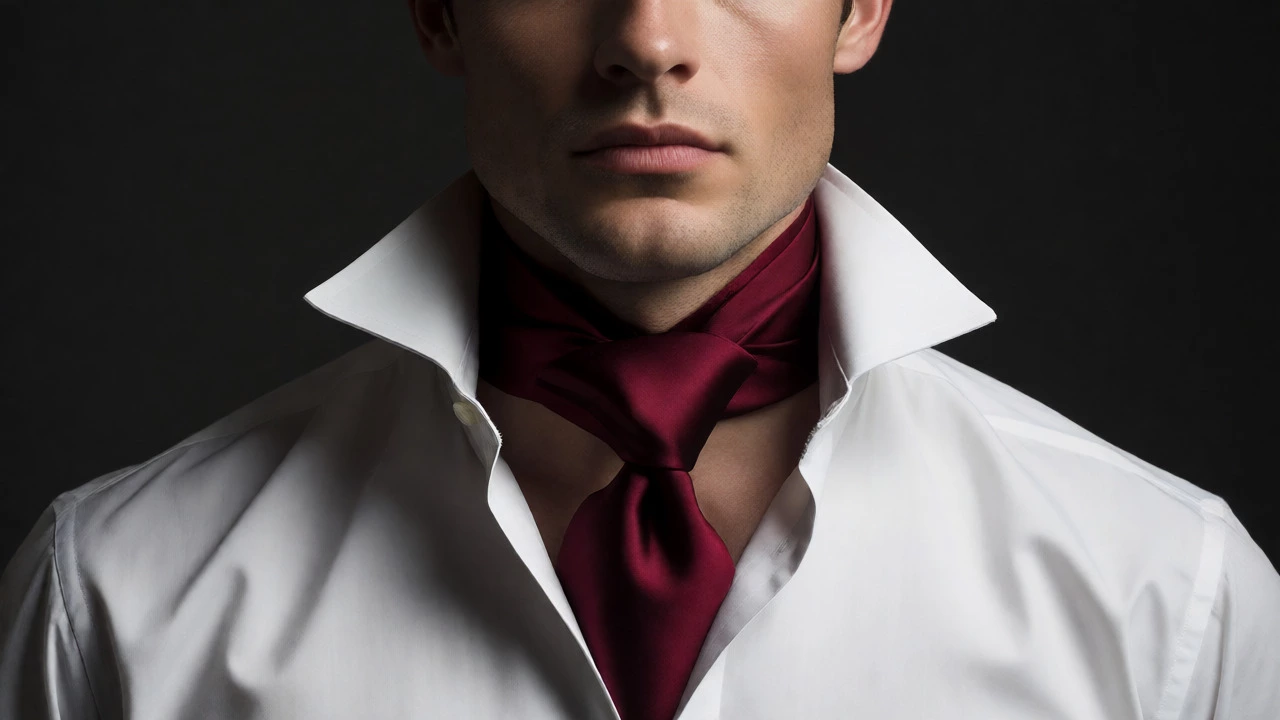
For those who wish to make a statement, the cutaway collar features collar points that are cut back sharply, creating a very wide angle between the points is the definitive choice of the confident dresser. Popularized in the mid-20th century by Ivy League enthusiasts and later adopted by British tailors, this style demands attention.
The cutaway collar exposes more of the chest and neck area. This requires two things: a well-tied tie and a comfortable relationship with showing skin. Because the points are so far apart, they frame the knot prominently. A large knot, such as a Full Windsor, is essential here; a small knot will look lost in the expanse of fabric. Conversely, if you have a short neck, a cutaway collar can create an illusion of length by drawing the eye horizontally.
Be cautious with the degree of the cut. An extreme cutaway, sometimes called a "180-degree spread," can appear theatrical in conservative banking or legal environments. A moderate cutaway, perhaps around 90 to 120 degrees, retains the elegance without crossing into costume territory. Pair this style with solid colors or subtle patterns to let the collar architecture speak for itself.
The Club Collar: Vintage Elegance
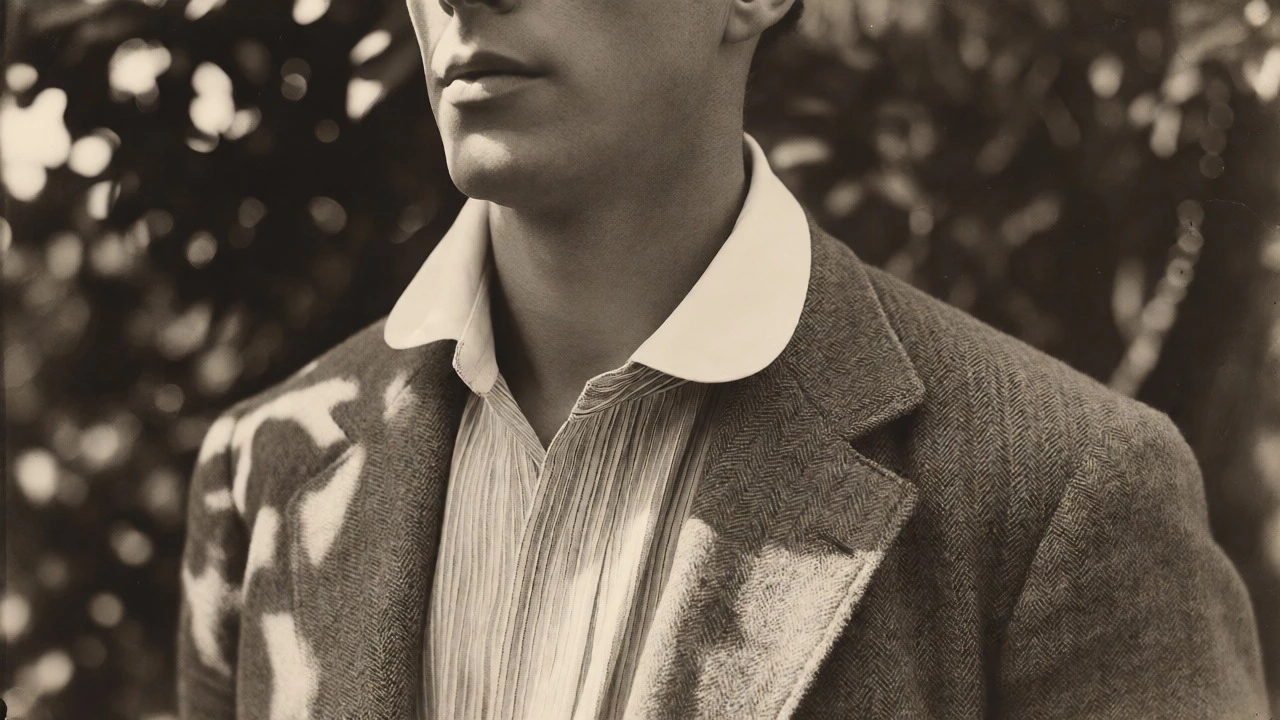
Not all traditional collars end in sharp points. The club collar also known as the rounded collar, features curved edges instead of pointed tips, originating from early 20th-century athletic wear offers a softer, more approachable aesthetic. Once associated with cricket teams and prep schools, the club collar has seen a resurgence among men who appreciate vintage charm without wanting to look like they are wearing a uniform.
This style is inherently less formal than its pointed cousins. It pairs exceptionally well with textured fabrics like oxford cloth or linen. The rounded edge softens the jawline, making it an excellent choice for men with angular or square faces. However, avoid pairing a club collar with highly formal accessories. A silk tie with a club collar can feel incongruous unless the tie is also textured, such as wool or grenadine.
Wearing a club collar correctly means embracing its casual roots. It looks best with chinos, blazers, or even open-necked under a sweater vest. It suggests a man who is relaxed but still cares about his appearance. It is the sartorial equivalent of a warm handshake.
The Tab Collar: Military Precision
The tab collar includes a small strap that connects the two collar points behind the tie knot, holding them closer together is a relic of military necessity turned fashion staple. Originally designed to keep ties neat during physical activity, the tab adds a layer of complexity and sophistication to the neckline.
The primary function of the tab is to push the tie knot upward, filling the gap between the collar points. This creates a taller, more imposing silhouette. It is particularly effective for men with longer necks, as it visually breaks up the vertical space. The tab also keeps the tie centered, preventing it from sliding off-center during a busy day.
Styling a tab collar requires care. The tab must be fastened securely but not tightly enough to choke the wearer. It should lie flat against the neck. Because the tab hides part of the tie knot, choose ties with interesting textures or patterns that remain visible above the tab. Solid dark suits pair well with white tab-collar shirts, offering a crisp, authoritative look favored by diplomats and senior executives.
Matching Collar Style to Face Shape
Choosing the right collar is ultimately about proportion. Your goal is to harmonize the angles of your collar with the geometry of your face. Here is how to navigate this decision:
- Oval Faces: You have the luxury of choice. Almost any collar style will suit you. Use this freedom to experiment with trends, such as extreme spreads or unusual materials.
- Square/Jawlines: Avoid collars with extremely sharp, acute points, which can exaggerate the angularity of your chin. Opt for a medium spread or a club collar to soften the overall impression.
- Round Faces: Narrower point collars or semi-spreads help elongate the face. Avoid wide cutaways, which emphasize horizontal width and can make the face appear broader.
- Long Necks: High collar bands and tab collars break up the vertical line. A button-down collar can also add visual weight near the throat, balancing the proportions.
- Short Necks: Wider spreads and lower collar bands draw the eye downward, creating the illusion of length. Ensure the collar does not ride up too high on the neck.
Fabric and Construction Considerations
A beautiful collar design fails if the fabric cannot support it. Traditional British shirts favor tightly woven cottons, such as two-ply poplin or twill. These fabrics hold creases well and resist wrinkling. Linen is acceptable for summer but requires frequent pressing to maintain the collar’s dignity. Synthetic blends often lack the necessary body, leading to limp collars by lunchtime.
Inspect the stitching. High-quality collars feature single-needle stitching, which provides a cleaner finish than multi-needle alternatives. Check the corners of the collar points; they should be sharp and symmetrical. Poorly finished corners curl quickly, ruining the polished look. Additionally, consider the color of the collar stays. While black plastic is standard, some bespoke makers offer mother-of-pearl or gold-plated stays for a hidden touch of luxury.
| Collar Type | Best For | Tie Knot Recommendation | Formality Level |
|---|---|---|---|
| Spread | Versatile use, oval/square faces | Half-Windsor, Four-in-Hand | Medium-High |
| Cutaway | Bold statements, long necks | Full Windsor | High |
| Club | Casual elegance, round faces | Four-in-Hand, None | Low-Medium |
| Tab | Military precision, short necks | Half-Windsor, Pratt | High |
| Point | Conservative offices, round faces | Four-in-Hand | Medium |
Caring for Your Collars
Even the finest collar degrades without proper maintenance. Sweat and oils accumulate at the collar band, causing yellowing over time. Treat these areas with a pre-wash stain remover before laundering. Wash shirts in cold water to preserve the fabric’s integrity and prevent shrinkage that could distort the collar fit.
Ironing is critical. Always remove the collar stays before washing and ironing. Reinsert them only after the shirt is completely dry and pressed. When ironing the collar, start from the underside and move toward the points to avoid creating unwanted creases across the front. Store shirts on wooden hangers rather than wire ones; wire hangers can distort the shoulder slope and cause the collar to hang awkwardly.
Ultimately, the collar is the first thing people see when they meet you. It sets the tone for the interaction. By understanding the nuances of traditional British styles-from the versatile spread to the distinctive club-you take control of your presentation. It is not about following rules blindly, but about choosing tools that enhance your natural features and reflect your personal standards. Dress with intention, and the rest will follow.
Can I wear a cutaway collar without a tie?
Yes, but proceed with caution. A cutaway collar is designed to frame a tie knot. Without one, the wide opening can look unfinished. To make it work, ensure the collar is perfectly stiff and consider wearing a pocket square or a lapel pin to draw attention elsewhere. It works best with casual jackets like denim or corduroy.
Are collar stays necessary for all traditional shirts?
While not strictly mandatory, they are highly recommended for traditional British styles. Most quality shirts come with plastic stays, but upgrading to metal stays provides superior rigidity. They prevent the collar points from curling up during the day, maintaining the sharp lines that define the classic look.
How do I know if my collar is too tight?
You should be able to slide one finger comfortably between your neck and the collar band. If you struggle to insert a finger, it is too tight and may leave red marks. If you can fit two fingers easily, it is too loose, allowing the collar to gape and look sloppy. Adjust the size accordingly.
Is the button-down collar considered traditional British?
The button-down collar originated in the United States as a polo player’s innovation. While widely accepted in British country attire and smart-casual settings, it is generally considered less formal than the spread or cutaway collars found in city tailoring. It is appropriate for weekends and informal offices but rarely worn with morning dress or black tie.
What is the difference between a spread and a cutaway collar?
The main difference is the angle of the collar points. A spread collar has points that angle outward moderately, typically between 45 and 90 degrees. A cutaway collar has points cut back much further, creating an angle greater than 90 degrees, often approaching 120 or 180 degrees. The cutaway is more dramatic and requires a larger tie knot.