
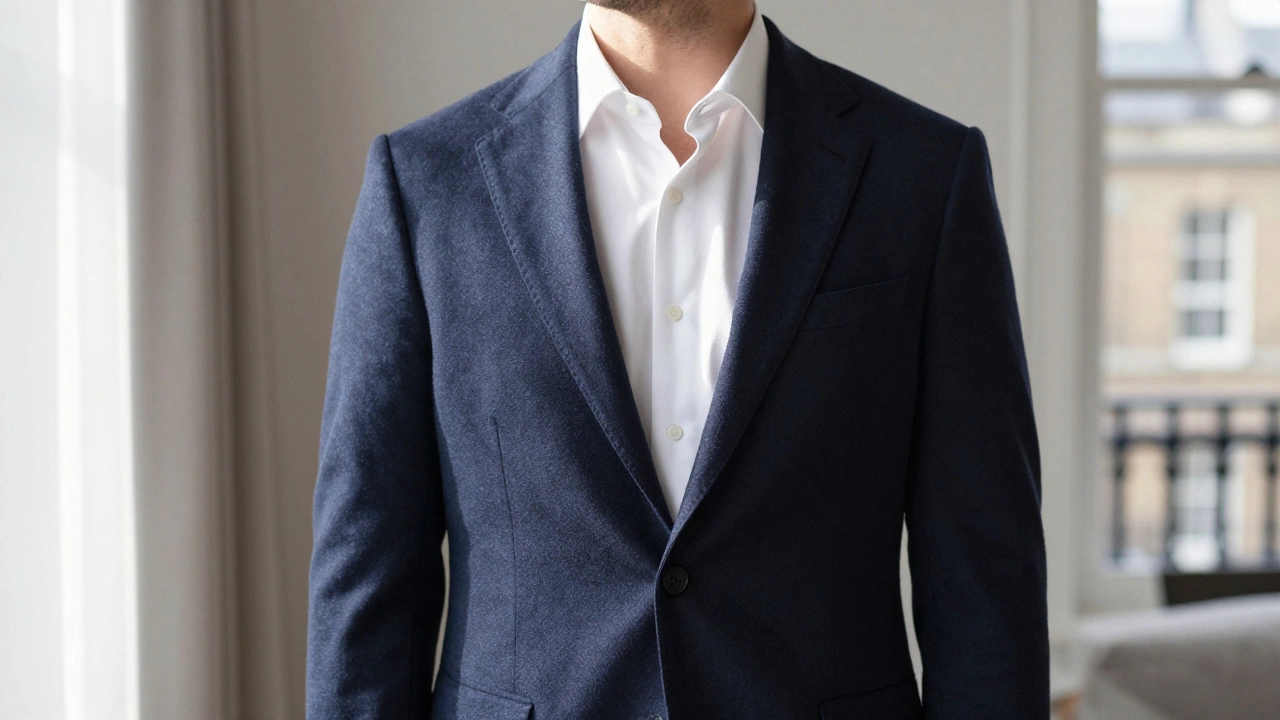
Men's Fit Analyzer
Fit Analysis Result
Excellent fit! Your garments respect your body's architecture.
Style Tips:
Key Fit Principles
- Shoulders: Seam should end exactly where your shoulder bone ends
- Sleeves: Should reveal about half an inch of shirt cuff
- Trousers: Slight single break at the shoe is ideal
- Jackets: Should close without straining or pulling
Walk into any high street shop today, and you will see racks of neon logos, oversized silhouettes, and fabrics that look like they were designed in a laboratory rather than a tailor’s shop. It is easy to feel lost. The question what clothes look best on a man seems simple, but the answer has become complicated by trends that change faster than the seasons. Yet, beneath the noise of fast fashion, there is a quiet truth about style that has remained constant for decades.
The best clothes on a man are not the ones that scream for attention. They are the ones that whisper confidence. They fit well, they are made from natural materials, and they serve a purpose beyond just covering the body. When you dress with intention, you do not follow trends; you set the tone for how others perceive you before you even speak. This is not about being expensive. It is about being effective.
The Foundation: Fit Is Non-Negotiable
If you take nothing else away from this discussion, let it be this: fit matters more than brand. You can wear a £50 shirt or a £500 shirt, but if either hangs off your shoulders like a tent or cuts into your arms like a vice, it fails. The human eye is remarkably sensitive to proportion. We may not know why something looks "off," but we know when it does.
A well-fitted garment respects your body’s architecture. For trousers, the waist should sit comfortably without needing a belt to hold them up (though a belt adds structure). The leg should break slightly at the shoe-just enough to show the fabric rests on the leather, not pile up in bunches. For shirts, the shoulder seam must end exactly where your shoulder bone ends. If it spills over, the shirt is too big. If it pulls tight, it is too small. There is no middle ground here.
Consider the jacket. It should close without straining. The sleeves should reveal about half an inch of your shirt cuff. This detail signals care. It suggests you have thought about every element of your appearance. In London, where business meetings often turn into casual drinks, this level of polish allows you to transition seamlessly between contexts without losing authority.
| Garment | Critical Fit Point | Common Mistake |
|---|---|---|
| Dress Shirt | Shoulder seam aligns with bone edge | Sleeves too long, hiding watch/cuff |
| Suit Jacket | Closes flat, no X-shape pulling | Too boxy, hiding natural waist |
| Trousers | Slight single break at shoe | Puddling around ankles (too long) |
| Chinos | Tapered leg, comfortable waist | Baggy thighs, restrictive knees |
Color Theory: Less Is More
Once fit is secured, color becomes the next layer of communication. Many men fall into the trap of wearing only black or only navy, fearing that anything else might look foolish. But a restricted palette limits your versatility. The most effective wardrobes rely on a foundation of neutral tones that work together effortlessly.
Think of your wardrobe as a canvas. Navy blue is the most versatile color a man can own. It is authoritative yet approachable, suitable for both boardrooms and weekend dinners. Charcoal grey offers a softer alternative to black, which can sometimes appear harsh or funereal unless worn correctly. Stone, beige, and olive green add warmth and texture without overwhelming the eye.
When combining colors, aim for contrast that complements rather than clashes. A navy blazer with light grey trousers creates a sharp, professional look. Brown shoes pair beautifully with navy and grey, while black shoes are best reserved for formal suits or evening wear. Avoid mixing brown and black in the same outfit unless you are highly skilled at balancing shades-a risky move for most.
Patterns should be used sparingly. A subtle stripe on a shirt or a faint check on a tie adds interest without distraction. If you choose to wear a bold pattern, ensure the rest of your outfit is plain. Let one piece be the star. This rule prevents visual chaos and keeps the focus on your presence, not your clothing.
Fabric Matters: Quality Over Quantity
We live in an age of synthetic convenience. Polyester blends promise wrinkle resistance and durability, but they often sacrifice breathability and drape. Natural fibers-wool, cotton, linen, and silk-breathe with your body. They adapt to temperature changes and develop character over time. A wool suit feels lighter and moves better than its polyester counterpart. A cotton shirt stays crisp longer and resists odors more effectively.
Investing in quality fabrics means buying fewer items. Instead of purchasing five cheap shirts that lose shape after three washes, buy two excellent ones that last for years. This approach saves money in the long run and reduces waste. It also reflects a mindset of stewardship-caring for what you own rather than constantly replacing it.
Pay attention to weight and weave. Heavier wools are ideal for winter coats, providing warmth and structure. Lightweight linens keep you cool in summer but wrinkle easily, which is part of their charm. Cotton twill holds its shape well for chinos, while oxford cloth offers a rugged elegance for casual shirts. Understanding these differences helps you choose the right material for each occasion.
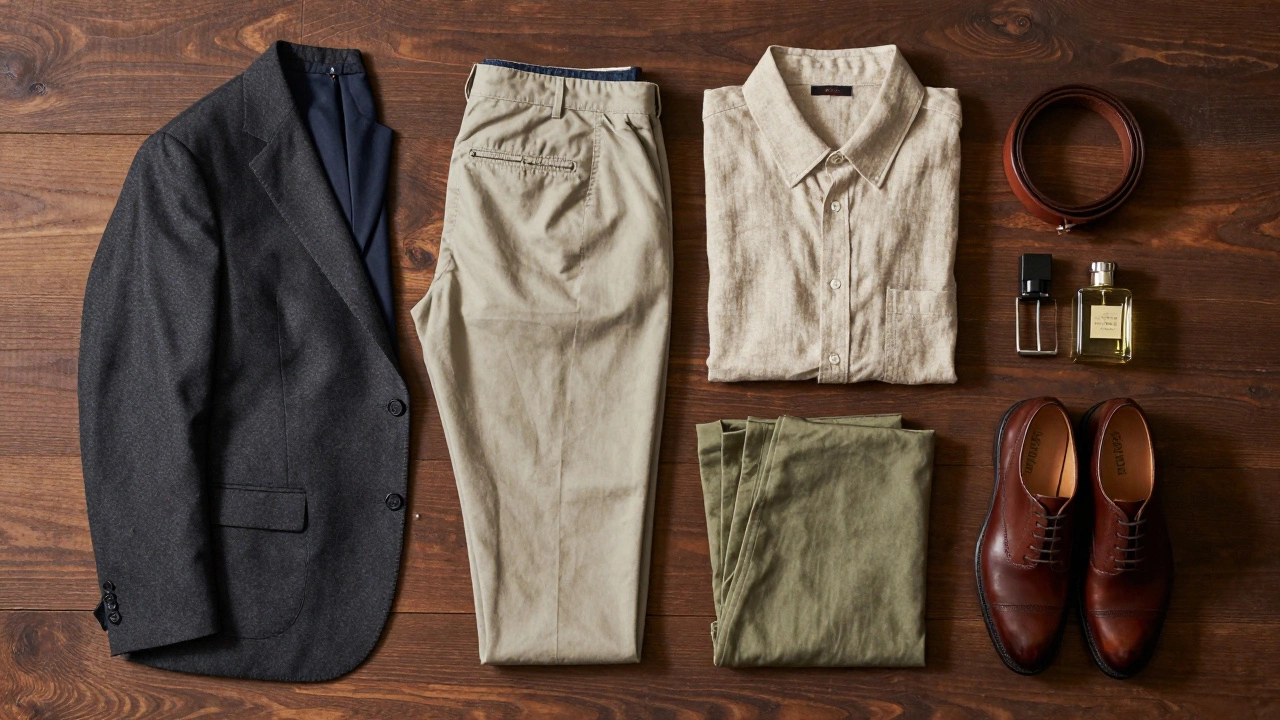
Building a Capsule Wardrobe
A capsule wardrobe is not about deprivation; it is about efficiency. It consists of a small collection of interchangeable pieces that mix and match to create numerous outfits. For the modern gentleman, this might include:
- Two navy blazers (one structured, one unstructured)
- Three dress shirts (white, light blue, pale pink)
- Two pairs of tailored trousers (grey, navy)
- One pair of dark denim jeans
- Two pairs of chinos (khaki, olive)
- Five t-shirts (black, white, grey, navy, burgundy)
- One quality leather belt (brown)
- Two pairs of shoes (brown derby, black oxford)
With these items, you can dress appropriately for almost any scenario. Want to attend a client meeting? Pair the navy blazer with grey trousers and a white shirt. Going to a casual Friday event? Combine chinos with a polo shirt and loafers. Traveling? Dark jeans, a merino wool sweater, and a field jacket offer comfort and style.
The beauty of this system lies in its simplicity. You spend less time deciding what to wear and more time living your life. Each piece earns its place through utility and aesthetics. Nothing is redundant. Everything works together.
Grooming: The Invisible Layer
Clothes cannot compensate for poor grooming. No matter how perfectly tailored your suit is, unkempt hair, dirty nails, or bad hygiene will undermine your image. Grooming is the invisible layer of style that completes the picture.
Start with hair. Keep it clean and styled in a way that suits your face shape. Regular trims maintain shape and prevent split ends. Facial hair should be intentional. If you grow a beard, keep it trimmed and shaped. If you shave, do so daily to avoid stubble unless it is part of your deliberate look.
Nails are often overlooked. Clean, short nails signal attention to detail. Use a moisturizer to keep hands soft, especially if you work in dry climates or use hand sanitizer frequently. Footwear care extends to socks-ensure they are clean and free of holes. These small details accumulate to form a holistic impression of competence and respect for oneself and others.
Finally, consider scent. A subtle cologne can enhance your presence without overpowering those around you. Choose scents that complement your personality-woodsy notes for earthiness, citrus for freshness, aquatic for cleanliness. Apply sparingly; the goal is to be noticed when someone leans in, not when they walk into the room.
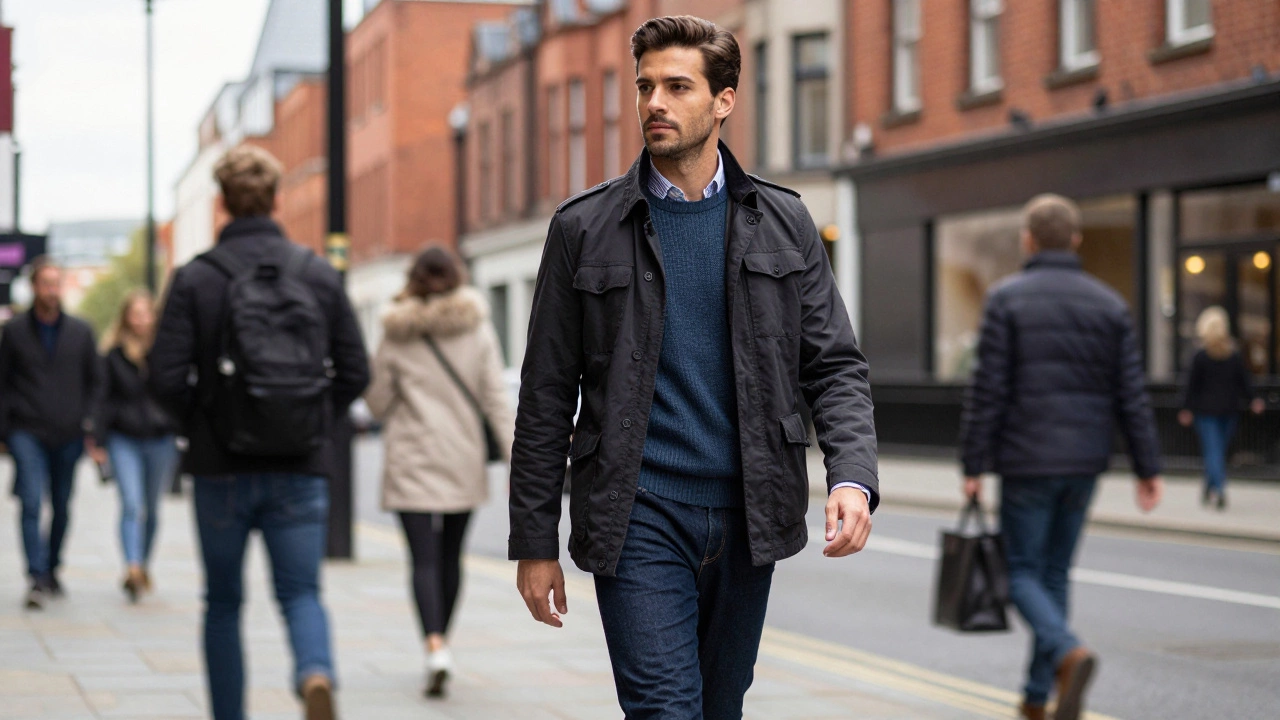
Contextual Dressing: Reading the Room
Dressing well also means understanding context. What works in a creative agency may not work in a law firm. What fits a beach wedding may not fit a corporate gala. Learning to read the room is a skill that develops with experience.
In professional settings, err on the side of formality. It is easier to loosen a tie than to find one later. In social situations, observe what others are wearing and adjust accordingly. If everyone is in jeans and t-shirts, wearing a full suit might make you stand out negatively. Conversely, if the dress code is smart casual, arriving in athletic wear shows disrespect.
Seasonal adjustments are equally important. Winter calls for layers-turtlenecks under jackets, scarves, gloves. Summer demands lightness-linen shirts, open collars, breathable fabrics. Adapting to weather conditions ensures comfort, which directly impacts confidence. Nobody looks good when they are sweating profusely or shivering uncontrollably.
Final Thoughts: Style as Self-Expression
Ultimately, the best clothes on a man are those that reflect his values. Do you value tradition? Lean towards classic tailoring and heritage brands. Do you value innovation? Experiment with modern cuts and sustainable materials. Do you value minimalism? Stick to monochromatic palettes and clean lines.
Style is not about conformity. It is about authenticity. When you dress in a way that feels true to who you are, you project confidence. People notice. They may not articulate why, but they will respond positively. You become memorable not because you wore the loudest outfit, but because you carried yourself with grace and intention.
Take time to curate your wardrobe. Remove items that no longer serve you. Invest in pieces that elevate your daily routine. And remember, style is a journey, not a destination. It evolves as you do. Stay curious, stay critical, and above all, stay comfortable in your own skin.
What is the most important rule of men's fashion?
Fit is the most important rule. Even the most expensive clothes look bad if they do not fit properly. Ensure shoulders align, lengths are appropriate, and garments allow movement without bagging or pulling.
How many suits should a man own?
For most professionals, two suits are sufficient: one navy and one charcoal grey. These colors are versatile enough for interviews, weddings, and business meetings. Add a third if you travel frequently or have specific industry requirements.
Can I wear black jeans to a business casual office?
Yes, provided they are dark-wash, slim-fit, and free of distressing. Pair them with a button-down shirt and leather shoes to elevate the look. Avoid ripped or faded denim in professional environments.
What shoes go with everything?
Brown derby shoes are incredibly versatile. They pair well with navy suits, grey trousers, chinos, and even dark jeans. Black oxfords are more formal and limit flexibility, making browns a safer everyday choice.
Is it okay to mix patterns?
Mixing patterns requires caution. Start with contrasting scales-for example, a large plaid jacket with a fine striped shirt. Ensure colors harmonize. If unsure, stick to one patterned item per outfit to avoid visual clutter.