
A gentleman isn’t defined by a tailored suit or a pocket square. He doesn’t earn the title by owning a luxury watch or dining at Michelin-starred restaurants. Those are trappings. The real measure lies in what he does when no one is watching - and how he treats people when it costs him nothing to be kind.
The Root of the Word
The word gentleman comes from the Old French gentilhomme, which itself traces back to Latin gentilis, meaning ‘of noble birth’. But over centuries, the meaning shifted. By the 18th century, it was no longer about lineage. It became about conduct. A gentleman was someone who carried himself with dignity, spoke with restraint, and acted with integrity - regardless of his bank account.
Today, that definition still holds. Being a gentleman isn’t inherited. It’s chosen. Every day. In small, quiet ways.
It’s About Presence, Not Performance
Too many men confuse being a gentleman with performing masculinity. They think it’s about dominance, volume, or control. But true gentility is the opposite. It’s quiet. It’s attentive. It’s the man who listens more than he speaks, who holds the door not because he’s being polite, but because it’s simply the right thing to do.
At a business meeting, the gentleman doesn’t interrupt. He waits. He nods. He lets others finish. He doesn’t need to be the loudest voice in the room to be the most respected. He knows that influence isn’t shouted - it’s earned through consistency.
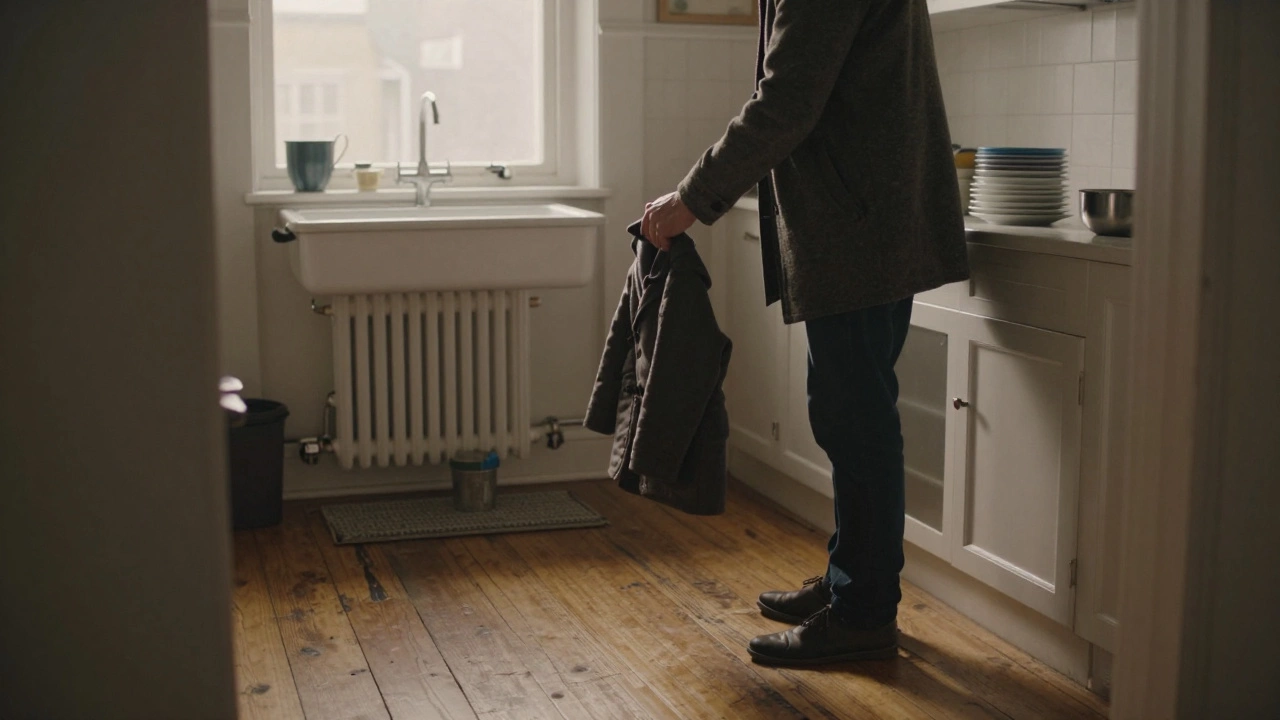
At home, he doesn’t wait to be asked to help. He sees the dishes in the sink, the laundry piled high, the child’s coat left on the floor - and he acts. Not for praise. Not for gratitude. Because it’s his responsibility, and he owns it without resentment.
Respect Is Non-Negotiable
A gentleman respects everyone - not just those who can help him. The barista who remembers his order. The cleaner who arrives before dawn. The colleague who speaks softly but thinks deeply. These are the people he treats with the same courtesy he extends to a CEO.
He doesn’t make assumptions based on appearance, accent, or title. He doesn’t roll his eyes at someone’s opinion. He asks questions instead of making judgments. He understands that wisdom doesn’t wear a suit.
This isn’t performative kindness. It’s rooted in the belief that every human being deserves dignity. That’s not trendy. It’s timeless.

Self-Control Is the Foundation
Anger is easy. Reacting is instinctive. But a gentleman chooses restraint. He doesn’t yell in traffic. He doesn’t gossip behind closed doors. He doesn’t post in the heat of the moment. He takes a breath. He walks away. He writes the email - then deletes it.
He knows that control over his emotions is the highest form of strength. Not brute force. Not loud declarations. The quiet discipline to hold his tongue when he wants to lash out. To pause before responding to an insult. To forgive without needing to announce it.
This is the mark of maturity. Not age. Not wealth. But the ability to master yourself before trying to master the world.
Style Is an Expression of Respect
Yes, appearance matters. Not because it’s vanity, but because it’s communication. A well-fitted jacket, clean shoes, a neatly trimmed beard - these aren’t about impressing others. They’re about showing respect for the occasion, for the people you’re with, and for yourself.
A gentleman doesn’t dress to stand out. He dresses so he doesn’t distract. He knows that when you look put together, you feel more grounded. When you look like you care, others take you more seriously - not because of the brand, but because of the intention behind it.
He doesn’t chase trends. He invests in pieces that last: a wool overcoat, a pair of leather boots, a cotton shirt that softens with time. He cares for them. He repairs them. He doesn’t throw things away because they’re outdated - he outgrows them.
Quiet Integrity
The gentleman doesn’t need to broadcast his good deeds. He doesn’t post about donating to charity. He doesn’t mention how hard he worked on a project just to get credit. He does it because it’s right.
He keeps his word. Even when it’s inconvenient. He returns the extra change. He admits when he’s wrong. He doesn’t shift blame. He doesn’t make excuses. He owns his mistakes - and learns from them.
This is the quiet power of integrity. It doesn’t make headlines. But it builds trust. And trust is the only currency that lasts.

What a Gentleman Doesn’t Do
He doesn’t dominate conversations. He doesn’t interrupt. He doesn’t use his status to belittle. He doesn’t make others feel small to feel big himself.
He doesn’t expect loyalty without giving it. He doesn’t demand respect without earning it. He doesn’t confuse confidence with arrogance. He doesn’t mistake silence for weakness.
He doesn’t need to prove he’s a gentleman. He simply lives like one.
How to Start Today
You don’t need to overhaul your life to become a gentleman. You just need to begin with one choice.
- Today, listen more than you speak - in every conversation.
- Hold the door for the person behind you, even if they’re not carrying anything.
- Write a thank-you note - not for a gift, but for someone’s time.
- Apologize sincerely when you’re wrong - without justifying it.
- Take five minutes before reacting to something that upsets you.
These aren’t grand gestures. They’re daily habits. And habits, repeated over time, become character.
Legacy Is Built in Silence
When you’re gone, no one will remember the car you drove or the watch you wore. But they’ll remember how you made them feel. Did you make them feel seen? Heard? Valued? Did you leave them better than you found them?
That’s the true measure of a gentleman.
It’s not about perfection. It’s about persistence. Not about being the best. But about being the kind of man you’d want your son to become.