
EDC Kit Builder & Budget Estimator
Curate your daily kit based on the article's principles of utility and minimalism. Toggle items below to generate your loadout.
FinanceWallet Strategy
ToolsProblem Solvers
LightVision & Safety
UtilityHealth & Power
Kit Analysis
Est. Budget
Recom: £100 - £300Total Weight
Target: < 300gGentleman's Rating
Your kit focuses on solving problems efficiently without unnecessary bulk.
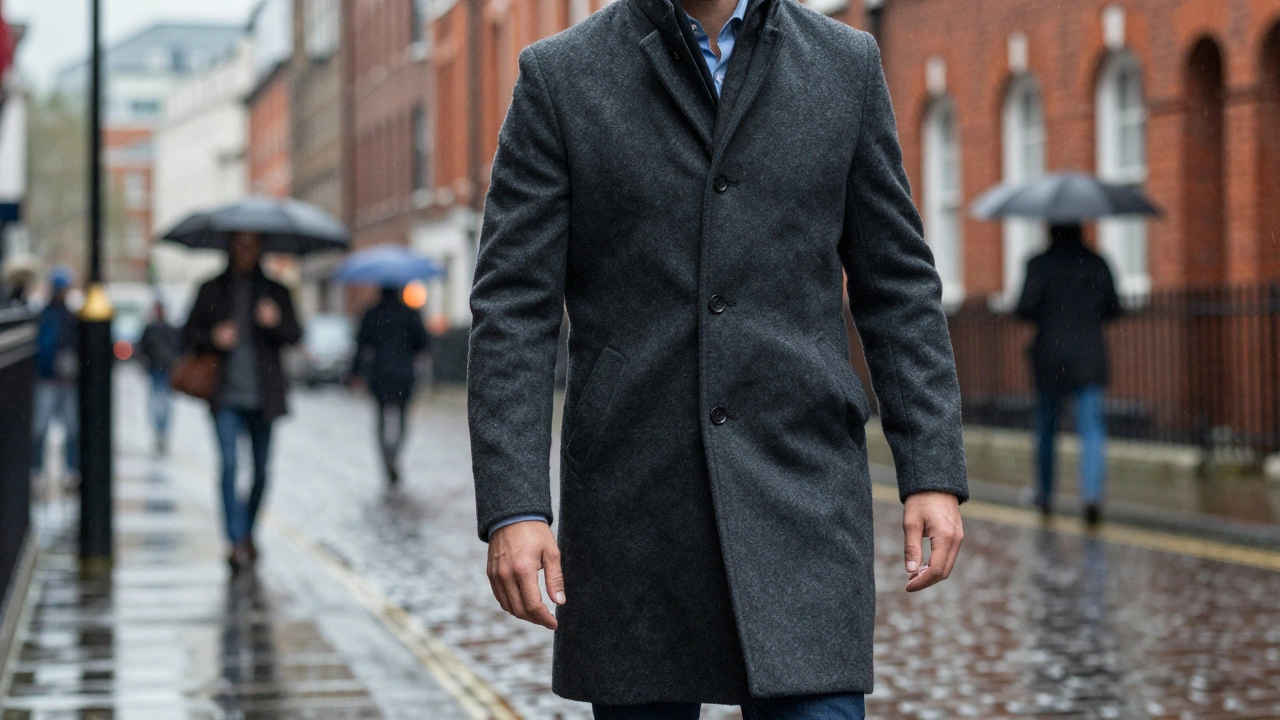
There is a quiet confidence that comes from being prepared. When you walk through the streets of London in a sudden downpour or find yourself locked out of your car, the difference between panic and composure often lies in what you keep in your pockets.
The concept of Everyday Carry is a collection of items carried daily to handle common situations efficiently and confidently. Also known as EDC, it was originally rooted in tactical needs but has evolved into a philosophy of practical minimalism for the modern man. Today, this practice is less about surviving the wilderness and more about navigating the complexities of urban life with dignity.
The Philosophy of Modern Utility
A true gentleman does not carry unnecessary weight. He carries tools that solve problems before they become crises. In 2026, our environment demands different skills than our grandparents faced, yet the core principle remains: anticipation creates freedom. You do not want to rummage through a chaotic bag when a simple task requires a solution.
This approach mirrors the design of high-quality clothing. Just as a tailored suit fits the body perfectly, your daily kit should fit the rhythm of your day. It must disappear when not needed but appear instantly when called upon. This balance requires editing ruthlessly. If an item has not served a purpose in three months, it is likely dead weight. We aim for reliability, not variety.
Financial Essentials and Organization
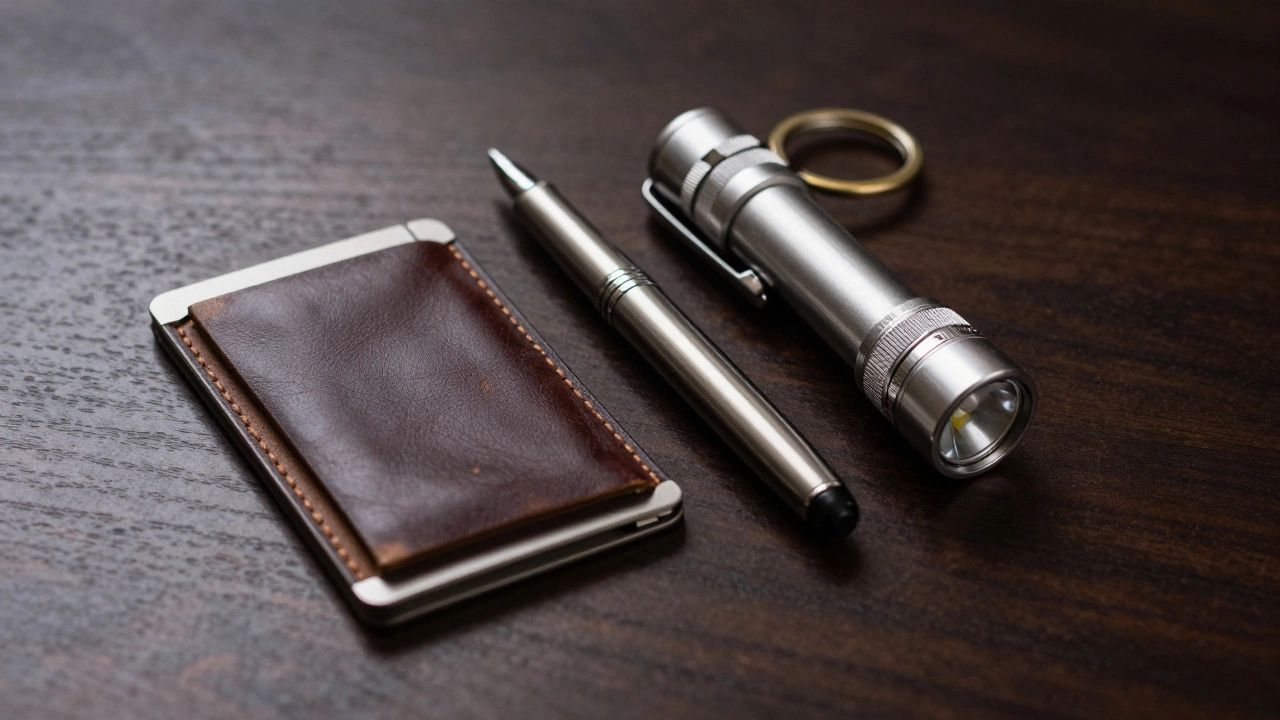
The first category of critical tools involves identity and finance. Your wallet is not merely a container for cards; it is a security device for your assets. In the past, heavy bifold wallets filled with receipts cluttered pockets. Today, we favour streamlined solutions.
| Style | Security Feature | Profile Impact |
|---|---|---|
| Bifold | RFID Blocking Liner | Moderate Bulk |
| Cardholder | Titanium Shell Protection | Low Profile |
| Coin Case | Magnetic Closure | High Profile |
In the UK, physical coins are becoming obsolete, but a small slot for change remains useful for older machines or tips. Look for materials that age gracefully, such as full-grain leather or brushed steel. These materials develop a patina over time, reflecting your history rather than showing wear. A cheap synthetic wallet often cracks within a year, whereas a quality hide becomes part of your permanent kit.
Always ensure you have a secure method for card retrieval. In crowded areas like the Tube or busy retail queues, keeping your primary payment methods close to your hand reduces the risk of snatching. A front-pocket location is generally safer than a deep back pocket where access is difficult.
Writing Instruments and Documentation
Many assume the digital age has replaced the need for writing tools. This is a misconception. While phones record notes, a physical signature verifies intent. When signing contracts, leaving a note for family, or registering at an event, a functional pen is non-negotiable.
Fountain Pen is a writing instrument that uses liquid ink stored in a reservoir or cartridge to flow continuously to the nib. Unlike ballpoint mechanisms which require pressure, a fountain pen glides over paper. For daily carry, however, durability is key.Ideally, you should select a hybrid model. A ballpoint mechanism ensures the pen works even if the ink dries, while a retractable clip keeps it secured to your shirt pocket or notebook. Do not settle for promotional plastic pens. They fail precisely when you need them most. Invest in one solid piece of hardware that you trust completely. Keep spare refills nearby if you know they are reliable.
Light and Vision in Dim Conditions
Street lighting in cities is inconsistent. Whether checking under the bonnet of a vehicle in a dark car park or navigating a basement stairwell, a light source is essential. Smartphones work in emergencies, but draining the battery for a temporary fix is inefficient. Dedicated lighting is superior.
You need something small enough to attach to a keyring. A compact LED flashlight offers hundreds of lumens in a size comparable to a coin. Modern LEDs last years without needing replacement. Look for a unit made of aircraft-grade aluminium that withstands drops. It serves a dual purpose: illumination and self-defence in extreme circumstances, though its primary role is visibility and safety.
Consider the beam pattern. A wide flood light helps you see your surroundings broadly, while a focused spot beam aids in inspecting specific mechanical parts. The best units offer both modes. Carrying this in a jacket pocket ensures immediate access during evening commutes or late returns home.
Tools for Minor Repairs
Modern furniture and technology often require adjustment or tightening. A loose screw on a laptop hinge or a broken chair leg are common domestic annoyances. While specialized kits exist, a single multi-tool serves as the backbone of any repair strategy.
The goal is versatility. A robust folding plier set allows you to grip, cut, and tighten without carrying separate implements. Some designs include flathead screws and bottle openers, which prove surprisingly useful at social gatherings or picnics. Quality here dictates longevity. Cheap stamped metal bends under pressure. Buy once, cry once.
For those who prefer simplicity, a small fixed-blade knife is preferable if local regulations allow. However, in a densely populated city like London, discretion is vital. A lock-back folder complies with legal statutes while offering a sharp edge for opening packages or cutting straps. Always respect local laws regarding blade length and locking mechanisms when carrying outside of your home.
Digital Connectivity and Power
Your smartphone is arguably your most valuable asset. Without power, connectivity ceases. Battery degradation in modern devices is predictable, and a phone dying during a business meeting is unacceptable. Portable power banks must be carried discreetly.
Power Bank is a portable electronic device containing batteries for charging other devices via USB cables. In 2026, wireless charging standards allow for slimmer designs. However, physical ports ensure compatibility.Choose a capacity of around 10,000 mAh. This provides approximately two full charges for a typical device without adding excessive weight. A larger 20,000 mAh unit adds bulk that may not be justified for a standard commute. Cable management is also critical. Braided cables resist fraying and tangling better than standard silicone strands.
Consider a hub adapter for those moments when you need to connect a presentation to a projector or charge multiple devices simultaneously. Many modern laptops lack traditional ports, making a multi-function connector essential for professional environments. Keep this in your briefcase or day bag alongside your EDC items.
Hygiene and Health Considerations
We spend hours in shared spaces, from train carriages to conference rooms. Personal hygiene impacts how others perceive you, regardless of your attire. Small health tools maintain your presence throughout the day. This includes basic antiseptic wipes and hand sanitizer.
A travel-sized sanitizer bottle fits easily into a jacket pocket or coat lining. It requires no active attention until needed, then cleanses hands effectively against bacteria accumulated from railings and door handles. Similarly, a pack of tissues offers relief during unexpected colds. While you hope not to use them, having them prevents visible distress during client meetings.
Safety extends beyond health. A small pair of scissors can remove clothing caught on machinery or cut a seatbelt in an emergency. Compact tin cases hold these sharps securely without poking through fabric. These items should never be forgotten, as they address potential risks that could escalate quickly.
Seasonal Adaptation
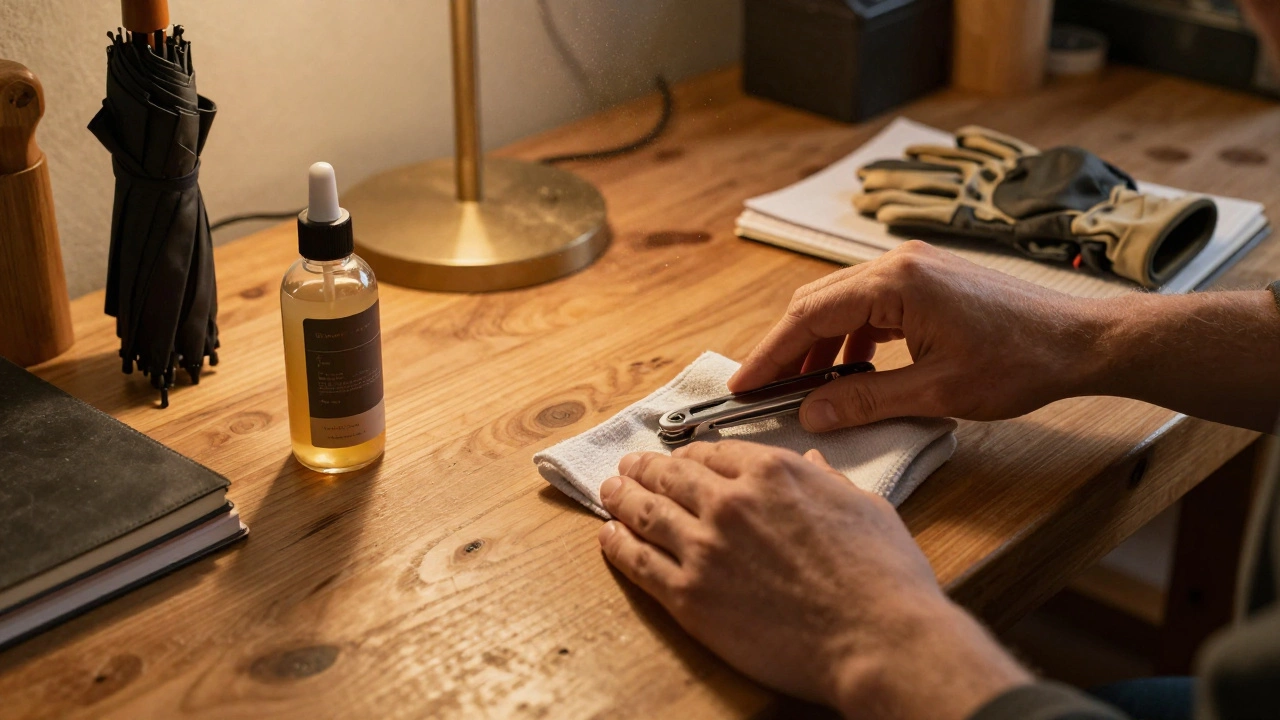
Your kit must shift with the climate. London winters bring rain and mud, requiring different tools than dry summer months. Waterproof gloves keep hands warm for operating keys or doors without needing to remove protective layers. A sturdy umbrella that resists wind gusts belongs in your handbag or coat rack, not just a desk drawer.
Conversely, summer heat increases water consumption. A collapsible water bottle avoids the need to buy disposable plastics and ensures hydration. In colder months, lip balm protects skin from harsh winds. These minor adjustments show foresight. They signal that you anticipate changes in your environment rather than reacting to them passively.
Storage space is finite. Evaluate your kit quarterly. Remove items that accumulate dust. Add seasonal tools as the calendar changes. This cycle maintains efficiency and ensures you always have exactly what is required for the present moment.
Maintenance and Long-Term Care
Good equipment lasts only if cared for. Rust on a knife or frayed leather diminishes utility and appearance. Clean metal surfaces regularly to prevent oxidation. Condition leather wallets every six months to prevent cracking. Check seals on waterproof containers annually.
Organization is part of maintenance. Designated slots prevent loss. When an item is returned to its place immediately, you build a habit of order. This discipline extends beyond objects to mental clarity. A disordered kit reflects a disordered mind. Take pride in the upkeep of your tools.
Is EDC considered survival gear?
No, everyday carry focuses on urban utility and convenience rather than wilderness survival. The goal is solving daily urban problems efficiently.
What is the minimum recommended budget for a good kit?
A functional high-quality kit ranges between £100 and £300 depending on brands. Investing in durable materials saves money over time compared to replacing cheap items frequently.
Can I carry a knife in the UK legally?
Carrying a blade in public is illegal unless you have a reasonable excuse, such as work necessity. Fixed blades are restricted, and folding knives must comply with blade length limits.
How do I prevent my wallet from bulging my pocket?
Remove all credit cards and receipts that are expired or unused. Opt for slim cardholders instead of thick bifolds to reduce profile impact.
Why is leather preferred over synthetic materials?
Leather develops a unique character over time and lasts significantly longer than synthetics which tend to crack or peel after limited use.