

The Gentleman's Code: Character Assessment Tool
Assessment Complete
out of 3 scenarios mastered
Forget the velvet ropes, the monocles, and the idea that being a true gentleman is about birthright or bank accounts. Those are caricatures from a bygone era, useful for movies but useless in real life. If you walk into a room and expect people to defer to you because of your surname or your suit, you aren’t a gentleman; you’re just entitled. And entitlement is the exact opposite of what we’re talking about here.
So, what is it? At its core, a true gentleman is defined by his conduct, not his costume. It is a daily practice of self-discipline, empathy, and integrity. It’s how you treat the barista when no one is watching. It’s how you handle failure without blaming others. It’s the quiet confidence that comes from knowing who you are, rather than needing to shout it from the rooftops. In a world that often rewards noise and aggression, choosing to be composed and respectful is actually a radical act.
The Foundation: Integrity Over Image
Style gets you noticed, but character keeps you there. You can buy the most expensive tailored suit on Savile Row, but if you lie to your colleagues or break promises to your friends, that fabric won’t save you. A true gentleman understands that his word is his bond. When he says he will do something, he does it. Not because he’s afraid of consequences, but because inconsistency feels wrong to him.
This isn’t about being perfect. It’s about accountability. We all make mistakes. The difference lies in the aftermath. Does he deflect blame? Does he get defensive? Or does he look at the situation, own his part in it, apologize sincerely, and fix it? That level of emotional maturity is rare. It signals to everyone around him that he is safe, reliable, and strong. Strength, in this context, isn’t physical dominance; it’s the ability to control your reactions and take responsibility for your actions.
Consider the professional setting. A manager who takes credit for his team’s work might climb the ladder quickly, but he won’t stay at the top for long. People smell insecurity masked as arrogance. The man who elevates others, who gives credit where it’s due, builds a legacy of trust. That is the currency of a gentleman. It compounds over time, opening doors that money simply cannot kick open.
Empathy: The Quiet Power of Listening
There is a misconception that gentlemen are stoic, unfeeling robots. Nothing could be further from the truth. True strength requires high emotional intelligence. A gentleman listens more than he speaks. He doesn’t wait for his turn to talk; he actively seeks to understand the person in front of him. This isn’t a tactic to manipulate outcomes; it’s a genuine interest in human experience.
Think about your last conversation. Did you spend half of it thinking about what you were going to say next? Most of us do. A true gentleman breaks that habit. He asks follow-up questions. He notices when someone seems distracted or upset and checks in without making it a big production. This kind of attentiveness makes people feel seen and valued. It creates deep connections that superficial charm never can.
Empathy also extends to those who can do nothing for you. How you treat service staff, strangers in traffic, or people with opposing viewpoints reveals your true nature. If you are polite only to those above you in status, you are performing, not being. Consistency is key. Whether you are dining at a five-star restaurant or eating fast food in your car, your manners should remain steady. This consistency shows that your respect for others is intrinsic, not transactional.
Manners in the Digital Age
Manners have evolved. They aren’t just about pulling out chairs or holding doors anymore-though those gestures still hold weight. Today, digital etiquette is just as important. A true gentleman respects other people’s time and attention, both online and offline. He knows when to put his phone away during a dinner date. He doesn’t text back immediately if he’s in the middle of a meeting, nor does he leave someone on read for days without explanation.
Social media presents a unique challenge. It is easy to hide behind a screen and say things you would never say face-to-face. A gentleman exercises restraint. He thinks before he posts. He avoids engaging in toxic arguments or spreading unverified information. He uses technology to connect and inform, not to provoke or perform. His digital footprint reflects his values: thoughtful, respectful, and constructive.
Consider the email. In a world of instant messaging, taking the time to write a clear, well-structured, and polite email is a sign of professionalism and care. It shows that you value the recipient enough to communicate clearly. Small details matter. Using proper grammar, addressing people correctly, and proofreading before hitting send demonstrate a level of diligence that stands out in a careless world.
Style: Subtle Confidence, Not Loud Logos
Let’s address the elephant in the room: appearance. Does a true gentleman care about how he looks? Absolutely. But his approach to style is different from the trend-chaser. He dresses for himself, not for applause. His wardrobe is curated, not collected. He prefers quality over quantity, fit over brand names.
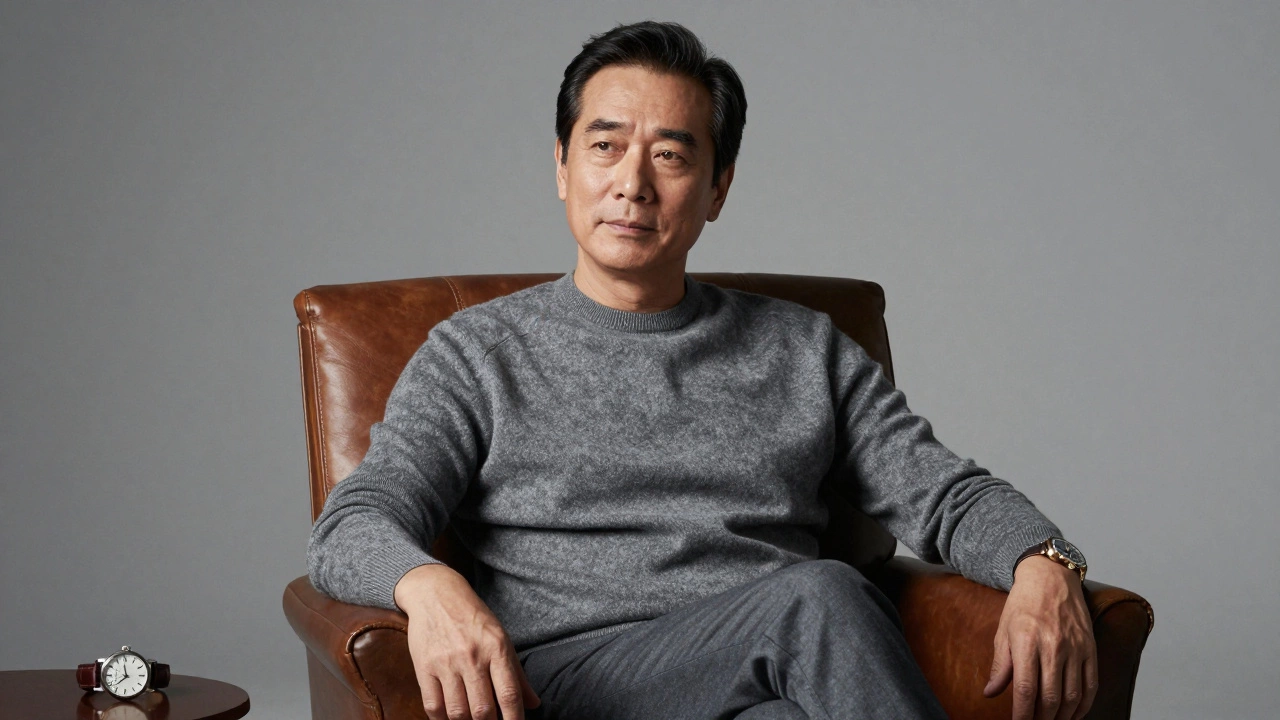
A classic example is the watch. A man obsessed with status might wear a flashy, oversized piece with a logo the size of a dinner plate. A gentleman wears a timepiece that tells time accurately and elegantly. It might be vintage, it might be simple, but it fits his wrist and his lifestyle. The same applies to clothing. A well-fitted navy blazer, crisp white shirt, and dark trousers will always look better than a poorly fitting designer suit covered in logos.
Grooming is equally important. Clean nails, fresh breath, and a haircut that suits his face shape show self-respect. It signals to others that he respects them enough to present his best self. This isn’t about vanity; it’s about hygiene and order. A disheveled appearance can suggest chaos in other areas of life. A groomed appearance suggests intentionality. Aim for understated elegance. Let your actions speak louder than your accessories.

Resilience and Composure Under Pressure
Life throws curveballs. Jobs are lost, relationships end, health fails. A true gentleman doesn’t crumble under pressure. He maintains composure. This doesn’t mean he suppresses his emotions; it means he processes them constructively. He allows himself to feel grief or anger, but he doesn’t let those feelings dictate his behavior toward others.
Composure is a muscle. It’s built through practice. Meditation, exercise, and reading can help develop mental resilience. When faced with a crisis, the first instinct might be to panic or lash out. The gentleman pauses. He breathes. He assesses the situation objectively. Then he acts. This calm demeanor is contagious. It reassures those around him that everything will be okay, even if it isn’t yet.
Think of a captain steering a ship through a storm. He doesn’t scream orders or jump around in fear. He stays at the helm, focused and steady. That is the energy a gentleman brings to difficult situations. He becomes a source of stability for his family, his team, and his community. In times of uncertainty, people gravitate toward those who remain grounded. Being that anchor is one of the highest forms of leadership.
Generosity Without Expectation
Finally, a true gentleman gives freely. Not because he wants recognition, but because he believes in lifting others up. Generosity isn’t just about money. It’s about time, knowledge, and opportunity. He mentors younger colleagues. He helps a neighbor carry groceries. He shares his expertise without hoarding it.
This generosity comes from a place of abundance, not scarcity. He doesn’t keep score. He doesn’t expect a return on investment for every kind deed. If he did, it wouldn’t be generosity; it would be a business transaction. True giving is silent. It happens in the background, unnoticed by the public eye. The reward is the satisfaction of knowing he made someone else’s day a little easier.
In a culture that often celebrates accumulation, choosing to give is powerful. It shifts the focus from what you have to what you can contribute. It builds a network of goodwill that supports you when you need it most. But again, that support shouldn’t be the goal. The goal is simply to be a good human being. Everything else follows.
| Trait | Misconception | Reality |
|---|---|---|
| Strength | Physical dominance or aggression | Emotional control and accountability |
| Style | Loud logos and expensive brands | Fitted, high-quality, timeless pieces |
| Listening | Waiting to speak | Active engagement and empathy |
| Manners | Only formal settings | Consistent respect in all interactions |
| Generosity | Showing off wealth | Quiet support and mentorship |
Is being a gentleman outdated?
No, the core values of a gentleman-integrity, respect, and empathy-are timeless. While specific social norms change, the underlying principles of treating others with dignity and maintaining personal honor remain relevant and necessary in any era.
Do women need to behave like gentlemen too?
The term "gentleman" is traditionally male, but the behaviors associated with it are universal virtues. Anyone, regardless of gender, can benefit from practicing integrity, active listening, and composure. These traits create better humans, not just better men.
How can I start acting more like a gentleman?
Start small. Practice active listening in your next conversation. Hold the door for someone behind you. Send a thank-you note after a meeting. Focus on consistency rather than grand gestures. Over time, these small habits build a reputation of reliability and respect.
Does a gentleman need to be wealthy?
Absolutely not. Wealth has no bearing on character. A true gentleman is defined by his actions and mindset, not his net worth. In fact, many of the most respected gentlemen in history were known for their humility and service, not their riches.
What is the biggest mistake men make trying to be gentlemen?
The biggest mistake is focusing on external appearances rather than internal character. Buying expensive clothes or memorizing etiquette rules without developing empathy and integrity results in a hollow performance. True gentleness comes from within and manifests naturally in behavior.