

True Partner Compatibility Assessment
Your Relationship Score
Result Title
Description goes here.
Detailed Breakdown:
You’ve likely heard the phrase "true partner" tossed around in movies, songs, and casual conversation. It sounds romantic, doesn’t it? But strip away the Hollywood gloss, and you’ll find something far more practical-and far more demanding. A true partner isn’t just someone who shares your bed or your bank account. They are the person who stands beside you when the world gets heavy, not just when the champagne is flowing.
For men who value integrity, self-respect, and quiet strength, understanding what constitutes a genuine partnership is crucial. It’s not about finding a perfect person; perfection doesn’t exist. It’s about finding someone whose flaws complement yours, whose values align with yours, and who challenges you to become a better version of yourself without trying to change who you fundamentally are.
The Foundation: Shared Values Over Shared Hobbies
Many men make the mistake of confusing chemistry with compatibility. You might share a love for hiking, whiskey, or classic cars, but if your core values diverge, that foundation will crack under pressure. A true partner is someone who shares your fundamental worldview on money, family, ambition, and ethics.
Consider this: If one of you believes financial security means saving every penny while the other views life as a series of experiences worth spending on, conflict is inevitable. This isn’t about right or wrong; it’s about alignment. When your values align, decision-making becomes effortless. You don’t need to debate whether to buy a house or travel the world because you already agree on what matters most.
Ask yourself these questions early in any relationship:
- How do we view responsibility?
- What does success look like to us?
- How do we handle failure or disappointment?
If the answers resonate, you’re building on solid ground. If they clash, no amount of physical attraction will sustain the bond long-term.
Emotional Availability: The Quiet Strength
There’s an old notion that men should be stoic, unyielding pillars of silence. While resilience is admirable, emotional availability is non-negotiable in a true partnership. A partner who can discuss fears, dreams, and frustrations openly creates a space where both individuals feel safe being vulnerable.
This doesn’t mean constant drama or oversharing. It means having the courage to say, "I’m struggling," or "I need support." When your partner responds with empathy rather than judgment, you build trust. Trust, after all, is the currency of lasting relationships.
Think of it like a tailored suit. A cheap off-the-rack jacket might fit okay at first glance, but it won’t move with you. An emotionally available partner adjusts to your movements, supports your posture, and makes you feel comfortable in your own skin. They listen-not to reply, but to understand.
Mutual Respect: The Non-Negotiable Standard
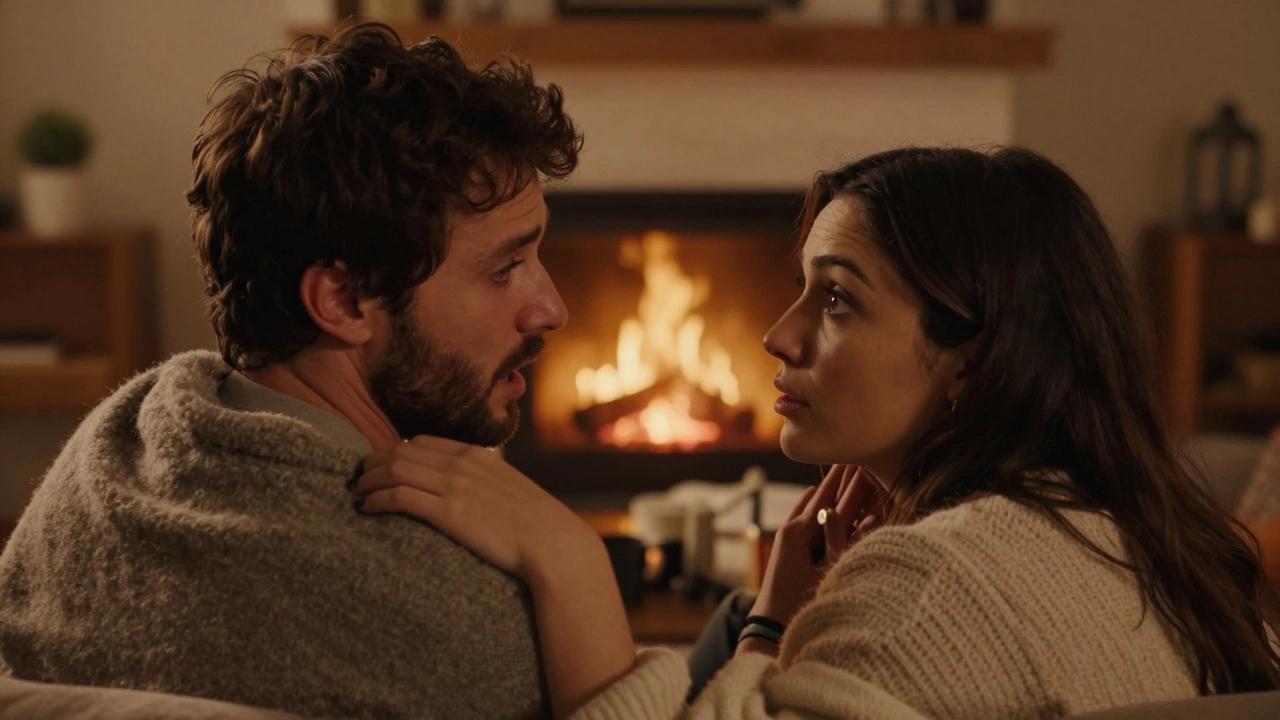
Respect isn’t just saying "please" and "thank you." It’s honoring each other’s autonomy, opinions, and boundaries. A true partner never belittles your ambitions, mocks your interests, or dismisses your feelings. Even during disagreements, respect remains intact.
Imagine two professionals collaborating on a high-stakes project. They may disagree on strategy, but they acknowledge each other’s expertise. They argue ideas, not personalities. That’s the standard for a healthy relationship. Criticism should always come from a place of care, not control.
Watch how your partner treats others-waitstaff, strangers, family members. How they treat people who can do nothing for them reveals their character. If they lack basic courtesy outside the relationship, don’t expect it inside.
Reliability: Actions Speak Louder Than Words
We live in an age of empty promises. People say they’ll call, they’ll help, they’ll change-but actions rarely follow. A true partner shows up. Consistently.
If they say they’ll be there at 7 PM, they arrive at 7 PM. If they promise to help you move, they bring boxes and sweat. Reliability builds confidence. Knowing someone has your back allows you to take risks in your career, your health, and your personal growth.
Look for small consistencies. Do they remember important dates? Do they check in when you’re stressed? Do they keep their word even when it’s inconvenient? These micro-moments add up to macro-trust.
Growth Mindset: Evolving Together
A stagnant relationship feels like a dead end. A thriving one feels like a journey. A true partner encourages your growth and grows alongside you. They celebrate your wins without jealousy and support your learning curves without condescension.
Maybe you decide to start a business. Maybe they want to return to school. Instead of viewing these changes as threats, a true partner sees them as opportunities to expand together. They ask, "How can I support you?" instead of "Why are you doing this to us?"
Growth requires patience. There will be seasons of tension, periods of adjustment. But if both parties are committed to becoming better humans, those challenges become stepping stones, not roadblocks.
Conflict Resolution: Fighting Fair
No relationship is free of conflict. The difference lies in how you fight. A true partner engages in constructive disagreement. They avoid name-calling, silent treatment, and bringing up past mistakes. They focus on solving the problem, not winning the argument.
Think of conflict as a negotiation table, not a battlefield. Both sides present their case, listen actively, and seek compromise. If one person always yields, resentment builds. If neither yields, stalemate ensues. Balance is key.
Practice active listening. Repeat back what you heard to ensure understanding. Say, "It sounds like you felt ignored when I canceled our plans. Is that correct?" This simple technique de-escalates tension and fosters clarity.

Independence Within Unity
A common misconception is that true partnership means losing oneself. In reality, the healthiest relationships thrive on individuality. A true partner respects your need for solitude, hobbies, and friendships outside the relationship.
You don’t need to attend every event together. You don’t need to share every interest. In fact, maintaining separate identities keeps the spark alive. When you spend time apart, you have fresh stories to tell, new perspectives to share.
Encourage each other’s independence. Support her career moves. Pursue your own passions. Then reunite with renewed energy and appreciation. Codependency breeds suffocation; interdependence breeds freedom.
| Positive Trait | Description | Red Flag Equivalent |
|---|---|---|
| Emotional Availability | Openly discusses feelings and listens empathetically | Dismissive, cold, or overly defensive |
| Mutual Respect | Honors boundaries and values opinions | Critical, controlling, or disrespectful |
| Reliability | Follows through on promises consistently | Flaky, unreliable, or makes excuses |
| Growth Orientation | Supports personal development and evolves together | Stagnant, resistant to change, or jealous |
| Fair Conflict | Focuses on solutions, not blame | Uses insults, silence, or manipulation |
Recognizing the Difference Early On
Time is your most valuable asset. Don’t waste years trying to fix someone who isn’t willing to grow. Pay attention to patterns, not potential. Potential is what you hope they’ll become; patterns are what they actually do.
If you find yourself constantly explaining why certain behaviors hurt you, or if you feel anxious about expressing your needs, step back. A true partner creates safety, not anxiety. They make you feel seen, not scrutinized.
Trust your instincts. If something feels off, it probably is. Men often ignore red flags because they’re afraid of being alone. But loneliness is preferable to a toxic dynamic. You deserve peace, not chaos.
Building Your Own Capacity for Partnership
Before you can recognize a true partner, you must embody those qualities yourself. Work on your emotional intelligence. Practice active listening. Manage your anger constructively. Be reliable in your own life.
Self-improvement isn’t selfish; it’s necessary. When you raise your standards, you attract higher-quality connections. Invest in therapy, read widely, surround yourself with positive influences. Become the man you’d want to partner with.
Remember: A true partner reflects your best self. So ensure you’re showing up as your best self too.
How do I know if my partner is truly committed?
Look for consistency in actions over time. A committed partner prioritizes the relationship, communicates openly about future plans, and invests effort even when things get difficult. They don’t just talk about commitment-they demonstrate it daily through reliability, respect, and emotional presence.
Can a relationship survive without shared hobbies?
Absolutely. Shared hobbies are nice but not essential. What matters more is shared values, mutual respect, and emotional compatibility. Many successful couples have entirely different interests but unite through deeper connections like life goals, ethical beliefs, and communication styles.
What should I do if my partner lacks emotional availability?
Start by having an honest conversation about your needs. Use "I" statements to express how you feel without blaming. If they’re unwilling to engage or improve, consider whether this relationship meets your long-term happiness. Sometimes, seeking couples counseling can help bridge gaps, but only if both parties are motivated.
Is it normal to lose independence in a serious relationship?
No. Healthy relationships encourage independence. You should maintain your own friends, hobbies, and goals. Losing yourself leads to resentment and codependency. A true partner celebrates your individuality and supports your personal growth alongside the relationship.
How can I work on becoming a better partner myself?
Focus on self-awareness and emotional regulation. Practice active listening, manage stress healthily, and communicate clearly. Read books on emotional intelligence, consider therapy, and reflect on past relationships. Becoming a better partner starts with becoming a healthier, more grounded individual.