
Basic Style Wardrobe Audit
Foundation Score
Check off items you own to see how complete your basic wardrobe is.
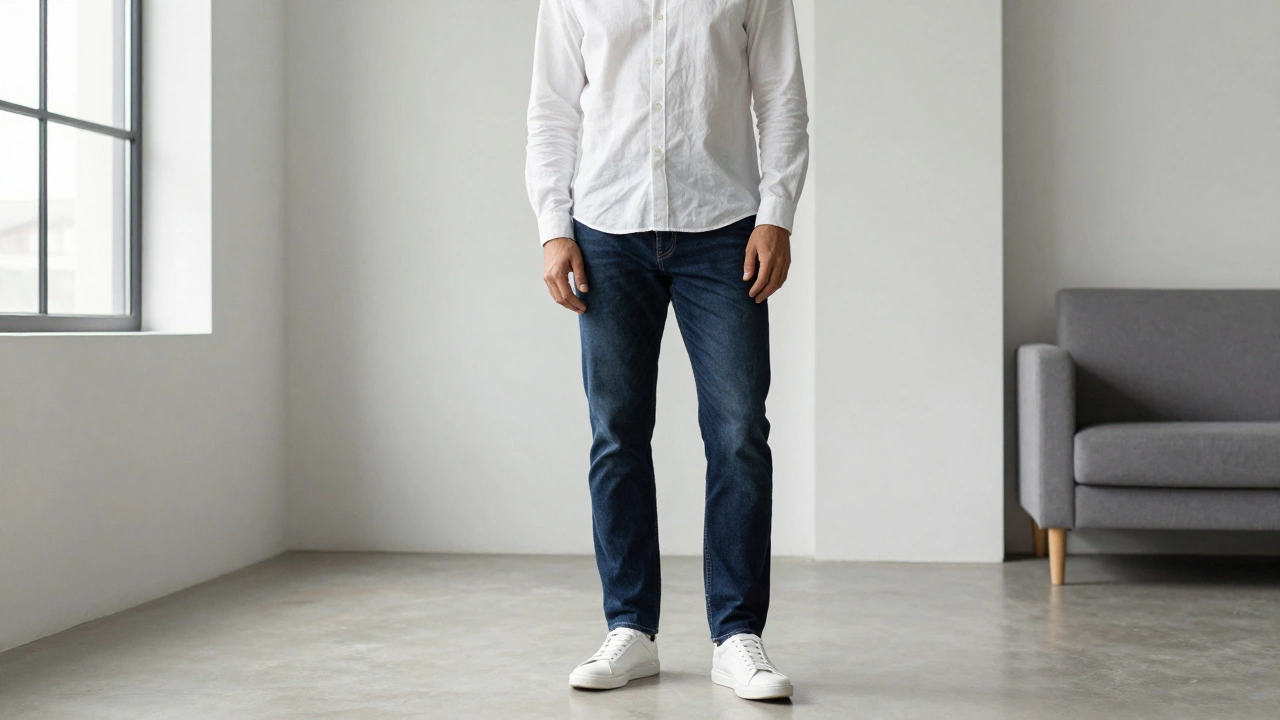
Walk into a crowded room, and what catches your eye first? It’s rarely the man in the neon logo tee or the oversized graphic hoodie. It’s usually the guy who looks put together without trying too hard. He wears a crisp white shirt, dark jeans, and clean leather shoes. He doesn’t shout for attention; he commands it through simplicity. This is the essence of basic style for men. But here’s the twist: looking "basic" isn’t about being boring. It’s about mastering the fundamentals so well that you become invisible to trends but unforgettable to people.
In an era where fast fashion dumps thousands of micro-trends onto social media feeds every week, sticking to basics feels almost rebellious. It requires discipline. It demands that you curate rather than consume. For the modern gentleman, basic style is not a starting point-it’s a destination. It’s the result of years of refining your taste, shedding the unnecessary, and keeping only what serves you. Whether you’re dressing for a boardroom meeting in London or a weekend brunch in Brooklyn, the principles remain the same. Let’s break down how to build this foundation from the ground up.
The Philosophy Behind Basic Style
Before we talk about clothes, we need to talk about mindset. Basic style is rooted in minimalism. It’s the idea that less is more, but only if the "less" is exceptional quality. Think of it like architecture. A brutalist concrete structure can be stunning because of its raw honesty and perfect proportions. You don’t need gargoyles or gold leaf to make it impressive. Your wardrobe should work the same way.
This approach saves you time in the morning. When every piece in your closet works with everything else, decision fatigue disappears. You wake up, grab a navy blazer, a grey sweater, and chinos, and you’re ready. No stress. No mismatched colors. Just confidence. This efficiency is crucial for men who value their time and mental energy. It frees up space for what truly matters-your career, your relationships, and your personal growth.
Moreover, basic style ages gracefully. Trends fade. That cropped jacket or those distressed denim shorts might look cool today, but they’ll look dated in two years. A well-cut wool coat or a pair of plain black Oxford shoes will look just as sharp in twenty years as they do now. Investing in basics is investing in longevity. It’s sustainable, both financially and environmentally.
The Core Pillars of a Minimalist Wardrobe
To achieve this look, you need to focus on three key areas: fit, fabric, and color. If you get these right, you don’t need expensive designer labels. In fact, many high-end brands charge a premium for logos that actually detract from the clean aesthetic we’re aiming for.
Fit is the most critical factor in any outfit. A cheap t-shirt that fits perfectly will always look better than an expensive one that hangs loosely or cuts into your shoulders. Tailoring is your best friend. Most off-the-rack clothes are made for generic body types, not yours. Spending £30 to have trousers hemmed or a jacket taken in at the waist transforms the garment entirely. Aim for a silhouette that follows your natural lines without being tight. There should be a slight break in your trousers, enough ease in your shirts to move comfortably, and jackets that sit smoothly across the chest.
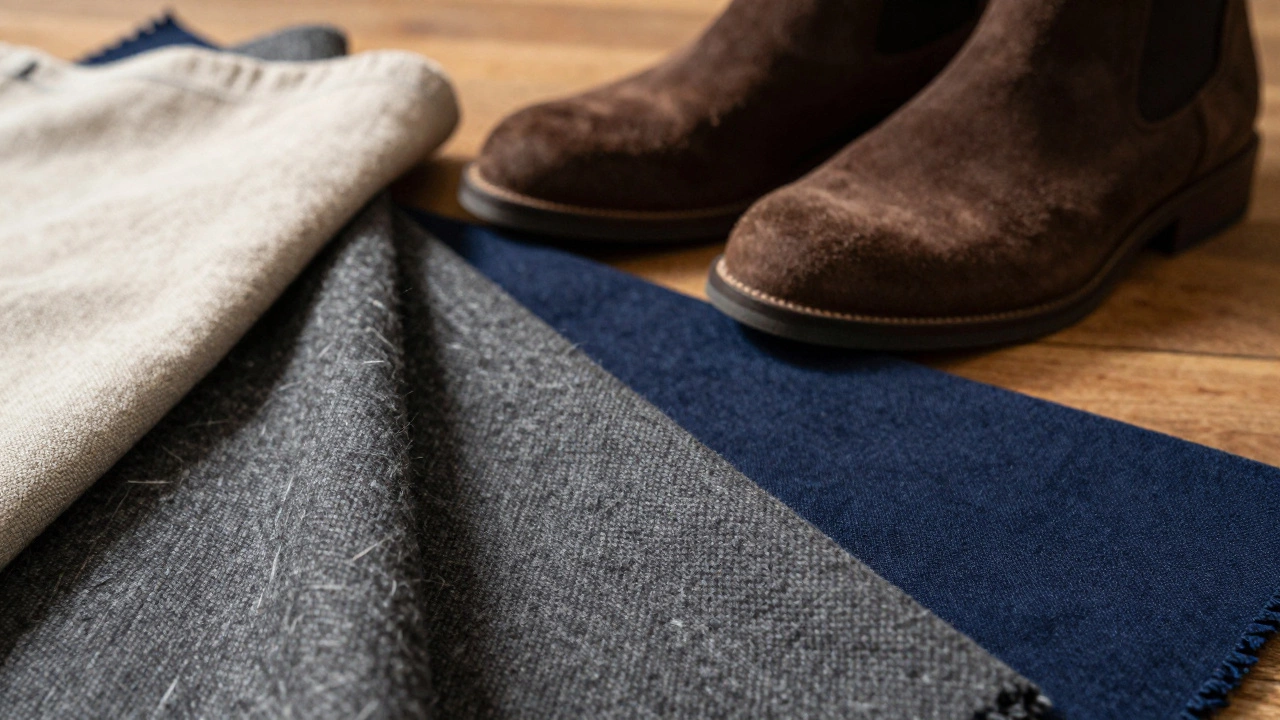
Fabric determines how the clothing drapes and lasts. Natural fibers are non-negotiable for basic style. Cotton breathes and softens over time. Wool regulates temperature and resists wrinkles. Linen offers texture and elegance in summer. Avoid polyester blends unless you’re buying performance activewear. Synthetic fabrics often pill, retain odors, and look shiny under artificial light. Stick to medium-weight cottons for shirts, heavy-weight denim for jeans, and merino wool for sweaters. These materials age beautifully, developing a patina that tells a story.
Color Palette revolves around neutral tones that mix and match effortlessly. Your core palette should include navy, charcoal grey, white, black, beige, and olive green. These colors complement each other naturally. Navy goes with grey. White goes with everything. Beige pairs nicely with navy or olive. By limiting your color choices, you increase your outfit combinations exponentially. Add subtle patterns like pinstripes or herringbone for visual interest, but keep them muted. The goal is cohesion, not contrast.
| Category | Item | Recommended Color/Material | Why It Works |
|---|---|---|---|
| Tops | Plain White T-Shirt | Heavyweight Cotton | Layering staple; looks great alone or under shirts/jackets |
| Tops | Oxford Cloth Shirt | White or Light Blue | Versatile for casual or smart-casual settings |
| Bottoms | Dark Indigo Jeans | Rigid Denim, No Distressing | Slimmer fit elevates the look; pairs with sneakers or boots |
| Outerwear | Navy Blazer | Unstructured Wool/Cotton Blend | Instantly dresses up any outfit; professional yet relaxed |
| Footwear | Leather Sneakers | White or Black | Clean, minimalist alternative to athletic trainers |
| Footwear | Chelsea Boots | Brown Suede or Black Leather | Smart enough for offices, rugged enough for weekends |
Grooming: The Invisible Uniform
You can wear the most expensive suit in the world, but if your grooming is neglected, the effect is ruined. Basic style extends beyond clothing to how you present your face, hair, and skin. This is where many men fall short. They focus on the label on the chest but ignore the details around the collar.
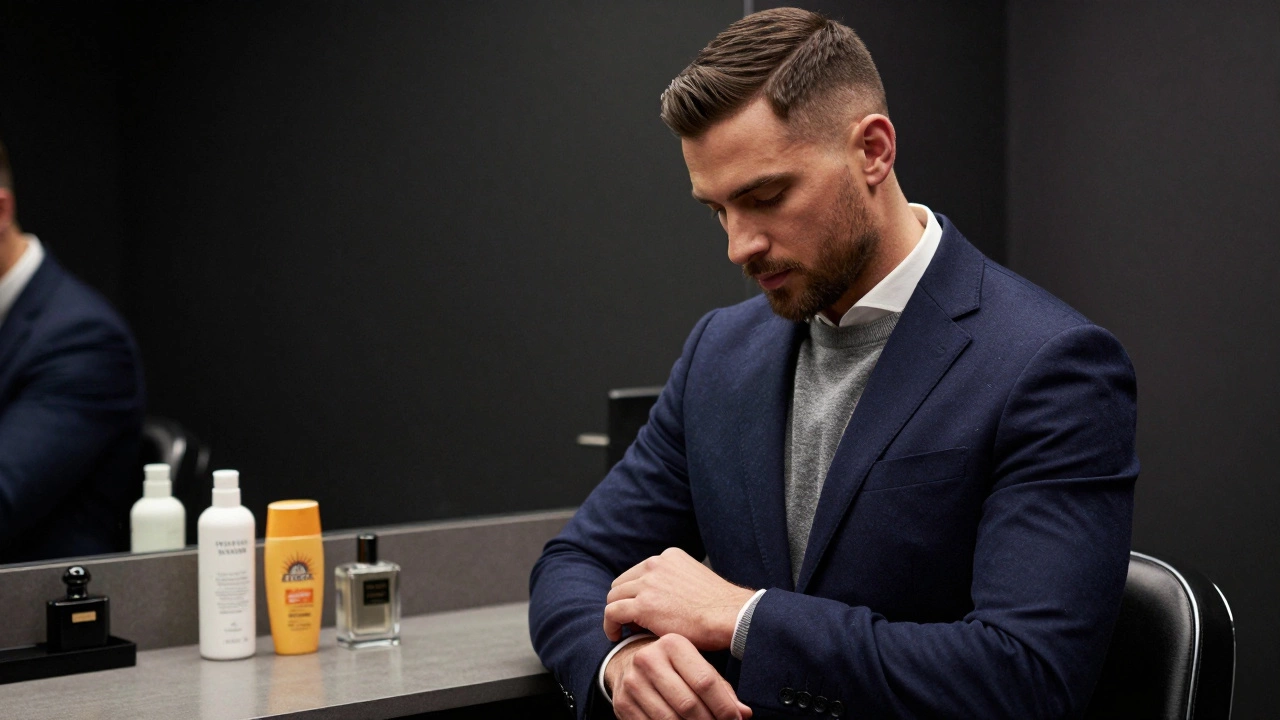
Haircuts should be low-maintenance but sharp. Ask your barber for a classic taper or a textured crop that suits your face shape. Avoid styles that require hours of styling product. Your hair should look good even when you’ve just woken up. Facial hair needs regular trimming. A full beard is fine if it’s neat and lined up. Stubble is acceptable if it’s even. Patchy beards are better shaved clean. Skin care is equally important. A simple routine of cleanser, moisturizer, and sunscreen protects your complexion and prevents premature aging. Clean skin reflects health and discipline.
Nails must be trimmed and clean. Hands are visible during handshakes and gestures. Dirty or long nails signal neglect. Finally, scent. Choose a subtle cologne that doesn’t overwhelm. Apply it sparingly-one or two sprays on the wrists or neck. The goal is to be noticed when someone leans in close, not when they walk into the room.
Avoiding Common Pitfalls
Even with the best intentions, it’s easy to slip into bad habits. One common mistake is confusing "basic" with "cheap." Basic style emphasizes quality over quantity. Buying five poor-quality t-shirts will never look as good as buying one excellent one. Cheap fabrics lose their shape after a few washes, develop holes quickly, and look dull. Invest in fewer pieces that last longer.
Another pitfall is ignoring context. While basic style is versatile, it’s not appropriate for every occasion. A funeral, a wedding, or a formal gala requires specific attire that goes beyond everyday basics. Learn the dress codes for different events. When in doubt, err on the side of being slightly overdressed rather than underdressed. Respect the event and the hosts.
Don’t let comfort become an excuse for sloppiness. Hoodies and sweatpants are comfortable, but they aren’t stylish unless you’re at the gym. Swap them for knit polos, chinos, and loafers. You can be comfortable without looking like you just rolled out of bed. Comfort comes from proper fit and breathable fabrics, not from baggy silhouettes.
Building Your Personal Signature
Once you master the basics, you can start adding personal touches. This is where your individuality shines. Maybe it’s a vintage watch passed down from your grandfather. Or a pocket square with a unique pattern. Perhaps it’s the way you roll your sleeves exactly to the forearm bone. These small details differentiate you from everyone else wearing the same navy blazer.
Accessories should be understated. A leather strap watch, a simple ring, or a quality belt buckle adds refinement without distraction. Avoid loud jewelry or excessive branding. Let your character speak louder than your accessories. Confidence is the ultimate accessory. When you feel good in what you’re wearing, it shows in your posture, your eye contact, and your demeanor.
Remember, style is a journey, not a destination. Keep experimenting within your framework. Try new textures, play with layering, and observe what works for your body type and lifestyle. Stay consistent, stay curious, and always prioritize authenticity. Basic style for men isn’t about following rules blindly. It’s about understanding principles so deeply that you can bend them when necessary, while still looking impeccable.
Is basic style boring?
Not at all. Basic style is about clarity and confidence. It removes distractions so your personality can shine. People find simplicity attractive because it suggests self-assurance and maturity. Boring implies lack of effort; basic style implies mastery of the essentials.
How much should I spend on basic wardrobe items?
It varies by budget, but prioritize spending on items you wear most often: shoes, jackets, and coats. Save on t-shirts and underwear. Look for mid-range brands that offer good value. Quality materials like wool and cotton cost more upfront but save money long-term by lasting years instead of months.
Can I wear basic style if I have a larger build?
Absolutely. Fit is universal. Larger men benefit greatly from tailored clothing that creates structure. Avoid baggy clothes that add bulk. Choose vertical lines and darker colors to streamline your silhouette. Proper tailoring ensures clothes follow your body’s contours without clinging tightly.
What is the difference between basic style and minimalist fashion?
They overlap significantly. Minimalist fashion often focuses on monochrome palettes and abstract shapes. Basic style is more practical, focusing on versatile, everyday items that mix and match easily. Basic style allows for more color variation (navy, grey, beige) whereas strict minimalism might stick to black and white.
How do I maintain my basic wardrobe?
Regular maintenance is key. Wash clothes inside out on gentle cycles. Air dry when possible to preserve elasticity. Iron shirts and trousers to remove wrinkles. Condition leather shoes and belts. Store sweaters folded to prevent stretching. Treat your clothes with respect, and they will serve you well for years.