

Relationship Respect Assessment
Take this 5-question quiz to evaluate how consistently you practice respect in your relationship. Based on the article "What Is Rule Number One in a Relationship?".
Question 1
When disagreeing with your partner, do you pause before responding to consider their perspective?
Question 2
Do you consistently consult your partner on decisions that affect both of you, even small ones?
Question 3
Do you avoid negative body language like eye-rolling or dismissive gestures when your partner is sharing feelings?
Question 4
When speaking to others about your relationship, do you always respect your partner's privacy and dignity?
Question 5
Do you acknowledge your partner's feelings even when you disagree with their perspective?
Your Respect Assessment
Based on your answers to the 5 key questions about daily respect practices
Ask any man who’s been in a long-term relationship what the most important rule is, and you’ll hear a lot of answers. Respect is often named. Patience. Trust. But if you dig deeper - past the soundbites and social media slogans - you’ll find one principle that holds everything else together. It’s not flashy. It doesn’t make for viral quotes. But it’s the bedrock of every relationship that lasts.
The Unspoken Rule
Rule number one isn’t about grand gestures or romantic surprises. It’s not about who remembers anniversaries or who initiates intimacy. It’s this: Never treat your partner as less than your equal. This isn’t about gender roles or outdated ideas of dominance. It’s about presence. It’s about the quiet moments - when you’re tired, distracted, or frustrated - and you still choose to listen instead of interrupt. To pause before reacting. To consider their perspective even when you’re certain you’re right.Think of it like a well-tailored suit. The stitching may be invisible, but without it, the fabric falls apart. Respect is that stitching. It’s what holds together the threads of trust, affection, and shared purpose.
How Respect Shows Up in Everyday Life
Respect doesn’t live in declarations. It lives in the details.- You don’t roll your eyes when they explain something you already know - even if it’s obvious to you.
- You don’t make decisions that affect both of you without consulting them, no matter how small the choice seems.
- You don’t use silence as punishment. You don’t withhold affection to make a point.
- You don’t speak about them to friends in ways you wouldn’t say to their face.
- You don’t dismiss their worries as "overthinking" - even if they’re about things you don’t understand.
These aren’t relationship hacks. They’re basic human decency. And yet, they’re rare enough to be revolutionary.
A friend of mine, a lawyer in his late forties, once told me his marriage survived because his wife never let him win an argument - not because she was stubborn, but because she refused to let him believe he was right when he wasn’t. "She didn’t need to be right," he said. "She needed me to be honest. That’s harder than winning."
The Cost of Skipping Rule One
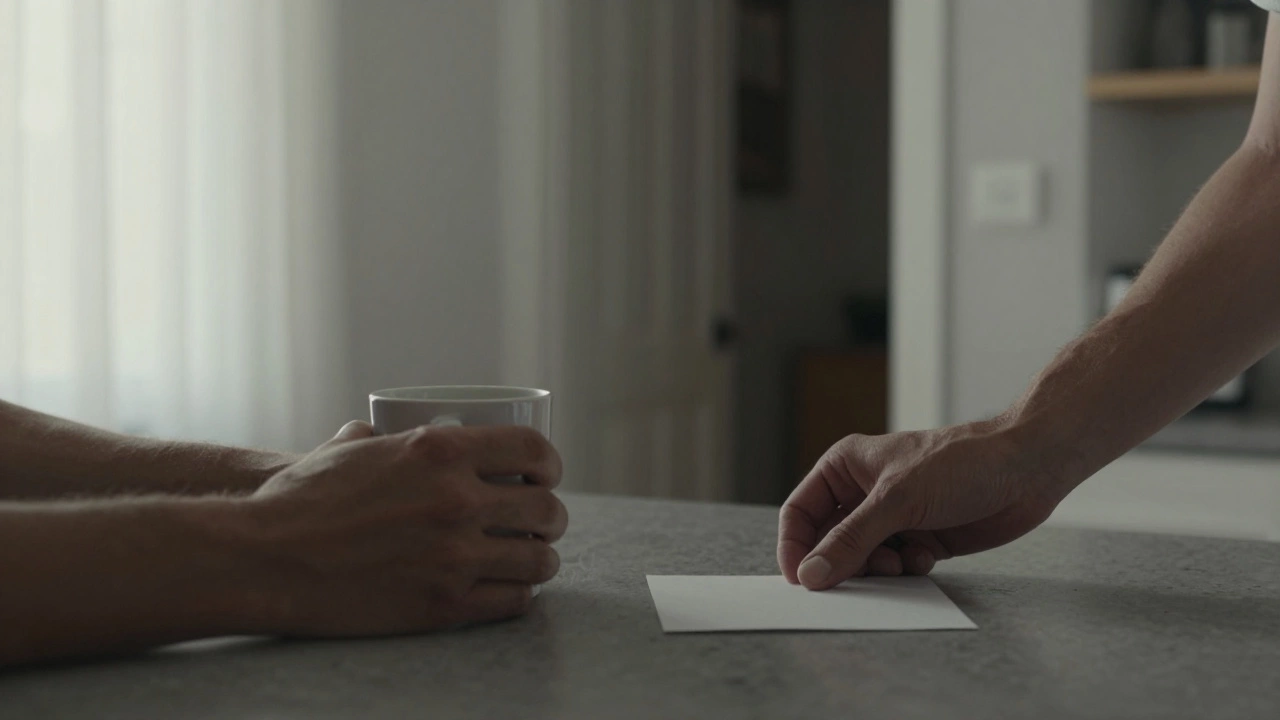
When respect erodes, everything else follows. Trust doesn’t vanish overnight. It leaks out slowly - in the missed calls, the sarcastic remarks, the way a partner stops sharing their thoughts because they know they’ll be minimized.Men often mistake emotional withdrawal for strength. But true strength is staying present when it’s uncomfortable. It’s choosing vulnerability over defensiveness. It’s admitting you were wrong - not to appease, but because you value truth more than pride.
Studies from the Gottman Institute show that the single strongest predictor of divorce isn’t conflict - it’s contempt. Not anger. Not disagreement. Contempt. The subtle, corrosive belief that your partner is beneath you - in intelligence, in taste, in worth.
Contempt doesn’t always shout. Sometimes, it whispers. A sigh. A smirk. A pause before answering. That’s where relationships die - not with fireworks, but with silence.
Building Respect, Not Just Keeping Peace
Respect isn’t passive. It’s active. It requires intention.Start here: Every morning, ask yourself - Did I treat them like an equal yesterday? Not like a partner to be managed. Not like someone to be fixed. Not like a reflection of your own success or failure. But as a person with their own mind, their own history, their own dignity.
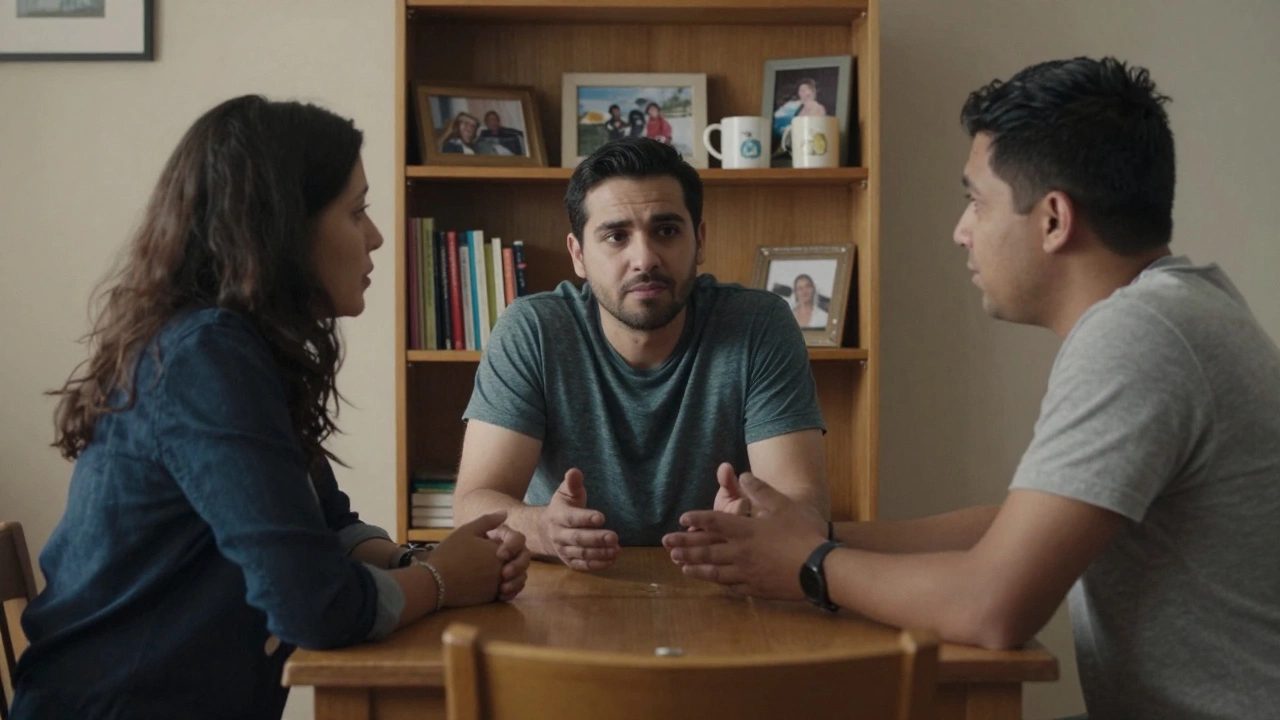
When you’re in a disagreement, pause before speaking. Take a breath. Ask: Is what I’m about to say building this relationship - or just winning the moment?
It’s easy to confuse compromise with surrender. But real compromise isn’t giving up your position. It’s holding your position with clarity - and listening to theirs with curiosity.
What Respect Looks Like in the Modern World
In a culture that rewards performance, speed, and control, respect feels counterintuitive. We’re taught to lead, to solve, to fix. But relationships aren’t projects to optimize. They’re living things - shaped by attention, not efficiency.Think of a quiet evening. No phone. No agenda. Just two people sitting together, reading, or saying nothing at all. That’s not boredom. That’s intimacy. And it only happens when both people feel safe - not because they’re perfect, but because they’re treated as whole.
There’s a reason the most admired men aren’t the loudest. They’re the ones who listen more than they speak. Who don’t need to be right. Who hold space without trying to fill it.
Final Thought: The Gentleman’s Standard
A gentleman doesn’t need to prove his worth. He already knows it. And because of that, he doesn’t need to diminish others to feel secure.Rule number one isn’t about being perfect. It’s about being consistent. It’s about showing up - even when you’re tired. Even when you’re wrong. Even when you don’t feel like it.
Because relationships aren’t built on passion alone. They’re built on the daily choice to see the other person - not as an extension of yourself - but as someone worthy of your full attention, your quiet respect, and your unwavering presence.
That’s not romance. That’s responsibility. And it’s the only thing that lasts.