
Smart Casual Shoe Selector
Select your criteria below to discover which shoe type fits your needs best.
You have the perfect navy blazer. Your trousers are tailored just right. You look sharp, confident, and ready for a dinner date or a relaxed office meeting. Then you glance down at your feet. You’re wearing running sneakers that scream 'gym' or stiff dress shoes that whisper 'funeral.' Instantly, the outfit falls apart. The difference between looking put-together and looking like you tried too hard often comes down to one thing: your footwear.
Smart casual is the most misunderstood dress code in modern menswear. It sits in that tricky middle ground between formal business attire and weekend loungewear. Getting it wrong makes you look sloppy; getting it right makes you look effortless. At The Gentlemen, we believe style is not about following rules blindly, but understanding the context. So, what shoes actually work for smart casual?
The Core Principles of Smart Casual Footwear
Before picking up a pair of shoes, you need to understand what "smart casual" actually demands from your feet. It is not a license to wear anything. It is a request for balance. Your shoes should be polished enough to show respect for the occasion but relaxed enough to suggest you do not take yourself too seriously.
Think of your outfit as a conversation. Formal shoes are a lecture; trainers are a shout. Smart casual shoes are a calm, engaging dialogue. They should bridge the gap between your trousers and the ground without drawing excessive attention to themselves. The key attributes here are simplicity, quality materials, and versatility. Avoid loud logos, neon accents, or overly technical mesh fabrics. Stick to leather, suede, or high-quality canvas. These materials age well and signal maturity.
The Best Shoe Types for Smart Casual
Not all shoes are created equal when it comes to this specific dress code. Some styles fit perfectly, while others clash with the intended vibe. Here are the top contenders that every man should consider adding to his rotation.
Chukka Boots
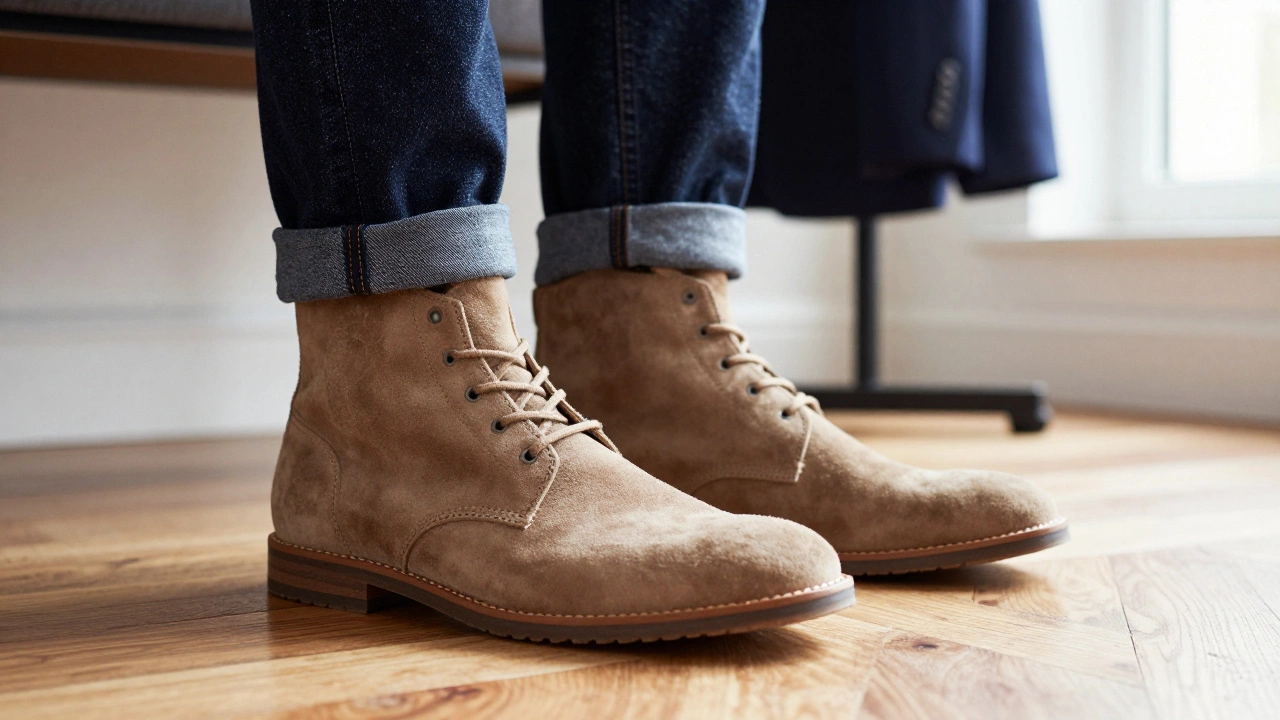
If there is a king of smart casual footwear, it is the Chukka boot is a three-eyelet ankle-high boot originally designed for desert terrain. Originating in the Middle East and popularized by British aristocracy in the mid-20th century, the chukka is the ultimate hybrid. It has the structure of a boot but the lightness of a shoe.
Why do they work so well? Because they sit comfortably under cuffed jeans or chinos without bunching up. A pair of suede chukkas in tan or grey adds texture to an outfit without being heavy. Leather chukkas in dark brown offer a slightly more refined look suitable for creative offices or evening drinks. When shopping, look for a crepe sole for a retro, relaxed feel, or a leather sole for a sharper, more traditional aesthetic.
Loafers
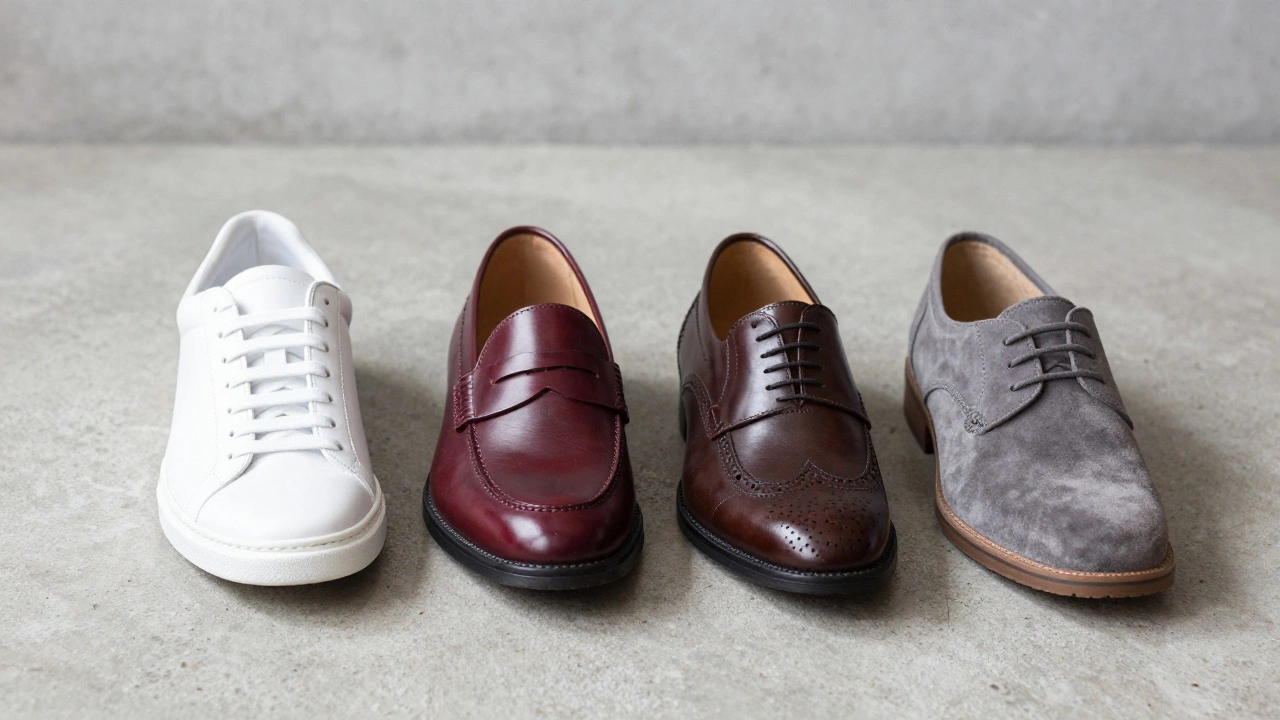
Loafers are slip-on shoes characterized by their low heel and lack of laces. Specifically, penny loafers or bit loafers are staples for warmer months or indoor settings. They exude a sense of ease that laced shoes simply cannot match. Wearing loafers signals confidence-you do not need to tie your shoes to feel secure.
The trick with loafers is the fit. They must hug your foot snugly. If your heel slips out when you walk, the illusion of elegance breaks immediately. Pair them with no-show socks to keep the line clean. For a summer wedding or a garden party, opt for suede in lighter colors like beige or pale blue. For a city break or a business-casual Friday, dark brown or burgundy leather loafers provide a sophisticated edge. Remember, loafers are not meant for heavy rain or muddy parks; they are best suited for dry, urban environments.
Clean Minimalist Sneakers
Yes, you can wear sneakers. But not just any sneakers. The era of wearing worn-out gym runners with a blazer is over. To pull off sneakers in a smart casual setting, you need minimalism. Think white leather sneakers with no visible branding, simple stitching, and a clean silhouette. Brands like Common Projects or Axel Arigat have set the standard here, but many affordable alternatives exist.
These shoes work because they are neutral. They do not compete with the rest of your outfit. However, cleanliness is non-negotiable. Scuffed, dirty sneakers destroy the smart aspect of smart casual. Keep them pristine. Use them with slim-fit chinos or dark denim. Avoid baggy cargo pants, as the combination looks disjointed rather than intentional.
Derby Shoes
When you need to lean slightly more towards the "smart" side of the spectrum, reach for a Derby shoe is a type of closed-lace shoe with open lacing system where quarters are stitched on top of the vamp. Unlike Oxford shoes, which are strictly formal, Derbies have an open lacing system that gives them a more relaxed character. This structural difference allows them to pair beautifully with casual trousers.
A brogue Derby (with decorative perforations) in dark brown or oxblood is incredibly versatile. The detailing distracts from the formality, making it acceptable to wear with jeans or corduroys. Suede Derbies are even more forgiving and add a lovely tactile element to your ensemble. They are ideal for autumn and winter when you want to look polished but comfortable.
| Shoe Type | Best Season | Formality Level | Ideal Pairing |
|---|---|---|---|
| Chukka Boots | All Year | Moderate | Chinos, Dark Jeans |
| Loafers | Spring/Summer | Low-Moderate | Tailored Trousers, Linen Pants |
| Minimalist Sneakers | All Year | Low | Dark Denim, Slim Chinos |
| Derby Shoes | Autumn/Winter | Moderate-High | Corduroys, Wool Trousers |
Materials and Colors That Matter
The material of your shoe dictates its texture and how it interacts with light. This matters more than you might think. Smooth calfskin leather reflects light sharply, giving a crisp, formal appearance. Suede absorbs light, creating a softer, matte finish that feels inherently more casual and approachable.
For smart casual, suede is often your best friend. It softens the look of structured shoes like derbies or monk straps. If you live in a rainy city like London, invest in a good suede protector spray. It is a small step that saves your investment. Brown tones are generally safer and more versatile than black. Black shoes tend to anchor an outfit heavily, pushing it towards formal territory. Brown, tan, and burgundy allow for color play and visual interest.
Common Mistakes to Avoid
Even with the right shoes, certain styling errors can ruin the effect. First, avoid wearing athletic socks with formal-looking shoes. If your trousers ride up and reveal bright white sports socks, the smart casual illusion shatters instantly. Invest in thin, invisible no-show socks or fine cotton dress socks that match your trousers or shoes.
Second, do not mix heavy boots with lightweight fabrics. Wearing rugged combat boots with slim linen trousers creates a dissonance in weight and proportion. Keep the heaviness balanced. Heavy trousers need substantial shoes; light trousers need delicate shoes.
Third, ignore the condition of your shoes. A scuffed loafer or a dirty sneaker suggests neglect. Take five minutes to wipe them down before leaving the house. A clean shoe always looks more expensive than a dirty new one.
Building a Versatile Footwear Rotation
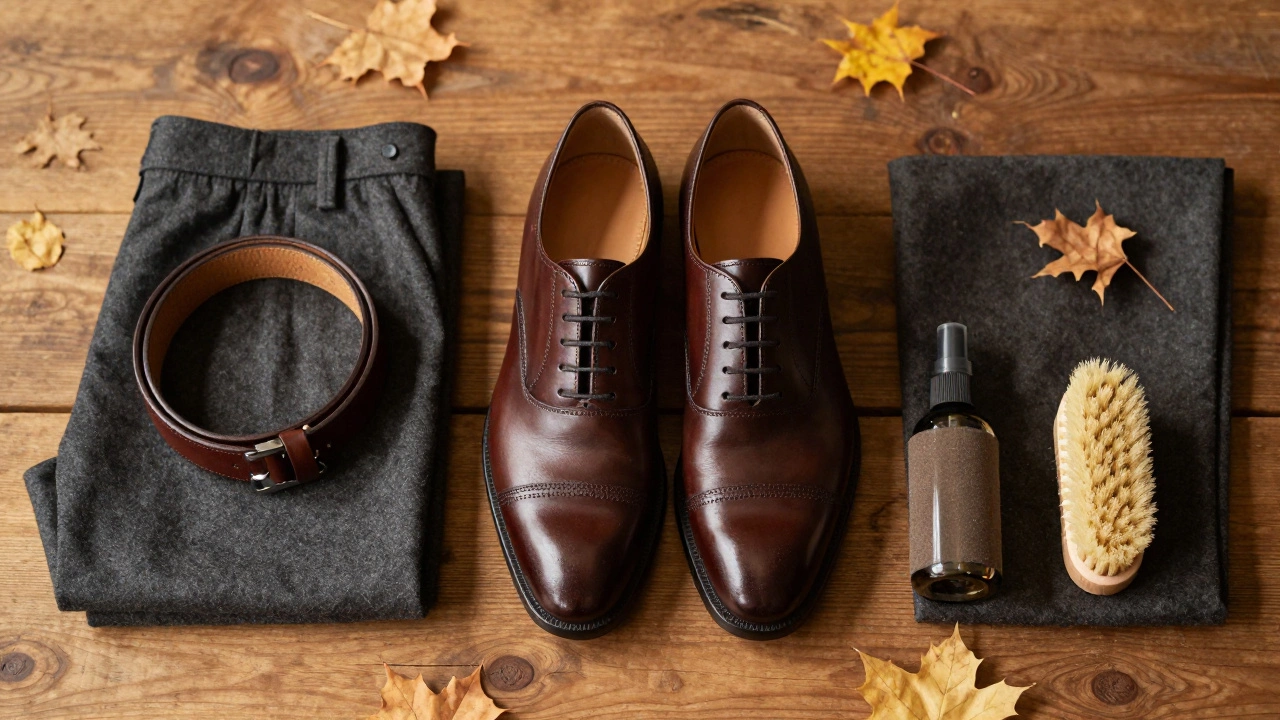
You do not need twenty pairs of shoes to master smart casual. You need three. Start with a pair of tan suede chukkas for everyday versatility. Add a pair of dark brown leather derbies for cooler weather and slightly smarter occasions. Finally, get a pair of white minimalist sneakers for weekends and casual Fridays. This trio covers 95% of smart casual scenarios you will encounter.
As you build your wardrobe, consider the context of your life. Do you spend more time in air-conditioned offices or walking around the city? Are you attending more outdoor events or indoor dinners? Let your lifestyle dictate your choices, not trends. True style is sustainable and personal.
Frequently Asked Questions
Can I wear sandals for smart casual?
Generally, no. Most sandals are too casual and expose too much foot, which clashes with the polished nature of smart casual. Exceptions include high-quality leather slide sandals in very warm climates, paired with tailored shorts, but this is risky for most professional or semi-formal settings.
Are Chelsea boots appropriate for smart casual?
Yes, absolutely. Chelsea boots are sleek and elegant. Opt for suede or smooth leather in dark colors. Avoid thick, rugged soles if you want to maintain a refined look. They pair exceptionally well with slim-fit jeans and chinos.
Should my belt match my shoes exactly?
It is a classic rule, but for smart casual, you have some flexibility. While matching is always safe, similar tones work well too. For example, a brown leather belt can pair with tan suede shoes. Just ensure the materials and general color family are harmonious. Avoid clashing textures, like a shiny patent belt with matte suede shoes.
What is the difference between a Derby and an Oxford shoe?
The main difference is the lacing system. Oxfords have closed lacing, where the eyelet tabs are stitched under the vamp, creating a sleeker, more formal look. Derbies have open lacing, where the tabs are stitched on top, allowing for more adjustability and a more relaxed appearance. For smart casual, Derbies are usually the better choice.
How do I care for suede shoes?
Use a suede brush to remove dirt and restore the nap regularly. Apply a waterproofing spray before wearing them in wet conditions. If stains occur, use a specialized suede eraser. Never use water or harsh chemicals directly on suede, as this can cause permanent staining and damage.