
👔 Ageless Style Outfit Builder
Select your preferences and click "Generate Outfit" to see a curated look that balances comfort with authority.
At sixty, the goal of dressing well isn't to look twenty-five. It is to look like the best version of yourself at sixty. Many men hit this milestone and feel their style has stalled, often defaulting to comfortable but shapeless clothing that hides rather than highlights their physique. The truth is simple: age brings authority, and your wardrobe should reflect that. You no longer need to chase trends; you can curate them.
This guide focuses on building a wardrobe that balances comfort with structure. We will move away from rigid rules and toward practical principles that work for real life, whether you are attending a board meeting, a family dinner, or simply running errands in London. The aim is not to be the youngest man in the room, but to be the most composed.
Key Takeaways
- Fabric quality matters more than brand labels. Natural fibers like wool, cotton, and linen breathe better and drape more elegantly as skin changes.
- Fit is non-negotiable. Clothes that hang loosely make you look larger and older; clothes that are tailored to your current body flatter you.
- Simplify your color palette. Stick to neutrals and deep tones that complement mature complexions without washing you out.
- Grooming is part of the outfit. A clean haircut and well-maintained beard or stubble complete the look.
- Comfort drives confidence. If you have to adjust your clothes constantly, they aren't working.
The Foundation: Fit and Silhouette
The single biggest mistake men make after fifty is buying clothes based on the size they wore in their thirties. Your body has likely changed. Shoulder width may have increased slightly, while waistline measurements might have shifted. Tailoring is the process of altering garments to fit an individual's specific body measurements. It is the secret weapon for looking sharp without spending a fortune on custom suits.
When shopping for trousers, ensure the break-the point where the fabric touches your shoe-is minimal. No bunching of fabric at the ankle. For shirts, the collar should sit comfortably against your neck without choking you, and the sleeves should end at the wrist bone when your arms are relaxed. If a shirt feels tight across the chest or back, it is too small. If it billows like a sail, it is too big. Aim for a silhouette that follows your natural lines without clinging.
Consider the concept of "structured ease." This means choosing fabrics with some weight and body, such as mid-weight cotton or wool blends, rather than thin synthetics that stick to the skin. Structured fabrics hold their shape, creating a cleaner line that visually slims the frame.
Building the Wardrobe: Essential Pieces
You do not need a closet full of items. You need a rotation of high-quality pieces that mix and match effortlessly. Here is what constitutes a modern, mature wardrobe:
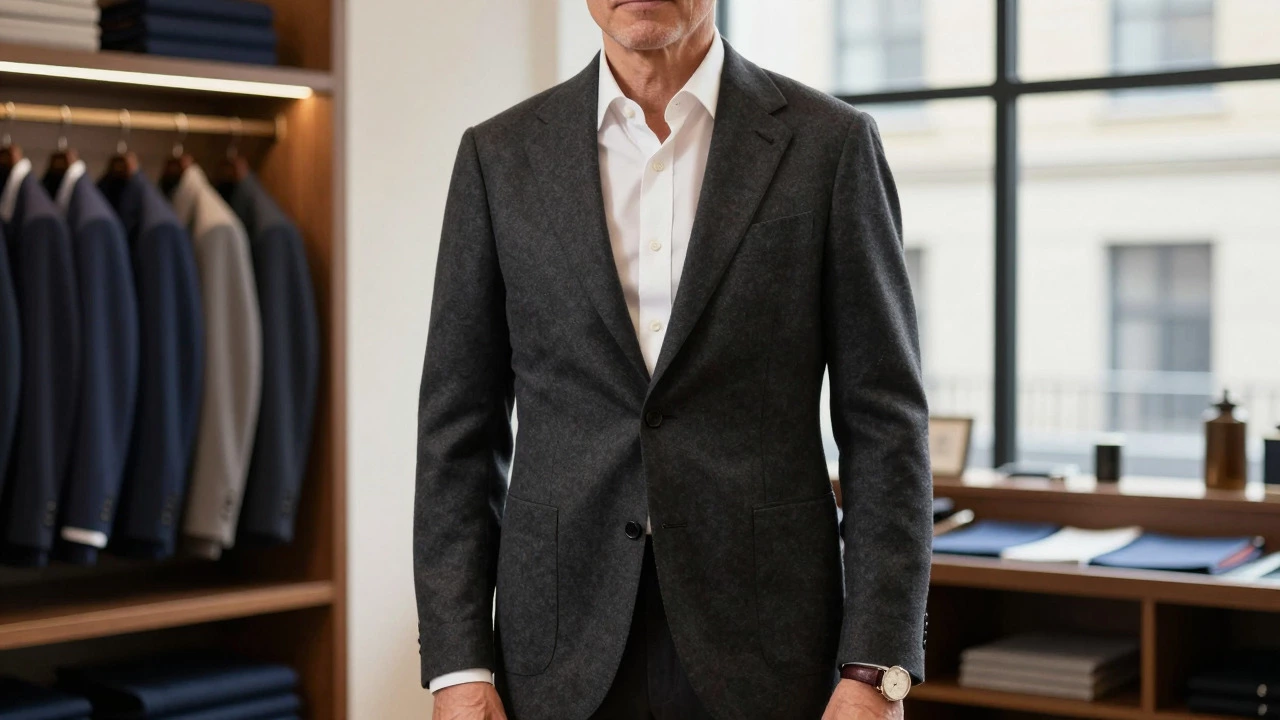
- The Blazer: A navy or charcoal blazer is the anchor of any casual or smart-casual outfit. It instantly elevates a pair of chinos and a t-shirt into something respectable. Look for unstructured shoulders for a more relaxed, contemporary feel.
- Dress Trousers: Invest in two pairs of wool-blend trousers in dark grey and navy. They are versatile enough for work and formal dinners. Avoid pleats unless you prefer a vintage aesthetic; flat-front trousers look cleaner and more modern.
- Chinos: Khaki, olive, or stone-colored chinos bridge the gap between formal and casual. Choose a slim-straight cut that doesn't taper aggressively at the ankle.
- Shirts: White and light blue oxford cloth button-downs are staples. Add a few solid colors like burgundy, forest green, or mustard for variety. Ensure the placket (the strip with buttons) is sturdy and lies flat.
- Knitwear: Merino wool sweaters in crew neck and V-neck styles are essential for layering. They provide warmth without bulk. Cashmere is a luxurious upgrade that drapes beautifully over a suit jacket.
- Footwear: Brown leather dress shoes (Oxfords or Derbies) and white leather sneakers. Keep them polished. Scuffed shoes undermine an otherwise perfect outfit.
Color Palette: What Works at 60?
Your skin tone may have changed, becoming fairer or developing more redness. Bright, neon colors can clash with this, making you look washed out. Instead, lean into a palette that complements maturity.
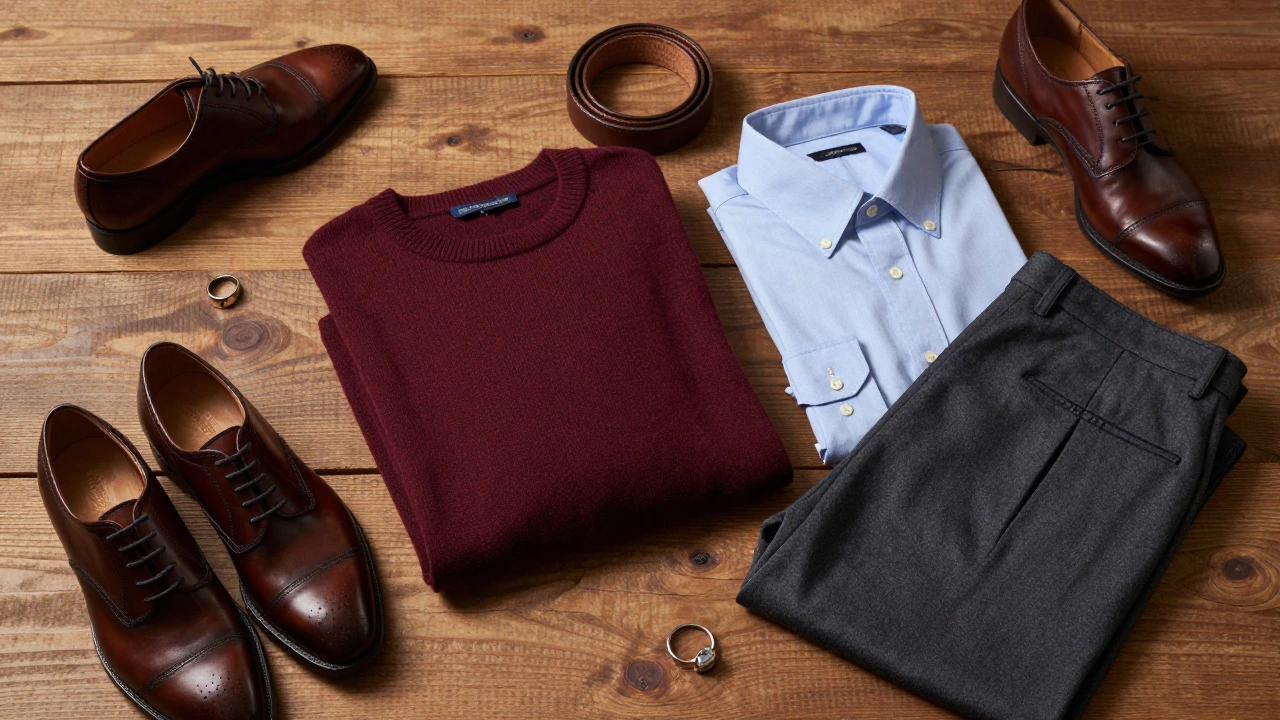
Dark neutrals-charcoal, black, navy, and brown-are your best friends. They are forgiving, sophisticated, and easy to combine. When adding color, choose deeper, richer tones. A deep burgundy sweater looks far more distinguished than a bright orange one. Similarly, a forest green jacket adds personality without being loud. Earth tones like olive, tan, and rust also work well, especially in spring and summer.
Avoid large, busy patterns if you are not accustomed to them. Small checks, subtle stripes, or solid blocks of color are safer bets. If you do wear a patterned shirt, keep the rest of the outfit solid to maintain balance.
Footwear and Accessories: The Finishing Touches
Often, people focus entirely on the suit or the shirt and forget the details. However, accessories define the overall impression. Leather belts are accessories used to secure trousers and add visual interest to an outfit. Match your belt to your shoes. If you are wearing brown shoes, wear a brown belt. If you are wearing black shoes, wear a black belt. This simple rule shows attention to detail.
Watches are another key accessory. A classic analog watch with a leather strap or a simple metal bracelet adds a touch of professionalism. Avoid oversized digital watches unless you are actively training. For jewelry, keep it minimal. A simple signet ring or a discreet chain is enough. Too many accessories distract from the person, not enhance them.
Hats can be tricky. A fedora or trilby can look great if worn correctly, but it requires confidence. If you are not already a hat wearer, skip it. Let your hair and facial hair speak for themselves.
Grooming: Completing the Look
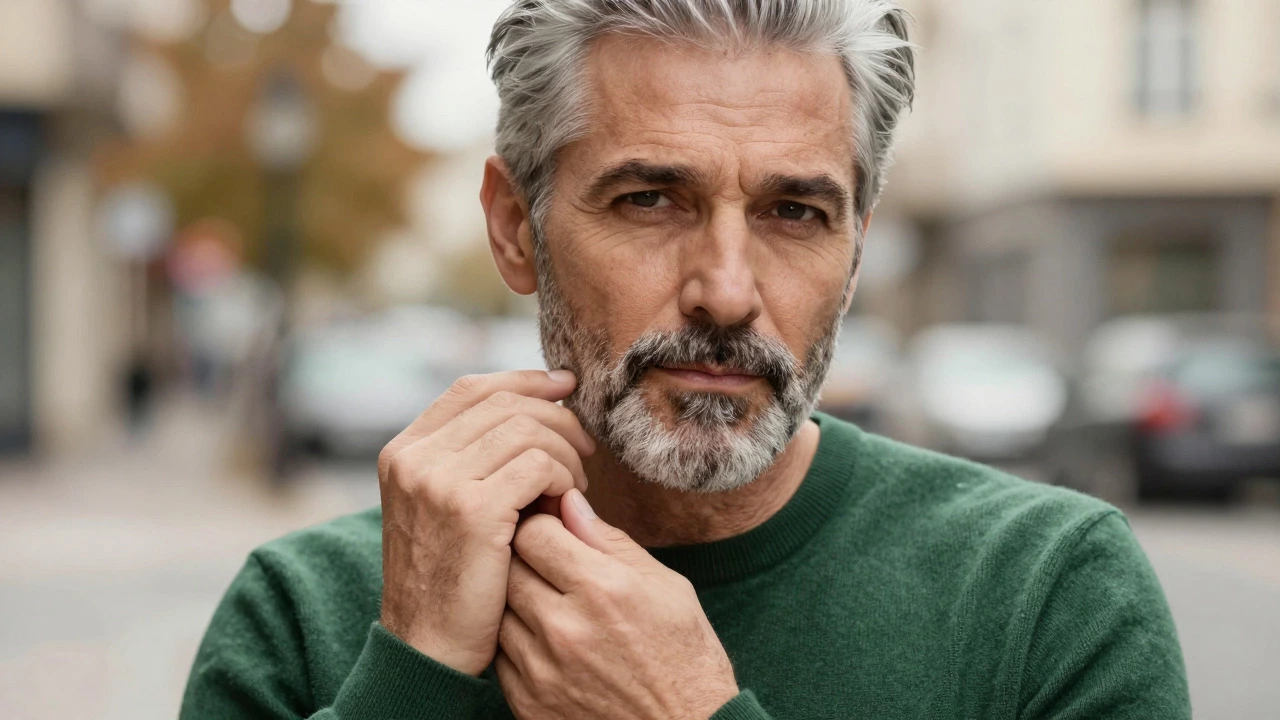
Clothes only go so far. Grooming is the final layer of your presentation. At sixty, maintaining a neat appearance is crucial. Regular haircuts every four to six weeks keep your hair looking intentional rather than neglected. If you are going grey, embrace it. Dyeing your hair black can sometimes look unnatural and dated. Silver hair, when kept short and styled, looks powerful and distinguished.
Facial hair is another area where many men struggle. A well-trimmed beard or neatly shaped mustache can soften facial features and add character. If you prefer to be clean-shaven, ensure your skin is moisturized and exfoliated. Dry, rough skin can make you look tired. Use a good moisturizer daily, regardless of age.
Don't forget your hands. Clean nails and soft hands signal care. Trim your nails regularly and use hand cream. These small details are often noticed by others, even if you don't think about them.
Common Mistakes to Avoid
Even with the best intentions, it is easy to fall into traps. Here are a few common errors to watch out for:
- Trying to look young: Wearing skinny jeans, graphic tees with band logos, or overly trendy items can create a dissonance. Dress for who you are now, not who you were.
- Ignoring maintenance: Wrinkled shirts, scuffed shoes, and faded fabrics scream neglect. Iron your clothes, polish your shoes, and replace items when they show significant wear.
- Over-layering: Too many layers can make you look bulky. Stick to one base layer, one mid-layer, and one outer layer maximum.
- Bad fit: As mentioned, this is the number one issue. If you haven't had your clothes tailored in years, start today.
Seasonal Adjustments
Style changes with the weather. In winter, focus on warmth and texture. Wool coats, cashmere scarves, and leather gloves are functional and stylish. Layering is key here, so invest in quality thermal underwear that fits well under your clothes.
In summer, breathability is paramount. Linen shirts, lightweight cotton chinos, and open-toe sandals (if appropriate for the setting) help you stay cool. Lighter colors like white, beige, and pastel blues reflect heat and look fresh. Keep your footwear light and clean.
Spring and autumn are the transition seasons. Blazers, light jackets, and long-sleeve shirts come into play. These seasons allow for the most creative styling because you can mix heavier and lighter fabrics.
Frequently Asked Questions
Should a 60-year-old man wear a tie?
It depends on the occasion. For formal events or conservative workplaces, a tie is still expected. However, for smart-casual settings, a well-fitted blazer and shirt without a tie is perfectly acceptable and often preferred for its relaxed elegance. If you do wear a tie, choose silk or knit ties in muted colors that complement your shirt.
Are skinny jeans appropriate for men over 60?
Generally, no. Skinny jeans can accentuate age-related changes in leg shape and appear uncomfortable. Opt for slim-straight or straight-leg jeans instead. They offer a modern look without clinging to the body. Dark wash denim is always a safer choice than light or distressed styles.
How important is tailoring for older men?
Extremely important. As bodies change, off-the-rack clothes rarely fit perfectly. Tailoring adjusts the length, waist, and shoulders to create a custom-like fit. Even inexpensive clothes look expensive when tailored properly. Visit a local tailor once a year to refresh your wardrobe.
What colors should I avoid?
Avoid neon colors, very bright pastels, and harsh contrasts that clash with your skin tone. Also, be cautious with all-black outfits, which can look severe. Stick to deep, rich tones and neutral bases. If you love bright colors, incorporate them through accessories like a pocket square or scarf rather than main garments.
Can I wear sneakers with a suit?
Yes, but with caution. Minimalist white leather sneakers can work with a casual suit (like a cotton or linen blend) in informal settings. Avoid chunky athletic trainers. The key is cleanliness and simplicity. For formal events, stick to traditional leather dress shoes.