
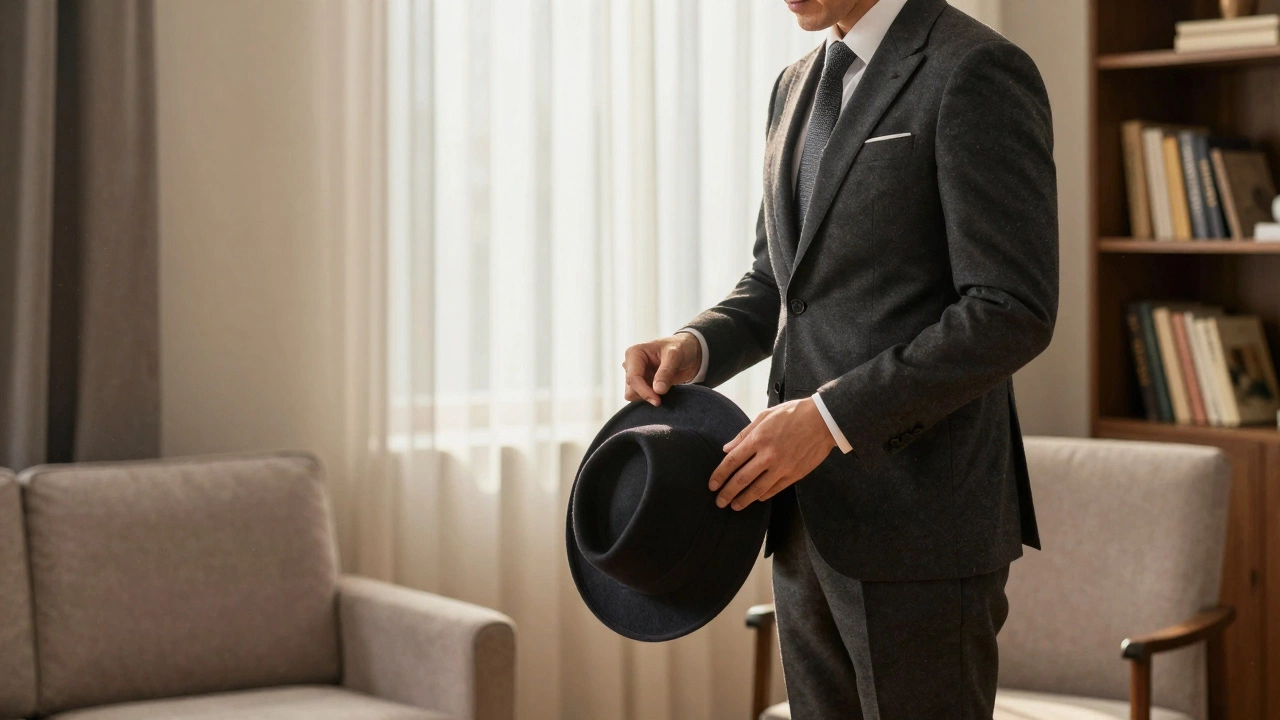
Hat Etiquette Decision Tool
This tool helps you determine whether removing your hat indoors is appropriate based on modern etiquette principles. Simply answer the questions below to receive personalized guidance.
Where are you?
What are you doing?
Result
There’s a quiet moment in every gentleman’s day when he walks through a door and pauses - just for a second - before removing his hat. It’s not about obedience. It’s about respect. Not the kind that’s enforced by rules, but the kind that comes from understanding how small gestures carry weight.
Why This Matters More Than You Think
Removing your hat indoors isn’t about following outdated customs. It’s about signaling awareness. In a world where so much of communication is digital, impersonal, or performative, physical presence matters more than ever. A hat, when worn indoors without reason, can feel like a barrier - a refusal to fully enter the space, to engage, to be present.
Think of it this way: when you enter a room where someone is grieving, eating, or simply resting, you don’t shout. You lower your voice. You adjust your posture. Removing your hat is the same kind of adjustment - a subtle, dignified way of saying, ‘I see you, and I’m here with you.’
The Classic Rule - And When It Still Holds
The traditional rule is simple: remove your hat indoors, except in certain places. This comes from centuries of European and American social codes, refined through generations of men who understood that manners are not about restriction - they’re about harmony.
Here are the places where removing your hat remains expected:
- Inside someone’s home - whether it’s a friend’s apartment, a relative’s house, or a formal dinner party. Even if the host isn’t wearing a hat, you are.
- During meals - no exceptions. A hat over your head while eating is a distraction, and it signals a lack of attention to the moment.
- In places of worship - churches, synagogues, mosques, temples. This isn’t about religion; it’s about reverence. A hat on your head in such spaces feels like an intrusion.
- Inside elevators - small spaces demand small courtesies. A hat in an elevator can feel like an accidental bump, a physical intrusion into personal space.
- During formal introductions - whether it’s meeting your future in-laws or a senior colleague, remove your hat as a sign of sincerity.
These aren’t arbitrary rules. They’re rituals of attention. They say: I’m not just passing through. I’m here, and I’m present.
When You Can Keep It On
There are exceptions - and they’re not loopholes. They’re context.
- At work - if you’re in a modern office, especially one with a casual or creative culture, a well-fitted cap or newsboy hat is rarely an issue. But if you’re meeting a client, walking into a boardroom, or attending a formal presentation, take it off.
- In transit - train stations, airports, lobbies - these are transitional spaces. You’re not yet in the private domain. A hat here is practical, not rude.
- For medical reasons - if you’re undergoing treatment, recovering from surgery, or managing a condition that requires head coverage, no one expects you to remove it. This isn’t etiquette - it’s humanity.
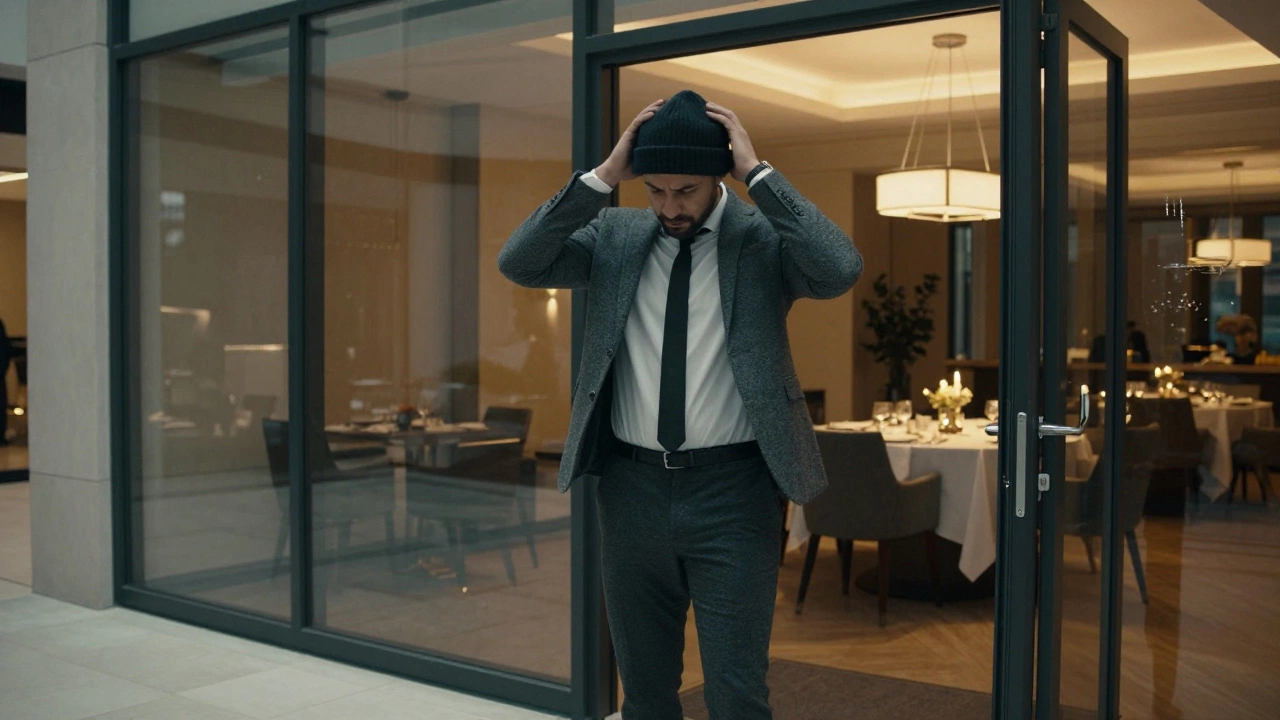
- Outdoors under cover - if you’re in a covered courtyard, a glass atrium, or a large open-air pavilion, you’re still outside. Keep it on.
Notice the pattern? It’s not about the hat. It’s about the space. Is it private? Intimate? Formal? Then remove it. Is it functional? Temporary? Public? Then it’s fine to keep it.
The Modern Gentleman’s Approach
The best men don’t follow rules because they’re written. They follow them because they understand the intention behind them.
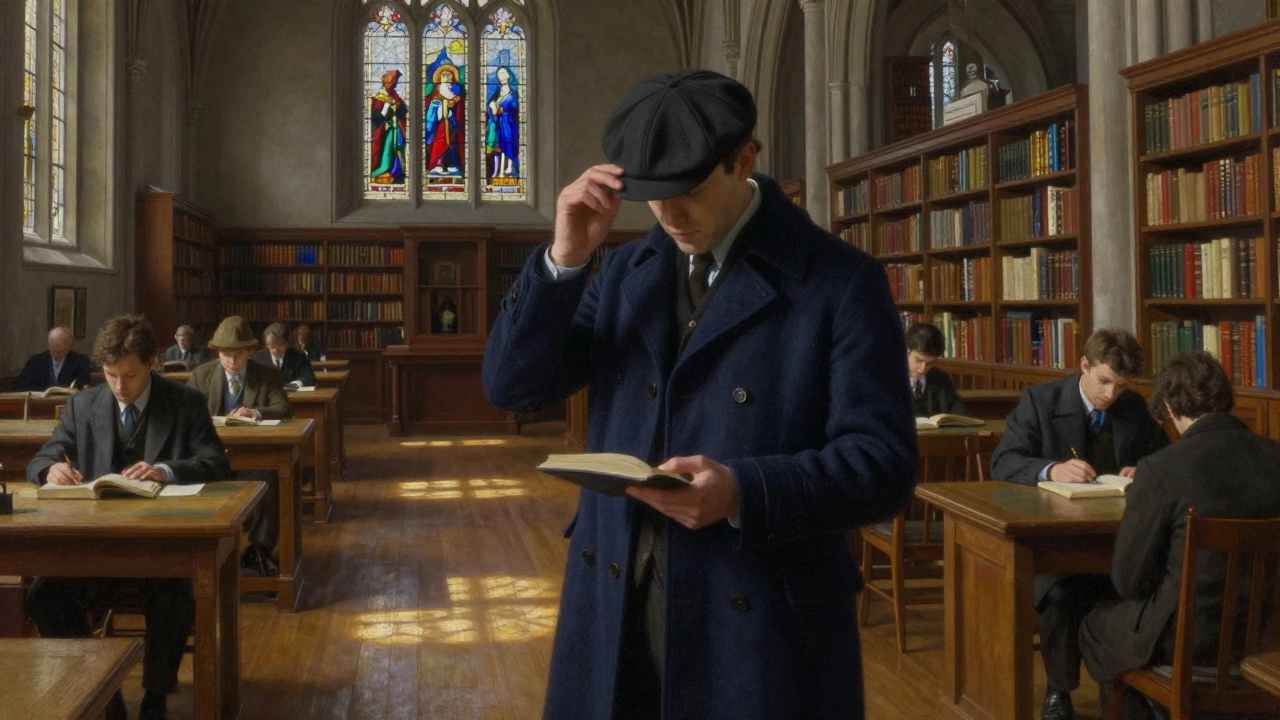
Imagine walking into a quiet library. The air is still. The light is soft. You hear pages turning. You don’t speak loudly. You don’t drag your feet. You don’t wear a baseball cap tilted backward. You adjust. You soften.
That’s what removing your hat is: an adjustment. Not a surrender. Not a performance. A quiet alignment with the mood of the room.
Today, many men wear hats as part of their style - a newsboy cap, a felt fedora, a wool beanie. That’s fine. But style without awareness becomes noise. A hat can elevate your look, but it can also isolate you - if you never take it off when the moment calls for it.
What Happens If You Don’t?
Most people won’t say anything. That’s the point. The quietest judgments are the most lasting.
You might not get called out. But you’ll feel it - the slight hesitation in a handshake, the way someone glances at your head before looking away, the unspoken distance that grows between you and the room.
It’s not about being perfect. It’s about being considerate. And consideration isn’t loud. It doesn’t need applause. It just needs to be there.
How to Do It Gracefully
There’s a way to remove your hat that says everything without saying a word.
- Use both hands. One to hold the brim, the other to steady the crown. It’s not about strength - it’s about care.
- Hold it at waist level, slightly angled. Don’t sling it over your arm or shove it into your pocket. That’s careless.
- Make eye contact as you remove it. Not to stare - just to acknowledge. A small nod is enough.
- Place it on a surface, not on a chair. A side table, a console, a coat rack. Never on a seat meant for someone else.
It’s not about the hat. It’s about the gesture.
The Bigger Picture
Etiquette isn’t about being polished. It’s about being present. In a world where so much of life is rushed, distracted, and fragmented, the small rituals - removing your hat, holding a door, listening without interrupting - are acts of resistance.
They say: I am here. I see you. I value this moment.
That’s what makes a gentleman - not the suit, not the watch, not the haircut. It’s the quiet consistency of thoughtfulness. The willingness to adjust, even when no one’s watching.
So next time you walk inside - pause. Feel the air. Listen. Then, with calm intention, remove your hat.